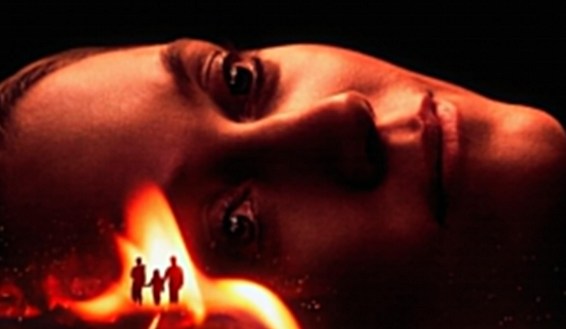
The Hand That Rocks The Cradle (2025) Ending Explained: Who Is Polly?
Movie Details: Director: Michelle Garza Cervera | Runtime: 1h 44m | Release Date: 2025 | Star Rating: 3/5 Stars
Welcome to Knockout Horror. Today we are unpacking the ending to the 2025 remake of The Hand That Rocks The Cradle. This film swaps the campy thrills of the 90s original for a darker look at trauma and addiction. If you haven’t seen it yet, read our spoiler-free review first.
⚠️ Warning: Major spoilers follow below.
The Ending in Brief
The TL;DR: Polly is actually Rebecca, a woman seeking revenge because Caitlin (originally named Jennifer) burned down her family home decades ago to escape her abuses – Polly’s father. Every member of Polly’s family died in that fire. Polly spent her life in abusive foster families and hatched a plan to take revenge on the person she believed caused it – Caitlin. Polly systematically destroys Caitlin’s life by gaining her trust and moving in with her. Before manipulating her children and husband, then swapping Caitlin’s depression medication for Methamphetamine to make her appear unfit to be a parent. Caitlin eventually kills Polly in a car crash, but the final scene implies that Polly’s influence has permanently corrupted Caitlin’s daughter, Emma.
Why was Caitlin acting crazy? She wasn’t naturally unstable. Polly had secretly replaced Caitlin’s anti-depressants with Methamphetamine, keeping her in a state of drug-induced psychosis.
Who is Polly really? She is Rebecca, the young girl seen in the opening flashback. She survived the fire that Caitlin set, which killed her entire family.
The Resolution: Caitlin kills Polly by reversing her car into another vehicle, flinging Polly (who was attacking the windshield) onto the pavement. However, the trauma lingers in Caitlin’s children as Emma begins to mimic Polly’s behavior.
Good to Know: Unlike the original film where the villain’s motive is a miscarriage caused by the protagonist, this version roots the conflict in shared childhood abuse, making both women victims of the same father figure.
Table of Contents
The Hand That Rocks The Cradle (2025) Ending Explained
Let’s get straight into the explanation here. We’ll explain the ending of the film before elaborating on the core twist and answering some important questions.
What Happens at the End of The Hand That Rocks the Cradle?
Caitlin heads to the house where Polly has now taken on her role of family matriarch. She is even styling her hair exactly the same. Polly lets her in and offers her some water. Caitlin tries to reason with her and apologise for their past history but Polly doesn’t buy into her sincerity. She tells her that she took her family away and, along with that, any chance she had at happiness.
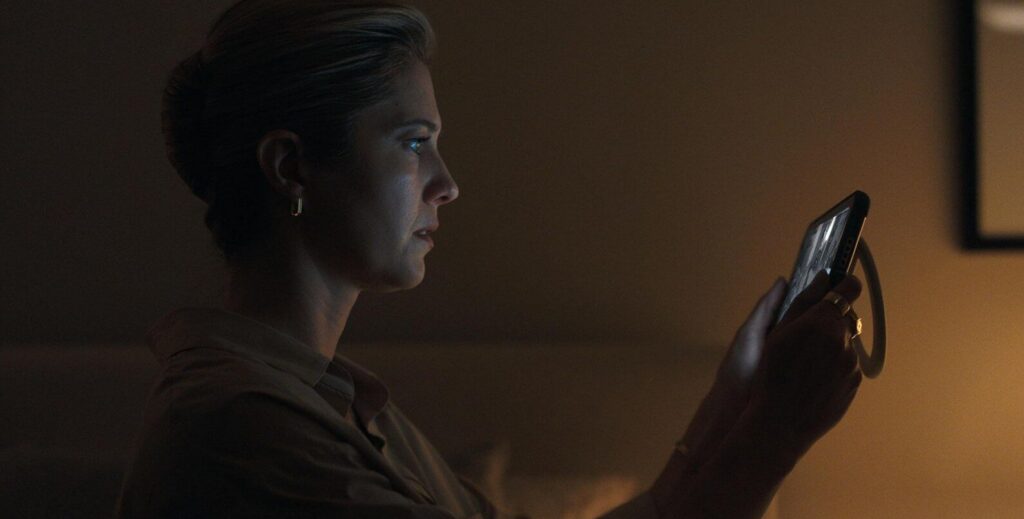
Polly, furious and unwilling to admit that her father abused her too, smashes the baby bottle and stabs Caitlin in the stomach with it. She tells her she intends to steal Caitlin’s life, husband, and kids the way she took hers.
Caitlin fights back, eventually pushing Polly through a window before grabbing Josie. She heads to the car and gets in before Polly jumps on the window and starts attacking the glass. Caitlin slams it into reverse and, thanks to someone seemingly ignoring that stop sign, collides with another car. This cartwheels Polly off, fatally injuring her in pretty graphic fashion.
The Core Twist: Who is Polly really?
The film opens with a flashback of a young girl watching her house burn down. We learn that this girl is our antagonist, Polly Murphy (Maika Monroe). Her entire family died in that fire, leaving her an orphan who grew up in the abusive foster care system.
Polly isn’t a random nanny; she is actually named Rebecca. She has infiltrated the home of Caitlin Morales (Mary Elizabeth Winstead) because Caitlin is actually “Jennifer” – the girl who set that fire decades ago.
Why Did Caitlin Burn Down Polly’s Childhood Home?
Caitlin burned down Polly’s childhood home to escape Polly’s abusive father (who was also abusing Rebecca/Polly), killing Rebecca’s family in the process. Rather than prosecution, Caitlin was allowed to go free as the fire was self defense. She was given a new identity and moved to a different town.


Did You Know? Real-World Justice vs. Movie Logic
Would Caitlin actually get away with it? Highly unlikely. In reality, abuse victims who kill their abusers rarely receive a “clean slate” and a new identity. For example, Sarah Johnson received life without parole for killing her abusive parents in 2003, and even Gypsy Rose Blanchard served prison time despite the extreme abuse she suffered. Caitlin avoiding all punishment for killing an entire family is pure Hollywood fiction.
What was Polly’s Plan?
Polly’s plan was to infiltrate Caitlin’s family, make Caitlin look crazy so that she is either committed to a mental hospital or simply has to leave the house, take her family, and then take over her life.

Polly lives in denial about her father abusing either her or Caitlin. This means she believes Caitlin’s actions were completely unjust and that she ruined her life. She is going to take Caitlin’s life away from her the same way Caitlin took her life away when she burned her house down and killed her family.
Is Polly Gaslighting Caitlin?
Yes, Polly is gaslighting Caitlin. This is one of the few times where that term is actually applicable in a movie plot. In fact, we can break down some of the key ways in which she was gaslighting her.
- She poisons the cooking to make Caitlin feel like she is incapable of even simple tasks.
- She gives the baby formula and when Caitlin reminds her that she told her not to do that, she claims that she never told her in the first place.
- She manipulates Emma so that Emma doesn’t listen to Caitlin.
- She buys fireworks for Emma knowing that she will set them off, again undermining Caitlin’s authority.
- She drugs Caitlin to make her feel like she is losing her mind.
Why was Caitlin losing her mind? (The Meth Twist)
Caitlin is not losing her mind, she is being drugged by Polly using the potent stimulant methamphetamine. Throughout the film, Caitlin becomes increasingly erratic, paranoid, and jittery. Her husband Miguel assumes she is suffering a mental breakdown or a relapse of her PTSD.
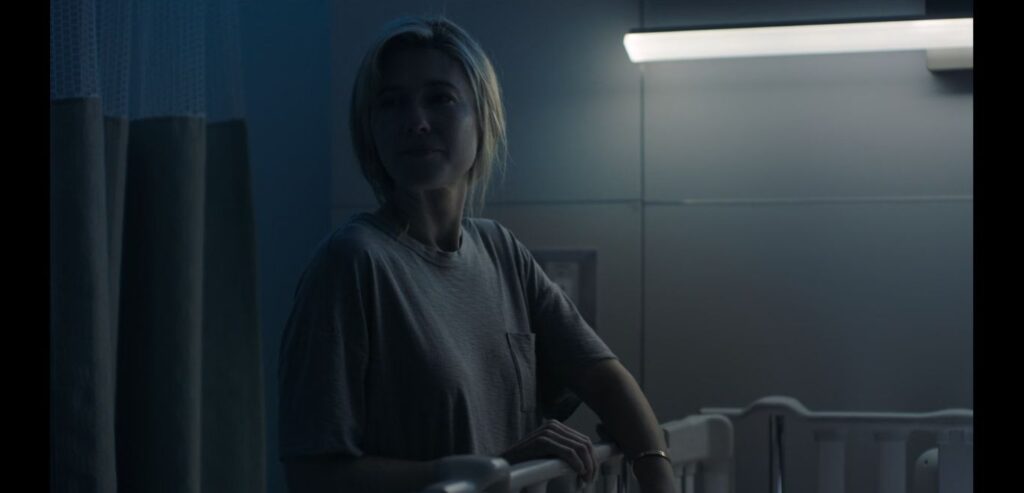
However, the film reveals a much more sinister cause. Caitlin takes Venlafaxine (an SNRI) for depression. Polly has been secretly scratching the identifier codes off the pills and replacing them with Methamphetamine. Caitlin hasn’t been losing her mind; she has been unknowingly high on meth for months. This explains her skin crawling, elevated heart rate, and paranoia… She was suffering from stimulant-induced psychosis manufactured by Polly.
Does Polly die?
Yes. After Caitlin discovers the truth (thanks to a newspaper clipping found by her daughter Emma), she confronts Polly. A violent struggle ensues where Polly stabs Caitlin with a broken baby bottle.
Caitlin manages to escape to her car with the baby, Josie. Polly jumps onto the bonnet (hood) of the car, attacking the windshield. Caitlin slams the car into reverse and collides with another vehicle that was driving too fast, ignoring the stop sign she had campaigned for all film. The impact launches Polly off the car and onto the pavement.
She dies from massive injuries, including a severed arm (the film is surprisingly graphic!).
The Final Scene: Did Polly win?
While Polly is dead, the film ends on a bit of a bleak note. The final scene shows Caitlin’s daughter, Emma, repeating the same stories Polly told her to the baby, Josie. This implies that Polly’s influence has permanently corrupted Emma.
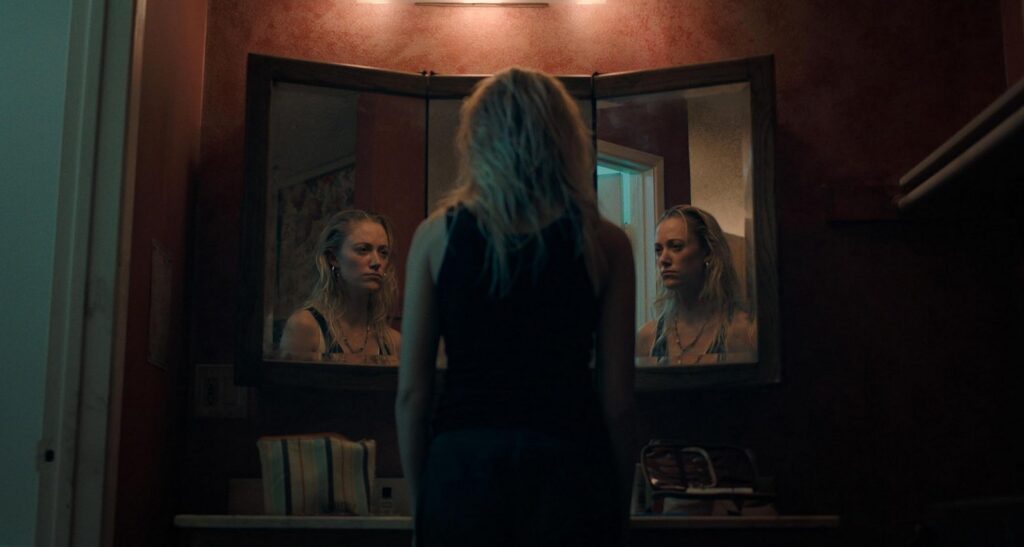
Polly successfully drove a wedge between Caitlin and her daughter by validating Emma’s feelings and manipulating her (such as telling her she was gay when she was just confused). By ending on this shot, the film suggests that the “cradle” has already been rocked. The cycle of trauma has been passed from Polly to Emma, meaning the family will never truly be whole again. Hell, Emma might even pass that sentiment on to Josie.
Frequently Asked Questions
What happened to Stewart?
Stewart, Caitlin’s friend who investigated Polly, is beaten with a baseball bat by Polly when he tries to reason with her. He later dies in the hospital from his injuries.
Is Caitlin mentally ill?
Caitlin suffers from depression and PTSD due to her abusive childhood.
Why did Caitlin burn down the house?
As a child (then named Jennifer), Caitlin burned down the house to stop Polly’s father from abusing her and Rebecca (Polly). She believed it was the only way to escape, but the fire tragically killed Rebecca’s entire family.
Why did Polly poison the family?
Polly laced the family’s food to make them violently ill. This gaslighting tactic was designed to make Caitlin feel incompetent as a mother and force her to rely on Polly for help, eventually inviting her to move in.
Was Caitlin attracted to Polly?
Yes, Caitlin was attracted to Polly. She was previously in a relationship with a woman and she had a deep sexual attraction to Polly. This was made apparent when she spies on Polly having sex.
Was Polly trying to seduce Miguel?
Polly is trying to seduce Miguel. She frequently rolls around on the floor in suggestive ways, wears revealing clothing, and flirts with him in an attempt to attract his eye.
Final Thoughts: A Cycle Unbroken
The conclusion of The Hand That Rocks The Cradle (2025) offers a far bleaker resolution than its 1992 predecessor. While the original film restored order to the family unit after the threat was removed, this iteration suggests that some damage is permanent.
By ending on the image of Emma mimicking Polly, the film posits that trauma is contagious. Caitlin physically survived her childhood abuse, but she inadvertently created a new monster in Polly. Now, despite killing Polly, the cycle appears to have restarted with Emma. The “cradle” has been rocked, and the implication is that it will never stop swinging. It’s a classic story of the cycle of abuse.
Looking for a critique? For our verdict on the acting, the scares, and a full rating, read our Hand That Rocks The Cradle Movie Review.
A Note on Ending Explanations
While we aim to provide comprehensive explanations based on the events on screen, film analysis is inherently subjective. The theories and conclusions presented in this "Ending Explained" feature are personal interpretations of the material and may differ from the director's original intent or your own understanding. That's the beauty of horror, right? Sometimes the scariest version is the one you build in your own head.
You might also like:
- M3gan Unrated (2022) Review – A Campy and Viral Tech-Horror Delight
- The Curse of La Llorona (2019) Review – A Tired and Formulaic Jump-Fest
- The Parenting (2025) review – Meet the parents with a ghost
- The Babadook (2014) Review – A Masterclass In Metaphorical Horror
- Solitude (2024) review – The TV show Alone meets supernatural horror
Disclaimer: Images, posters, and video stills used in this horror ending explained article are the property of their respective copyright holders. They are included here for the purposes of commentary, criticism, and review under fair use. Knockout Horror makes no claim of ownership and encourages readers to support the official release of all films discussed.