Leaving D.C. (2012) Ending Explained – What Happened to Mark?
Movie Details: Director: Josh Criss | Runtime: 1h 14m | Release Date: 2012 | Star Rating: 4/5 Stars
Welcome to Knockout Horror. Today we will be taking a look at the ending of Josh Criss’s micro-budget found footage horror movie Leaving D.C. This is a film that relies heavily on atmosphere and the gradual unraveling of its lead character. Because the story is so contained, the ending has sparked plenty of debate. This is my explanation of the final moments. Please be aware that there are major spoilers ahead.
⚠️ Warning: Spoilers follow below.
The Ending in Brief
The TL;DR: Mark has been pushed to the edge by a combination of supernatural torment and personal rejection. Intoxicated and armed, he ventures into the woods to confront the source of the nightly flute music. A single gunshot is heard, but Mark never returns. The film confirms the haunting is real when an unseen entity moves and switches off the camera inside the house while Mark is still outside.
What was the entity? The film suggests it is a local spirit, possibly a woman from the area’s history who uses flute music to lure or drive residents insane. The entity appears to be territorial, wanting to “keep” the inhabitants of the house as permanent, ghostly company.
Did Mark die? Yes. The lack of a door chime following the gunshot indicates he never stepped back inside. Whether he shot himself in a moment of despair or was killed by the spirit, the result remains the same: he has been consumed by the woods he sought peace in.
The Resolution: The footage we see is the only record of Mark’s final weeks. By switching off the camera, the entity reclaims its privacy and prepares the house for its next unsuspecting victim, continuing a cycle of isolation and disappearance.
Good to Know: The “Leaving D.C.” title serves as a grim irony. Mark left the city to escape the stress of modern life, only to find that the absolute silence of the countryside can be far more dangerous than the noise of Washington.
Table of Contents
Leaving D.C. Ending Explained
No huge recap here, we just need to get straight into the explanation. Leaving D.C. follows Mark, a man who leaves the city to find peace in a remote house in West Virginia. Instead of solace, he finds himself plagued by strange occurrences, specifically the sound of a flute playing in the middle of the night and heavy footsteps outside his door.

Quick shout out to Criss’ use of sound effects to make this movie legitimately scary. Night after night, the situation escalates and Mark becomes more and more agitated. His attempts to capture evidence don’t offer any answers so he comes to a point where he can’t take it anymore.
The Final Night
By the end of the film, Mark is in a state of total exhaustion. He is sleeping poorly, drinking heavily, and has just been rejected by a woman he was interested in. He sits by the window with a bottle of vodka and his gun, waiting for the nightly “visitor” to arrive.
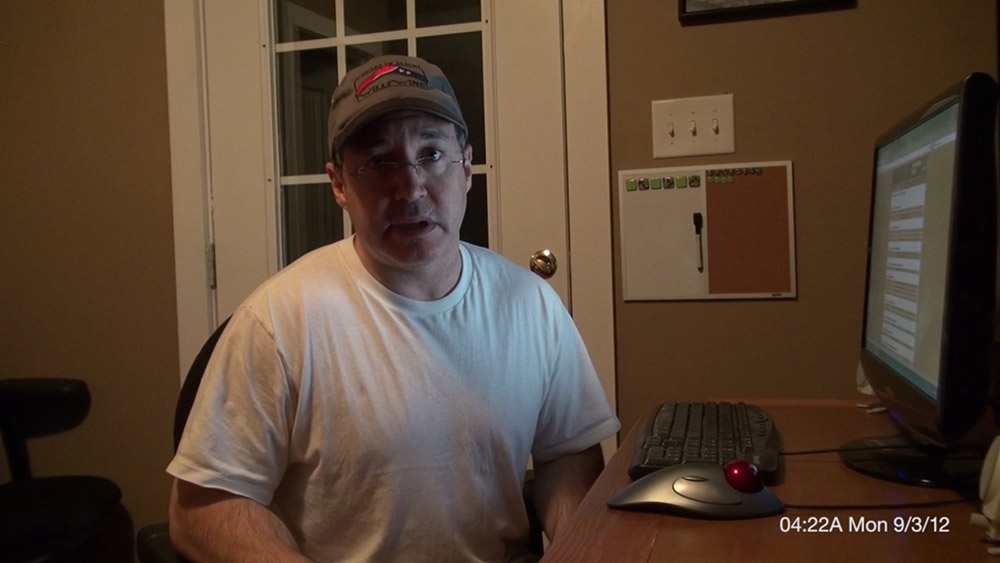
The isolation of the woods has stripped away his urban sensibilities, leaving him primal and desperate. He’s not sure what is causing the noises but won’t dismiss the possibility of it being a very human source. This leads him to his ultimate fate.
Thematic Spotlight: The Psychology of Silent Places
One of the most effective elements of Leaving D.C. is how it uses absolute silence to make ordinary noises sound threatening. In a busy city, a footstep or a distant melody is lost in the background noise of urban life. However, in the profound isolation of the West Virginia woods, these sounds take on a heavy, otherworldly quality. This acoustic isolation plays a massive role in Mark’s mental decline, as his brain becomes hyper-sensitised to every snap of a twig or breath of wind.
The “flute” music is particularly unnerving because it is a human sound in a non-human environment. It suggests a level of premeditation and intelligence that simple animal noises lack. For Mark, the isolation acts as a megaphone for his own anxieties, making it impossible to tell where the external haunting ends and his internal breakdown begins. The woods become a vacuum where the only thing to fill the void is the terrifying, repetitive melody of the entity.
Ultimately, the film hints that the most frightening thing about the country is not what you can see, but what you can hear. I live in the countryside and can attest to that. The random noises plaguing the night sound amplified and infinitely more terrifying in the pitch black.
By the time Mark ventures outside, the sounds have successfully lured him out of his “city” safety net and into a space where his logic no longer applies. The isolation didn’t just hide the monster; it gave the monster the perfect stage to perform its lethal, psychological theatre.
The Gunshot in the Woods
Mark decides to stop hiding when the noises outside his window finally get too much for him. He leaves the house and heads into the trees. We hear the door alarm chime, signaling his exit. A moment later, a single shot rings out.

There is no struggle, no shouting, and no second shot. This suggests a definitive end, one way or another. Because Mark never triggers the door alarm to return, we know he never made it back inside. It’s very safe to assume that something attacked him, he fired a shot in retaliation, but was killed.
Thematic Spotlight: The Price of Solitude
Leaving D.C. explores the double edged sword of isolation. While Mark wanted to leave the “noise” of the city behind, he found that the silence of the woods can be much louder. The entity represents the intrusive nature of the past and the impossibility of truly being alone.
The film uses the found footage format to put us in Mark’s shoes, making his descent feel personal. The ending is a classic trope of the genre, leaving us with the footage as the only evidence of a life that was quietly extinguished. Leaving D.C. succeeds in its restraint. It lets the viewer fill in the gaps and that’s something I love about it.
The Unseen Hand
The most chilling moment of the movie actually occurs after the shot. The camera, still sitting on its tripod or table, is suddenly tilted or moved. We see a change in the frame before the recording is stopped.
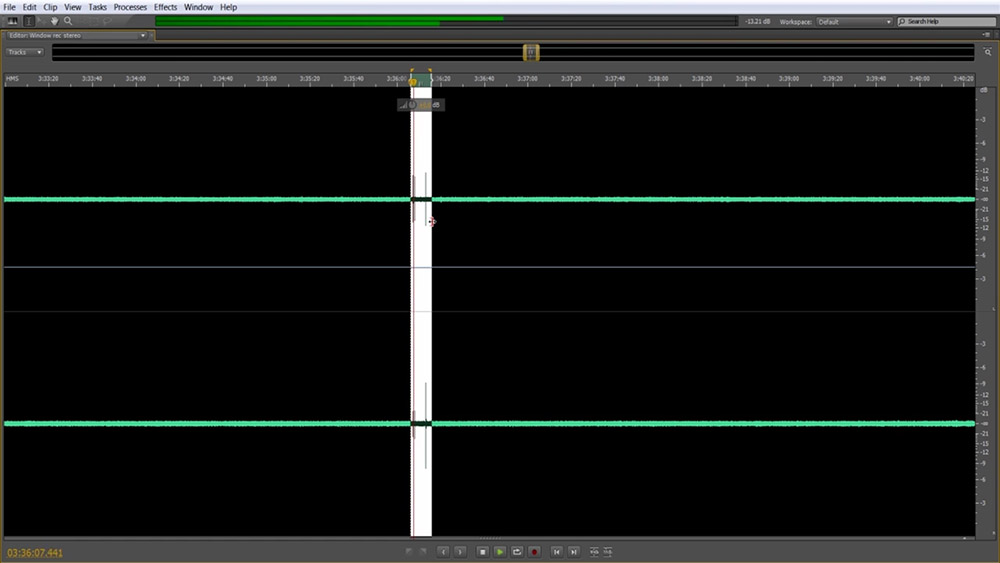
Since Mark is outside, this confirms the presence of the entity within the home. It validates everything Mark heard throughout the movie; he wasn’t just crazy, something was truly stalking him.
Unpicking The Logic: The Door Alarm: Definitive Proof of the Supernatural
The most crucial piece of evidence in the film’s final moments is the front door alarm. Throughout the movie, Josh Criss establishes a strict rule: whenever someone enters or exits the house, the electronic chime rings out. We hear it clearly when Mark leaves the house for the final time. Crucially, we never hear it ring again. This piece of audio storytelling is what separates a psychological breakdown from a literal haunting.
If a human intruder had entered the house to manipulate the camera, the alarm would have sounded. If Mark had returned from the woods after firing his weapon, the alarm would have sounded. The fact that the camera is physically handled, tilted, and then switched off in absolute “alarm-free” silence proves that the entity is not bound by physical boundaries. It did not need to open the door to enter Mark’s sanctuary.
This subtle detail confirms that the entity had been “inside” all along, or at least had the ability to phase through the very walls Mark thought would protect him. It is a pretty damn terrifying realisation that renders his handgun and his locked doors completely useless and almost a little pitiful. By the time the camera lens goes dark, the viewer is left with the certainty that Mark was never truly alone, and his “safety” was merely an illusion maintained by the spirit for its own amusement.
Frequently Asked Questions
What was the sound of the flute in Leaving D.C.?
The flute music is a calling card for the entity haunting the woods. While the film remains ambiguous, local history suggests it is the ghost of a woman who previously lived in the area. The music is used to torment Mark, depriving him of sleep and luring him into the forest.
Did Mark commit suicide at the end?
It is a strong possibility. Mark was intoxicated, isolated, and suffering from a severe mental health crisis. The single, solitary gunshot heard at the end could indicate that he took his own life, potentially under the influence or manipulation of the supernatural entity.
Was the ghost real or was Mark just crazy?
The ghost was real. While Mark was certainly unstable, the final scene shows the camera being moved and switched off after the gunshot. Since the door alarm never chimed to show Mark returning to the house, this movement confirms a supernatural presence was inside the room.
Who sent the email to Mark at the end?
The email from Claire, the woman Mark was obsessed with, was likely real but arrived too late. Her rejection, combined with the haunting, pushed Mark over the edge. Some viewers believe the entity may have even manipulated Mark’s technology, but the film’s tragic irony works best if the email was a genuine, final blow to his spirit. Sorry Mark but you know it’s true!
Final Thoughts
Leaving D.C. is a fantastic example of how to do a lot with a very small budget. The ending might be ambiguous, but the clues left in the audio and the final camera movement provide a grimly satisfying conclusion. Mark’s journey from city dweller to forest victim is a haunting reminder that some places are better left empty. I loved it.
Thank you very much for reading. Why not stick around? Check out some more Ending Explained articles. I also review horror movies and I also write horror lists.
A Note on Ending Explanations
While we aim to provide comprehensive explanations based on the events on screen, film analysis is inherently subjective. The theories and conclusions presented in this "Ending Explained" feature are personal interpretations of the material and may differ from the director's original intent or your own understanding. That's the beauty of horror, right? Sometimes the scariest version is the one you build in your own head.
You might also like:
- 15 Horror Movies Like Good Boy (2025) – Animal-Led Chills and Creature Carnage
- Scary Movie (2000) review – he Start of an Enduring (And Offensive) Spoof Franchise
- 31 Best Funny Horror Movies to Stream Right Now – Gore and Gags
- Shark Bait (2022) Review – A Predictable and Teeth-Free Slasher At Sea
- Stalker (2022) Review – A Claustrophobic Thriller That Stalls Out
Support the Site Knockout Horror is a participant in the Amazon Services LLC Associates Program. Basically, if you click a link to rent or buy a movie, we may earn a tiny commission at no extra cost to you. As an Amazon Associate, I earn from qualifying purchases. This helps keep the lights on and the nightmares coming. Don't worry, we will never recommend a movie purely to generate clicks. If it's bad, we will tell you.
Disclaimer: Images, posters, and video stills used in this horror ending explained article are the property of their respective copyright holders. They are included here for the purposes of commentary, criticism, and review under fair use. Knockout Horror makes no claim of ownership and encourages readers to support the official release of all films discussed.