
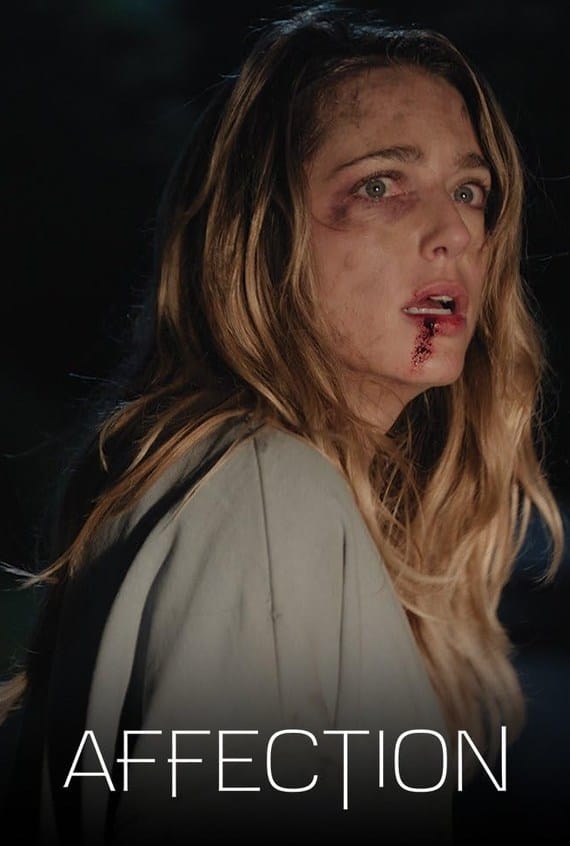
Affection (2025) Ending Explained – Clearing Up The Madness
Welcome to Knockout Horror. Today we are unpacking the mind-bending, sci-fi horror puzzle box that is Affection (2025). We are going to break down exactly what Bruce’s underground laboratory is hiding, explain what “total identity rejection” means for the poor buggers trapped in this nightmare, and dissect that haunting, endless loop of a climax. As always, we will kick things off with our ND-friendly Ending in Brief for those who want immediate clarity before we dive into the full, deep-dive explanation.
Don’t forget to check out our review of Affection if you want to know how I felt about it. Unlike this ending explained, it is completely spoiler free.
⚠️ Warning: Major spoilers follow below.
The Ending in Brief
The TL;DR: “Ellie” is not actually suffering from a typical case of amnesia as a result of her “accident”. In reality, her husband is a bit of a nutcase and she is the result of his experimentation. She is a synthetic human vessel injected with a random digital consciousness pulled from a massive master database. The man pretending to be her husband, Bruce, is a brilliant, but obviously completely maniacal, scientist who lost his real wife and daughter years before. Unable to cope with his grief, he created cloned, synthetic bodies and has been sequentially uploading thousands of digitised minds into them, hoping to accidentally locate and reconstruct his real family. When a mind rejects the synthetic body’s original DNA layout, they experience severe seizures and violent psychological deterioration. After failing to kill the current clone version of Ellie, Bruce kills his daughter before trying the experiment again with two new synthetic bodies. Little does he realise, the current Ellie uploaded her memories into the databank, overriding the next consciousness in the list. Ellie was basically reborn into a new body to take revenge for Bruce’s awful experiment. Bruce finds out and, in a final showdown, Ellie and the still surviving previous clone team up to kill Bruce, setting him on fire. The new Ellie leaves the farm with Alice to start a new life. The film ends on a bit of a twist, revealing that another clone was already in the process of coming to life. As this new clone of Ellie exits the laboratory, she says Bruce’s name, indicating that he had finally found Ellie’s actual consciousness but it is too late, he is already dead.
Who Survived? Biologically speaking, nobody. The real Ellie and Alice are long dead. The versions we see throughout the film are synthetic replicas driven by captured neural data. By the film’s conclusion, there is a clone version of Ellie and Alice left alive. The automated laboratory system successfully produces one more clone of Ellie that actually turns out to have the original Ellie’s conciousness inside of her.
Why did Ellie remember being Sarah Thompson? The woman waking up in the isolated bungalow isn’t Ellie. The digital mind currently loaded into the synthetic brain belongs to Sarah Thompson, an entirely different woman from Maine who earned a computer science degree at Columbia University. Her authentic memories are bleeding through the artificial construct, creating a cognitive dissonance as her brain explicitly rejects the forced identity of “Ellie Carter”.
What happened to the daughter, Alice? Alice is also an artificial vessel subject to the exact same database manipulation. When the young clone witnesses Bruce violently attacking “Mommy” and begins asking too many probing questions about what is real, Bruce, realising her image of him has been corrupted, kills her and creates a new clone. The implication is that Alice actually had the correct consciousness but Bruce has been killing her clones everytime he creates a new version of Ellie.
Table of Contents
Affection (2025) Ending Explained
As always, we don’t do boring, passive plot recaps here on Knockout Horror… You just watched the movie, so you I’m sure you have no interesting in reading about it again. Instead, let’s cut right to the chase and answer the core psychological and scientific horror concepts driving the tragic narrative of Affection.
What is Bruce’s Secret Laboratory Hiding?
Bruce’s secret laboratory is hiding a cloning operation. He has been cloning his late daughter and wife over and over again until he finds the version that contains their actual consciousness. He wants to reconstruct his family due to being unable to cope with the grief of losing them.
Ellie, despite Bruce telling her she was suffering from amnesia, never felt right. She genuinely believed she was a different person so this led her to dig deep to find answers.
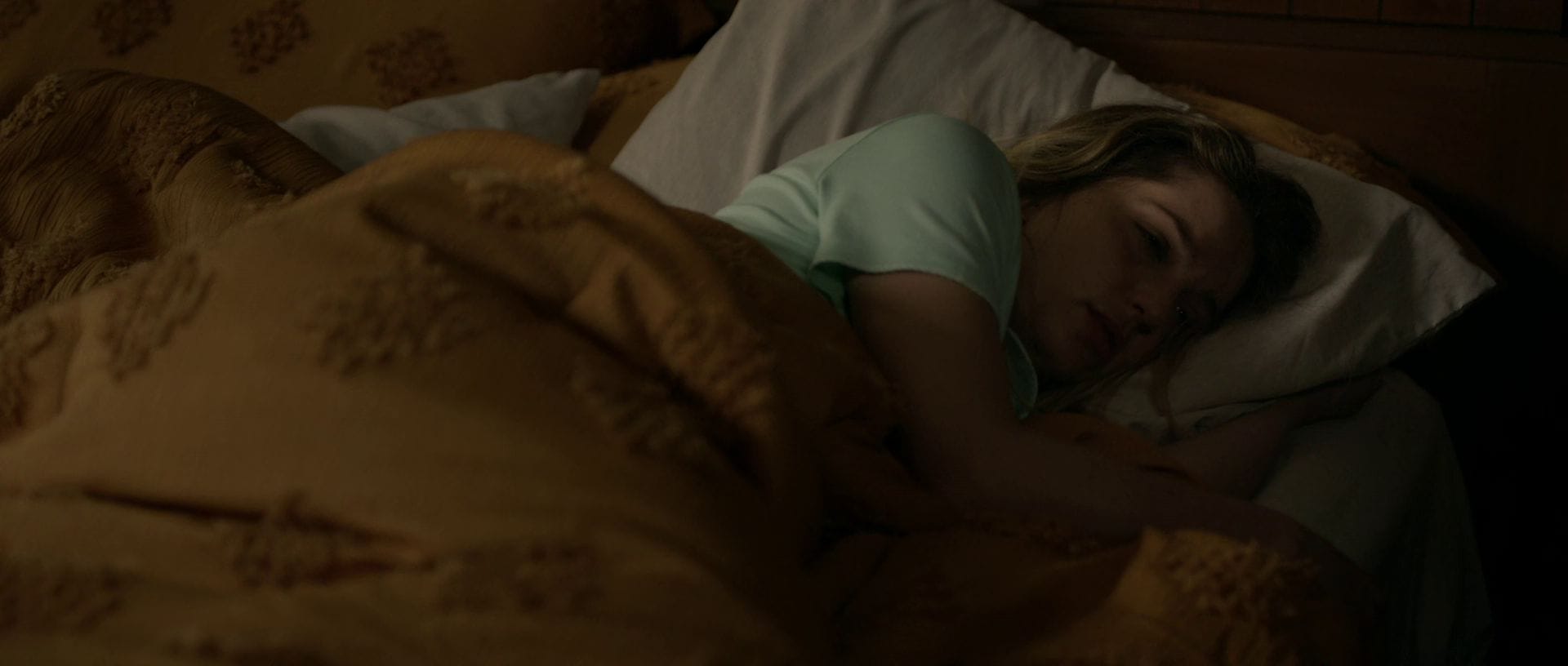
When Ellie breaks into a barn on their isolated property, she uncovers, what could best be described as, a technological nightmare: a sophisticated consciousness-streaming facility designed to manufacture artificial human resurrection.
We obviously need some exposition here and it comes in the form of a hidden video log left behind by Bruce. The video reveals the truth: he is actually a grief-stricken, brilliant engineer working with advanced, non-human synthetic life forms combined with raw biological DNA.
His real wife, Ellie, and daughter, Alice, are dead. Before their passing, their identities were digitised and uploaded into a massive master database containing thousands of other human minds.
This is a procedure that Bruce created and was working on with a scientific company but was shut down to the the morality concerns of digitising people’s consciousness.
Because it is far from a perfect science, Bruce is forced to manually upload files one by one into cloned vessels searching for those of his wife and daughter. This latest version of Ellie isn’t Ellie at all.


Clearing Up The Confusion: So Ellie is not actually the real Ellie?
Exactly! The Ellie we are introduced to, who is supposedly suffering from amnesia after an accident, is not actually the real Ellie. It’s a clone that features the synthetic body of Ellie and the consciousness of a completely different person.
Ellie’s synthetic body contains the consciousness of a woman called Sarah Thompson who is actually a computer scientist from Maine. This is where things start to go very wrong for Ellie because a consciousness not matching up with the body leads to absolute catastrophe. Let’s take a look at how the cloning works and what happens when it fails.
How does the cloning work?
The cloning works first by creating synthetic bodies using the DNA of the person Bruce wishes to clone. A consciousness is then uploaded into that synthetic body with the assumed idea being that the clone will have all of the memories of said person. The big problem is, if the body and consciousness don’t match, they won’t assimilate and the body will begin to decay.
After Bruce creates the synthetic body using the DNA of the person he wants to clone, he has to upload the consciousness of that person. The problem is, as he states, this isn’t a perfect science and the consciousness of the person that ends up in the body is totally random.
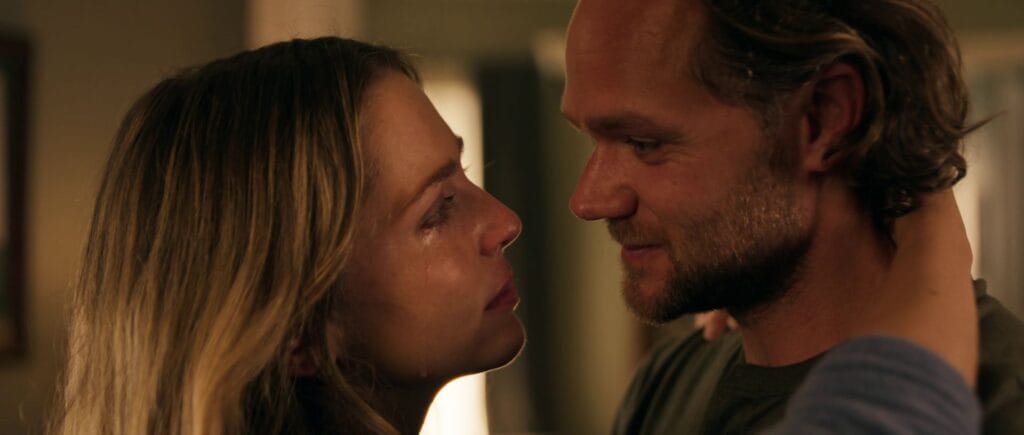
Bruce knows that Ellie’s consciousness is in that database somewhere, he just doesn’t know where. He has to upload the consciousness and then, when the clone reactivates, he has to observe them for weeks and even months at a time to see if it is a match.
During this observation process, he is checking to see whether the clone has his wife’s memories and whether the consciousness assimilates with the body. If it doesn’t, disaster occurs because of the risk of “Total Identity Rejection”.
What is “Total Identity Rejection”?
Total Identity Rejection in Affection is the biological and psychological phenomenon where an uploaded mind firmly realises its physical body and surroundings do not match its authentic history, causing the host system to begin to breakdown.
As Bruce notes in his recorded warnings, the process of binding an outside consciousness file to embedded physical DNA in a synthetic body is an imperfect science. If the consciousness that was placed into the synthetic body doesn’t match the original, the mind begins to fight it. Think of it like a mismatched organ transplant.
We all know what happens when a transplant fails, right? The body rejects it and the organ dies. This is the same thing that happens in Affection. The rejection begins with distinct hand tremors, rapidly escalates into painful physical seizures, and culminates in the loss of awareness and the clone reverting to basic, hyper-violent, unpredictable survival instincts.
Did You Know: Explaining the opening scene
The opening scene of Affection doesn’t make a lot of sense when it is presented out of context. Hell, I imagine some people believe they are simply witnessing the accident that killed Ellie in the first place but that’s not the case.
What we are seeing is a previous clone that had managed to escape the isolated farm with Bruce hot on her heels. We can tell she has experienced this body-consciousness mismatch because her hands are shaking and she suffers a seizure. She’s coming towards the final stages just before she will turn into, essentially, a zombie hell bent on survival and nothing else. As she begins to run down the road, a car driven by Bruce runs her over.
How long has this been going on?
This has been going on for many years, perhaps even decades. Bruce has performed the routine of creating the clones and killing them when the consciousness wasn’t that of Ellie’s hundreds of times.

Bruce talks about his guilt at how long he has been doing this for. Because the process of implanting the consciousness is completely random and the observation period lasts weeks, if not months, it has taken years.
Was Alice the real Alice?
Alice was a clone but the clone did contain the consciousness of the real Alice.
There are a couple of moments that confirm that the Alice we see, although a synthetic body, does contain the consciousness of the real Alice. First off, Alice remembers her dad, knows how many grey hairs he has, knows his tendencies when playing games together, and expresses no confusion over him at all.
Alice also remembers Ellie and remembers the games they used to play together – hotter colder. Alice also remembers herself and Ellie speaking with Grandpa Joe a week earlier.
Now, that doesn’t seem like a hugely significant point at first but there’s a good reason Ellie looks horrified when Alice mentions talking to Grandpa Joe together the week before. It hints at something extremely sinister.
Dissecting The Trope: The Cursed Object vs. Sci-Fi Necromancy
In traditional horror, characters reach for cursed trinkets or occult books to bypass the finality of death. Sci-fi horror updates this by replacing the ancient grimoire or spooky spell with a computer terminal and a master database. This acts as something of a form of technological necromancy. Bruce uses a sterile, cold interface to rip human souls out of digital storage and jam them into meat puppets like he is applying skins to a Fortnite character.
The fundamental horror stems from human entitlement and the lengths a person will go so that they don’t have to accept natural loss. Bruce behaves like a massive Karen trying to return a broken product; he demands his original family back, completely blind to the horrifying collateral damage inflicted on the random consciousness files (like Molly Evans or Sarah Thompson) that he boots up, interrogates, and violently discards when they fail to match his criteria.
Explaining the Tragic Fate of Alice
One of the darkest reveals in Affection is that the little girl, Alice, is also trapped in an identical cycle of mental violation. This is where things get pretty nasty.
As we just established, Alice isn’t a natural child; she is a synthetic vessel that contains the consciousness of the actual Alice. Alice mentions speaking to Grandpa Joe the week before while with her mother.
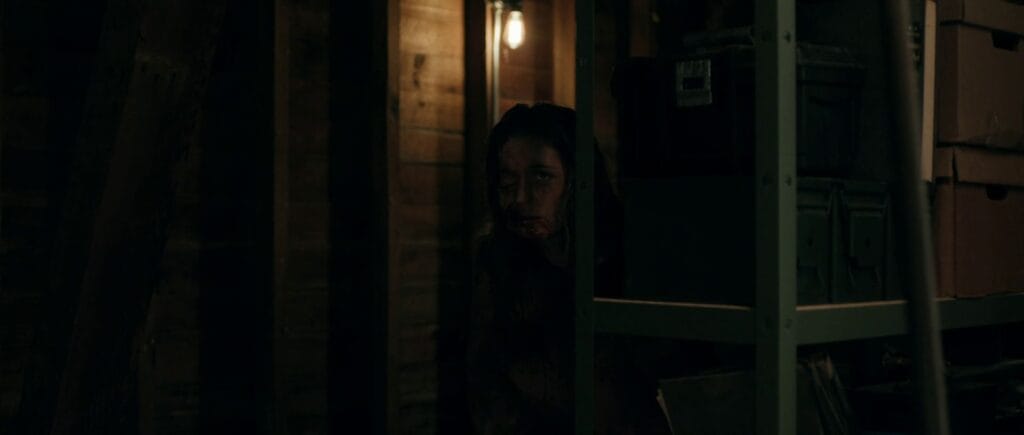
The important point here is that Grandpa Joe is already dead. In fact, the black and white picture of him where he is already aged suggests that he may have been dead for a long time. So how does Alice remember speaking with him only the week prior?
Well, this revelation suggests that every time Bruce creates a new clone of Ellie, attempting to find her actual consciousness, he disposes of Alice and creates a new clone of Alice, too. After all, he needs their memories to align. He can’t have Alice remembering all these different versions of her mother that all acted a little differently.
Alice remembers speaking to Grandpa Joe the week before because this Alice is a brand new clone that has the memories of the original Alice and is unaware of the passing of time. She’s only been alive as long as Ellie has, maybe a few days more.
Bruce isn’t just killing failed clones of Ellie, he is killing successful clones of Alice at the exact same rate. Kinda harrowing, really. It makes the story seem a hell of a lot more sinister and emphasises just what a lunatic Bruce is.
Clearing Up The Confusion: Why did Bruce leave a video log to himself?
Bruce leaves a video log to himself because he plans on cloning himself when he finds the real Ellie, taking his own life, and allowing that clone to live in his place. The video log shares that information with his clone who would be assumed to watch it when it wakes up.
Bruce has murdered dozens of clone versions of both Ellie and Alice. He makes it very clear that he couldn’t possibly live with the trauma of what he has done so he intends to clone himself. The clone will have Bruce’s memories from before all of the experimentation and murder took place. That clone will then get to live with the clone version of Alice and Ellie happily with no guilt.
He claims this is his gift to himself but it makes virtually no sense when you think of it too much. It’s an interesting flip on existential horror, though.
Why does Ellie overwrite the consciousness in the computer?
Ellie uploads her current consciousness into the database by scanning herself. She then overwrites the next consciousness in the queue with her own. The reason she does this is so the next clone would wake up with full knowledge of what it is that Bruce has been doing.
Ellie, is not actually Ellie, remember? She is Sarah Thompson, a computer scientist so a very good match for Bruce when it comes to intelligence and wits. She uploads her own consciousness and overwrites the next consciousness in the queue with it.
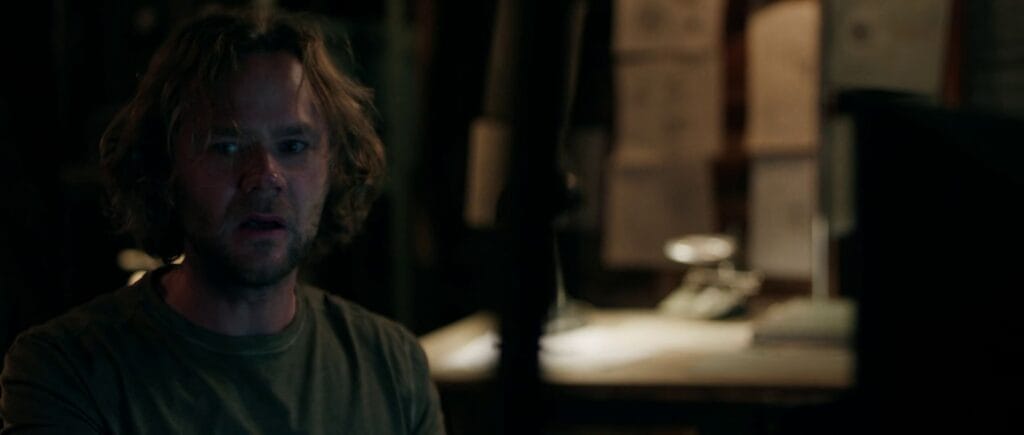
When the next Ellie clone wakes up, she has all the memories of the previous Ellie and is well aware of what Bruce is doing. She knows that she has to pretend to be his actual wife so that he will not harm her and she will have a chance to fight back.
When Bruce gets in bed with her, she calls his name and makes love to him, convincing him that he has finally found the right version of Ellie. That’s obviously not the case, though.
Affection Ending Explained: What Does the Final Loop Mean?
The climax of Affection delivers a double-twist that flips much of the narrative on its head.
Thoroughly believing he has found the correct Ellie and clearly not realising that the previous Ellie (Sarah Thompson) had queued the next clone up to have her memories, including those of the awful things Bruce had been doing. He prepares to create a clone of himself that can live with Ellie and Alice without the memories of the murders he has committed.
While doing that, he notices that the previous file had been updated and mismatched. This made it clear to him that the clone he believed contained his wife’s actual consciousness actually didn’t and was obviously just playing along with him to catch him off guard.
Meanwhile, the new clone Ellie (Sarah Thompson) has retrieved a gas canister and torch to burn down Bruce’s laboratory and put an end to all this nuttiness. When she gets inside the lab, Bruce is waiting.
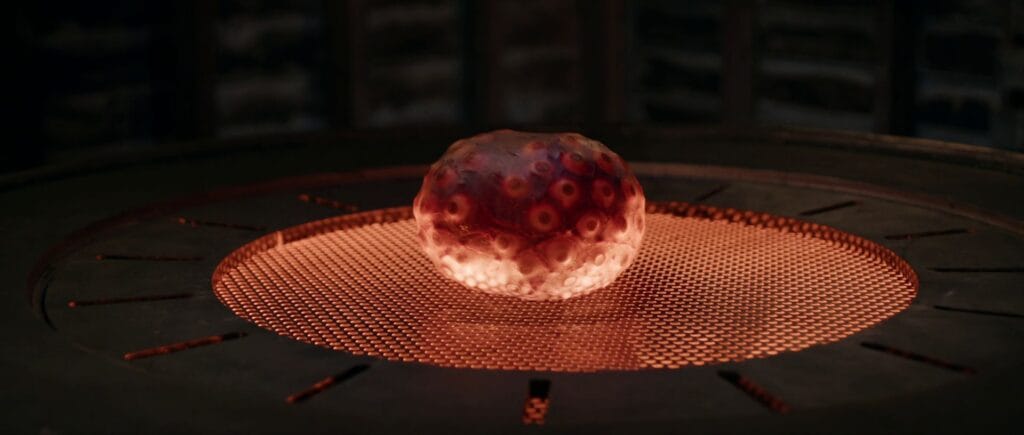
Ellie begs him to give up the cruel experiments but he tells her he will never let Alice and Ellie go. He attempts to stun Ellie but she fights back; worth noting here, once again, that the synthetic bodies are a lot more robust than normal humans so can take a good beating.
She tries to spray him with fuel and set him on far but fails as her hands are shaking due to the body rejecting the consciousness. Ellie collapses with Bruce taking her out into a corn field to bury her. Little does he realise, however, Ellie’s previous clone is still alive and fighting on pure instinct.
The clone appears and attacks Bruce, knocking him into the grave he had just dug for Ellie. Ellie douses both Bruce and the clone in fuel before lighting a match and setting them on fire. Ellie picks up Alice and the pair leave the farm to, we can assume, start a new life together.
But won’t this Ellie clone suffer the same fate?
Though it would initially seem as though this most recent clone of Ellie would suffer the same gruesome fate as all the others when the body rejects the consciousness. There’s actually something that helps the consciousness bind to the body – Alice.
We had already seen that the most recent clone was seeing the symptoms of total identity rejection (her hand shakes) so her fate appears to be sealed. It all changes when Alice comes up with the flashlight and tries to save her mother’s life.

Ellie refers to her as “my baby”. The clone of Ellie, bearing Sarah Thompson’s consciousness, has actually developed maternal instincts for Alice due to all they have been through. She wants to care for her and be a mother to her which gives her an actual bond to the synthetic body.
In other words, Sarah Thompson has accepted that she will now be living her life as Ellie and caring for Alice. Her consciousness and body are no longer at odds, even though she is technically a different person. This means she won’t rot and turn into an instinct driven zombie.
Horror Context: What Does That Final Scene Mean?
We can’t leave this ending explained without talking about that final scene. Apparently another clone was already being made as the events of the finale played out. In the final moments, said clone emerges from the machine. She looks around before uttering the name “Bruce”.
What this means is that Bruce had finally been successful. He had actually managed to find Ellie’s actual consciousness and had implanted it into a clone. The most recent clone is the actual Ellie, only she has now been brought back to life with Bruce gone and Alice miles away living with Sarah Thompson. Not the perfect family situation Bruce imagined and you have to imagine it will be hell on earth for Ellie.
Final Thoughts: An Uncompromising Vision of Grief
If you watched Affection and it felt a little bit familiar, that’s probably because it’s extremely similar to the Aussie movie In Vitro (2025). They share bags in common; from the hi-tech cloning right down to the bodies decaying.
These modern monkey’s paw tales of husbands unable to cope with grief or rejection do put an interesting spin on the tried and tested formula. It was okay. I really like Jessica Rothe and she was fantastic here. A solid enough debut for director BT Meza. Thanks for reading! Why not check out some of our other Ending Explained articles or take a look through our curated horror lists?
Frequently Asked Questions
Was the main character ever actually the real Ellie?
No. The protagonist we follow throughout the film is actually Sarah Thompson, an entirely distinct individual whose digital consciousness file was pulled randomly from the master database and slammed into a synthetic human clone.
Why did Bruce have to isolate them with no phone service?
The isolation wasn’t actually a recommendation from a real neurological specialist; it was Bruce making a strategic decision to help him conduct these experiments. If the uploaded consciousness had access to internet or telephone networks, they would instantly discover their real identities, triggering total identity rejection immediately. He needs to be able to observe them over time.
What did the tremors in the hands signify?
The physical tremors are the baseline neurological symptom indicating that the host’s mind is failing to fuse properly with the artificial body’s embedded DNA layout. It is the opening warning sign of an inevitable, fatal identity rejection.
Did Bruce survive the arson attack at the end?
Absolutely not. Bruce was burned to a crisp but the scary thing is that his consciousness is still there inside the database. He could easily be brought back by someone who knows how to do it.
How did the new Ellie clone already know what Bruce was doing?
Before she was incapacitated by her body’s identity rejection, the previous clone (who possessed the mind of computer scientist Sarah Thompson) managed to hack into Bruce’s database. She scanned her current consciousness, full of memories of Bruce’s murders and experiments, and used it to overwrite the very next file in the laboratory’s print queue. Because of this brilliant play, the next clone woke up completely lucid, carrying the memories of the previous iteration and allowing her to feign affection to catch Bruce off guard.
What does the final clone uttering Bruce’s name mean?
It provides one final fun knife twist to Bruce to close out the film. The final clone that crawls out of the automated machinery at the end is explicitly confirmed to be the real, authentic consciousness of Bruce’s late wife, Ellie. After years of running his sick, randomised matching experiment and slaughtering clones to find her, Bruce finally succeeded but, because Sarah Thompson and the decaying clone set him on fire, he is already dead. The real Ellie is now reborn entirely alone in a destroyed laboratory with her family gone.
A Note on Ending Explanations
While we aim to provide comprehensive explanations based on the events on screen, film analysis is inherently subjective. The theories and conclusions presented in this "Ending Explained" feature are personal interpretations of the material and may differ from the director's original intent or your own understanding. That's the beauty of horror, right? Sometimes the scariest version is the one you build in your own head.
You might also like:
- Audition (1999) Review – A Disturbing Masterclass in J-Horror Dread
- 825 Forest Road (2025) review – A generic trudge through haunted house tropes
- Ginger Snaps (2000) review: The ultimate coming-of-age werewolf movie
- The Decedent (2025) review: A found footage hidden gem on Tubi
- Keeper (2025) review: Osgood Perkins at his most divisive
Disclaimer: Images, posters, and video stills used in this horror ending explained article are the property of their respective copyright holders. They are included here for the purposes of commentary, criticism, and review under fair use. Knockout Horror makes no claim of ownership and encourages readers to support the official release of all films discussed.