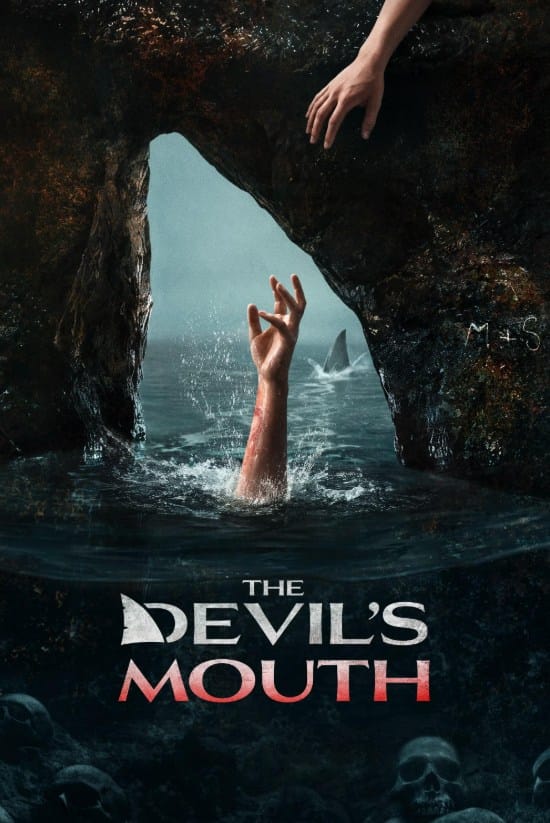
The Devil’s Mouth (2026) Ending Explained – Did Sara Survive and Was Max Toxic?
Welcome to Knockout Horror. Today we are plunging deep into the murky, limestone-infested waters of Jeff Wadlow’s Amazon Prime aquatic creature feature, The Devil’s Mouth (2026). We are going to look at how a shark could survive in freshwater, examine Max and Sara’s toxic friendship, and breakdown that crushing end.
As always, we will kick things off with our ND-friendly Ending in Brief for anyone looking for immediate answers before we dive headfirst into the full cave system autopsy. If you want to check out my full, spoiler-free thoughts on the movie, be sure to head over to our official review of The Devil’s Mouth (2026). Spoiler alert: I thought it was poo.
⚠️ Warning: Major spoilers follow below.
The Ending in Brief
The TL;DR: After the entire group is picked off one by one by a rogue Bull Shark in the flooded cave system, Sara and Max make a final stand in the main cavern. As the tide rises, Sara climbs up to an escape shaft to get help, but a panicking Max tries to follow despite her broken hand. They tie a rope together to pull Max up, but the shark attacks and drags Max underwater, killing her (yay!). Alone and trapped, Sara remembers Wat’s warnings about the fragile, collapsing cave walls. She intentionally baits the shark into ramming the support structures, pulling a massive chunk of limestone down to crush the shark to death. Sara climbs out through the cavern ceiling, emerging onto the cliffside covered in blood and screaming in relief. The boats nearby indicate that she will likely be rescued from the cliff-face shortly.
Who Survived? Only Sara makes it out alive. Her extremely annoying and very controlling best friend Max, their tour guide Wat, and fellow college friends Greg, Adrienne, and James are all mauled by the shark or drowned throughout the cave network.
Why was there a shark in a freshwater cave? The shark in The Devil’s Mouth is a Bull Shark. These are one of the few shark species capable of surviving in both saltwater and freshwater environments due to their unique osmoregulation. It was swept into the freshwater cave system during a massive tropical storm surge that flooded the coastal caverns.
How did Sara defeat the shark? Sara weaponised the bull shark’s aggression and the fragile nature of the cave itself. She hung from the rock and splashed in the water, deliberately to attract the shark. The shark charged, little realising that Sara was hanging in front of a delicate section of limestone. At the last second, she dropped, forcing the shark to hit the wall which caused a localised cave-in that flattened and crushed the shark.
Table of Contents
The Devil’s Mouth (2026) Ending Explained
Allow me to plug the Knockout Horror Ending Explained format for a second, here, for those who are new. I make these articles specifically for neurodivergent people and those with busy lives and busy minds. I explain all the important parts in carefully labelled sections and elaborate on plot points in sections that you can choose to read if you want more information.
We never waste your time with boring plot recaps on this site. I don’t want to go over every detail of a movie that you just watched because it is pointless. Your time is precious so let’s cut the crap and unpack both the literal and metaphorical layers of The Devil’s Mouth.
How Was a Shark Surviving in Fresh Water? The Trapped Apex Predator
The shark was surviving in the fresh water cave system because it was a Bull Shark. Bull sharks are euryhaline sharks and can adapt to a whole range of different salinity ranges, including completely fresh water. The bull shark was entirely capable of thriving in that environment.
This is, essentially, the primary mystery of the early parts of The Devil’s Mouth. How the hell is a huge, apex sea predator hunting in a dark, freshwater cave network? Sharks live in the sea, right? They need salt water to survive. Well, that’s true for most sharks but not bull sharks.
Bull sharks are a Euryhaline organism and can adapt to a wide variety of different salinity levels. This is a rather rare phenomenon in the shark world but, perhaps, a bit more common than you might think. Out of approximately 530 known shark species, only around 45 are thought to possess this ability.
For those who enjoy percentages, that’s about 8% of all shark species. Even fewer can manage to comfortably live in completely fresh water. It’s far more common for sharks with this ability to only live in brackish (low levels of salt but not completely fresh) water during the early stages of their lives.
The bull shark is quite unique because it is extremely large, hyper aggressive, and is actually capable of thriving in freshwater. It is theorised that the shark attacks that inspired the movie Jaws were potentially perpetrated by a bull shark due to where some of them occurred.
Two attacks took place in Matawan Creek which was 10 to 15 miles away from the ocean. It is very typical of bull sharks to travel up rivers and estuaries and they certainly have a reputation for attacking humans.


The Devil’s Mouth establishes that a recent tropical rainstorm caused heavy flooding, forcing saltwater and marine life into the freshwater, limestone caverns. While the normal saltwater fish died off due to the shift in salinity, the Bull Shark thrived.
Unpicking the Logic: How Bull Shark Osmoregulation Works
Being a big fan of marine fish and owning a few aquariums, I find this element of the movie pretty fascinating. One of the most scientifically accurate (and actually scary) elements of The Devil’s Mouth is the presence of a Bull Shark hunting inside an inland freshwater cave network.
Most marine sharks are stenohaline, meaning their bodies immediately collapse, dehydrate, or suffer fatal cell damage if exposed to fresh water. The Bull Shark, however, is euryhaline. This means they possess a remarkable biological process called osmoregulation that allows it to transition seamlessly between salt and fresh water.
In open ocean water, a shark’s blood retains high concentrations of urea and trimethylamine N-oxide to match the salinity of the sea. When the storm surge forces the Bull Shark deep into the freshwater cave system, its physiological engine immediately shifts gears:
- Kidney Reprogramming: The shark’s kidneys drastically reduce the reabsorption of urea, flooding its system with diluted urine to flush out excess water absorbing through its gills.
- Sodium Recycling: Special cells in its rectal gland and gills flip their ion transport pumps, actively absorbing necessary sodium and chloride ions from the fresh water rather than excreting them.
- Metabolic Shift: By reducing the concentration of solutes in its bloodstream by up to 50%, the shark prevents its body tissues from swelling and bursting due to osmotic pressure.
While normal marine wildlife trapped in the flooded cavern dies off from osmotic shock, the Bull Shark’s specialised organs allow it to thrive. Trapped in a subterranean maze without its usual open-ocean prey, this biological adaptability transforms the creature into a hyper-aggressive, desperate predator with a completely unique physiological home-court advantage.
Why Was the Shark So Aggressive? The Starving and Desperate
The shark in The Devil’s Mouth was extremely aggressive for a couple of reasons. Bull sharks have already got a bit of a bad reputation (mostly undeserved) for attacking humans. They are quite temperamental and territorial so will attack when provoked. The main reason the shark here was so aggressive, however, was due to hunger as it wouldn’t have been able to eat while trapped in the cave.
A bull shark would be perfectly capable of surviving in a well stocked river system or lake. They are hyper-opportunistic feeders and will basically eat anything and everything in their way. While the osmoregulation that allows them to survive in freshwater would greatly increase their metabolic load, meaning they would have to eat more. Things like catfish, tarpon, stringrays, and bass would allow them to sit comfortably atop the food chain and do pretty damn well.
The problem is, a freshwater cave system does not play host to the vast array of bull shark delicacies. In fact, your average freshwater cave system has virtually no apex prey and could be considered something of a nutrient desert for a large predator. It will mostly be inhabited by tiny crustaceans, shrimp, and blind cave fish.
A normal sized bull shark (between 300-500 lbs) living in freshwater needs constant calorific intake to sustain both its normal body function and the increased metabolic consumption that comes from osmoregulation (balancing the levels of salt in its body).
Trapped in a maze-like subterranean honeycomb without its normal open-ocean food supply, the shark would eat through whatever creatures were swept into the cave with it during the flood in a matter of days. It would then become hyper-aggressive, territorial, and desperate for prey, hence viewing the vacationing students as an easy food source.
The Devil’s Mouth isn’t a great shark movie but it is one of the only ones I have watched that has a decent explanation for why the shark is so damn hungry and aggressive.
How Max’s Control Killed Her Friends
Let’s be honest, the bull shark does the killing here but there’s another antagonist that the group should be seriously wary of – Max. Man this chick was annoying and it’s made clear very early on that her dynamic with both Sara and the friend group is extremely toxic.
In fact, pretty much everything that goes wrong here is directly related to a decision or a demand made by Max. Let’s just take a look at some of the bullshit she causes. Oh, and a special shout out to Sara for not standing up to her and letting her dig them deeper and deeper into the crap.
- She changes her living and job plan, massively impacting Sara, without telling her while coercing Sara into following her.
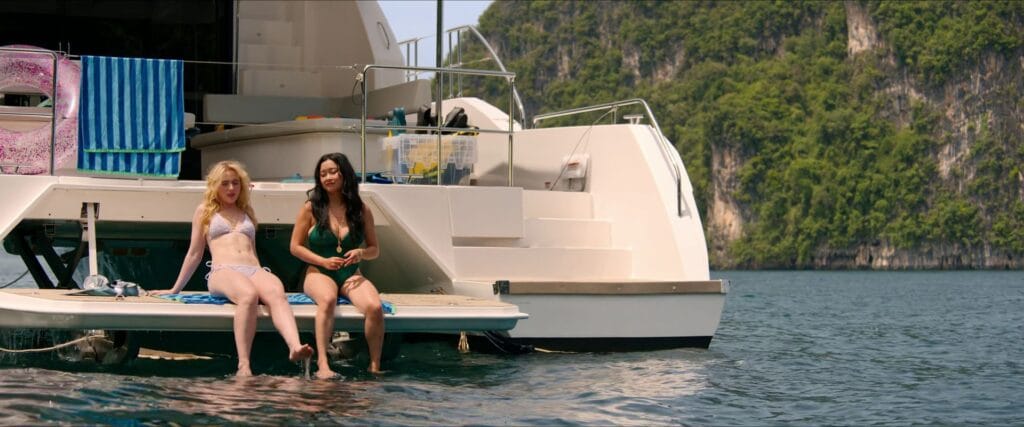
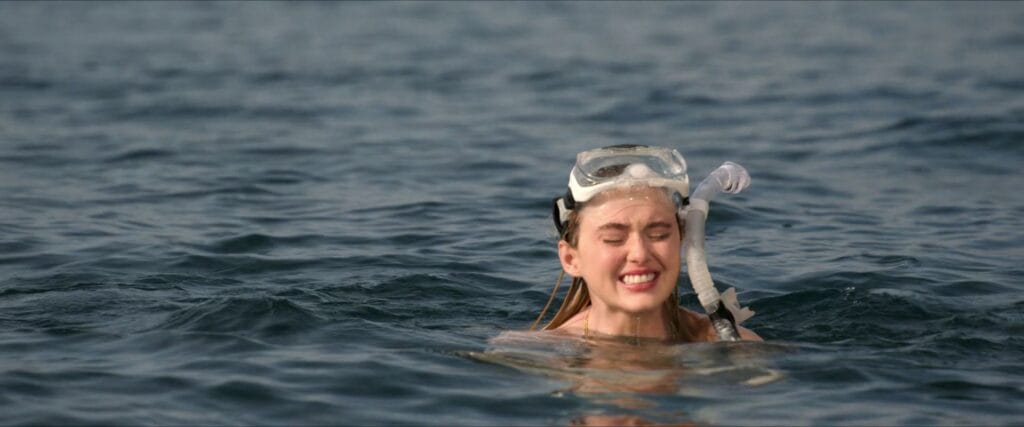
- She leaves Sara in the water after completely forgetting that she is snorkeling, resulting in Sara being attacked by jellyfish and left traumatised.
- She forces tour guide Wat to take the dangerous, flooded “Red Route” instead of the safer tourist path that Sara wants to take.
- She refuses to turn back when Adrienne cuts her leg, ignoring the danger of blood in the water and the potential for infection.
- She constantly starts arguments and sews discontent in the group, forcing them to make increasingly poor choices.
- She rejects Wat’s warnings and Sara’s logical map calculations, forcing the group into narrower tunnels that lead to James getting trapped and drowning.
- She insists on trying to climb up the wall with Sara despite being injured, rather than waiting for Sara to go get help. This leads to both of them ending up in the water.
Max’s inability to relinquish control or admit fault creates a domino effect of bad decisions. Every time the group faces a fork in the road, Max demands to get her own way, directly leading to the deaths of Greg, Adrienne, James, Wat, and eventually herself.
Honestly, Max’s death is one of the highlights of the movie. I just wish it came a little bit sooner.
Thematic Spotlight: Codependency and the Cost of Assertiveness
Beneath the more obvious aquatic creature-feature surface, The Devil’s Mouth functions as something of a metaphor for Sara overcoming toxic codependency. At the start of the holiday, Sara is so passive that she forgives Max for leaving her behind on a yacht where she was badly stung by jellyfish. She constantly lets Max dictate her career, her living arrangements, and her safety.
The flooded cave network acts as a pressure cooker that forces Sara to eventually shed her submissive identity. Max’s “magic” leadership style is exposed as nothing more than a fragile ego that panics under pressure. Sara’s survival relies entirely on her standing up for herself, taking charge of the map, and making independent decisions. The Devil’s Mouth is as much an allegory for overcoming a toxic relationship as it is a survival movie.
Why Do Max and Sara Leave James to Die?
Sara and Max leave James to die because he is completely trapped, they can’t move the rocks to free him, and they only have a very limited amount of available oxygen in the air pocket they are currently in.
I kinda figured this scene might confuse people a little. After all, it seems a little bit cruel. James is still alive, he is just trapped. It would seem as though the two could keep buddy breathing (a technique where divers bring oxygen to someone without an oxygen source, usually through exchanging diving masks or respirators) with him until he was able to free himself.

The truth is, James was completely trapped under the rocks and neither woman would be able to free him due to the weight of said rocks. On top of that, the rapid build up of carbon dioxide in the air pocket would have caused hypercapnia (carbon dioxide poisoning).
An air pocket in a cave system does not contain a continually replenishing source of oxygen. It’s a very small amount and not enough to sustain even one human for a long period of time. The real problem isn’t the lack of oxygen, however, it’s the buildup of carbon dioxide that comes from human exhalation.
As the oxygen in the air pocket was consumed, it would be replaced by the exhaled carbon dioxide. With both Sara and Max buddy breathing for James, the carbon dioxide buildup would be even more rapid due to panic, anxiety, and physical exertion. They would actually be consuming oxygen and producing carbon dioxide at 3-4 times the normal rate.
With that in mind, the air pocket would become lethally toxic in a matter of 5-10 minutes. James realised this and doesn’t want them to die in the cave with him. He tells them to leave him, accepting his fate and the pair reluctantly agree.
Why Did Sara Dream About Abandoning Max?
Sara dreams about abandoning Max because, deep down, she knows that Max is causing all of these problems and has essentially led the group to certain death. She subconsciously wants to break free from her control.
Sara has obviously been dealing with the controlling nature of Max for years. Max is, likely, a malignant narcissist who demands full control over the people she is with. When it comes to her relationship with Sara, she displays a classic pattern of abuse, control, coercion, and love-bombing.
- She makes life-changing decisions without consulting Sara
- She completely disregards Sara when she is not right in front of her
- She is unable to accept fault or blame and deflects repeatedly
- She demands to get her own way
- She controls the people around her
- She immediately resorts to either histrionic displays of affection or overt anger when challenged
Sara is, for all intents and purposes, a victim of abuse. The people around her recognise that but she does not. Even one of her friends says she needs space away from Max so should move to New York.
This is a common dynamic when someone is close friends with a narcissist and the person on the receiving end can often develop the same coping strategies that abuse victims do. Whether that is making excuses for the person, attempting to not anger them, becoming passive, or simply not challenging them at all.
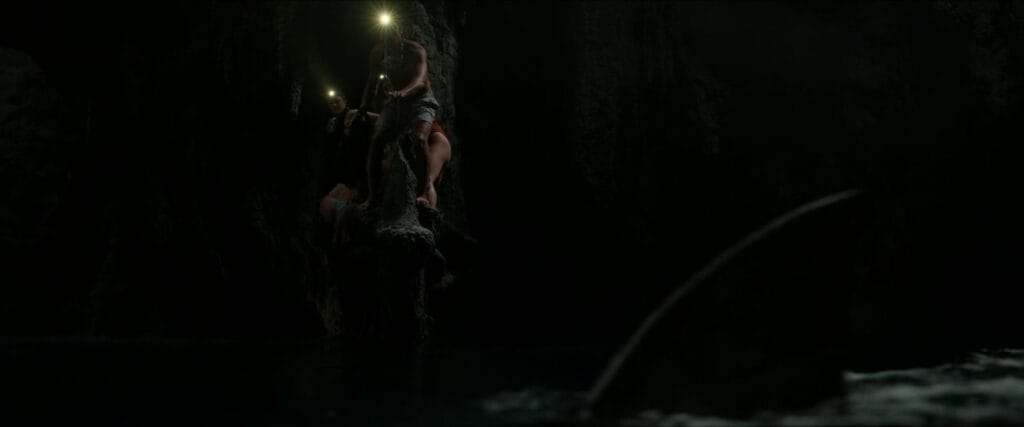
Sara literally dreams of finally breaking free and standing up to Max. She knows that Max is the cause of all the problems in both her life and in the cave and it would seem she has finally reached her breaking point. The only thing that stops her from leaving Max is the fact that she is too good of a person to go through with it.
Leaving the cave is both a literal escape from the harrowing situation and an escape from Max’s control.
In a moment of spiteful poetic justice, Max’s demanding personality is the reason she is eaten as she refuses to listen to Sara telling her to wait. She tries to climb up with her injured hand, falls, and is eventually killed by the shark.
This acts as something of a metaphorical look at the way narcissistic people often ruin their own lives through their self obsession and disregard for everyone else.
How Did Sara Kill The Shark? The Brittle Cave Structure
Sara kills the shark by turning its own aggression against it. She uses herself as bait to force the shark to lunge out of the water before moving at the last second. The shark slams into the brittle limestone cave structure which then collapses on the shark, crushing it.
After Max is dragged under and consumed by the shark and we are all done cheering, Sara is left alone in the dark, main cavern. With her best friend dead and no one left to rescue her, Sara realises she cannot outswim the creature so she needs another plan.
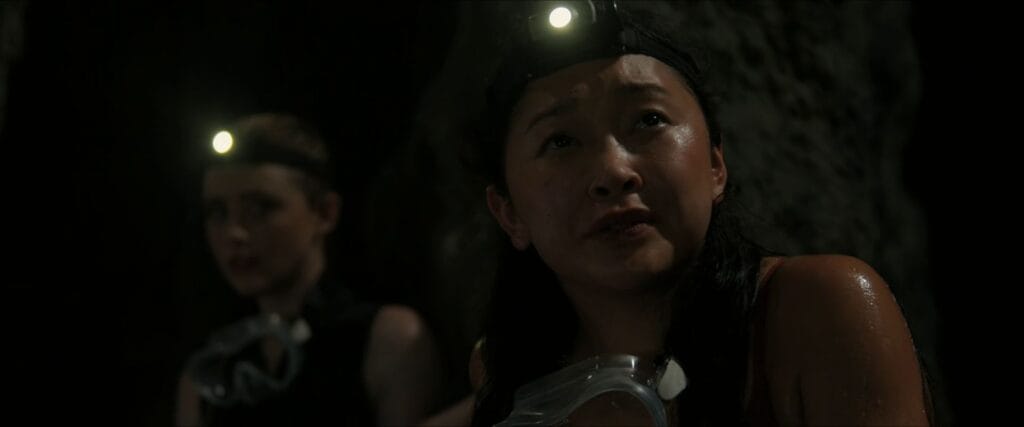
Sara recalls tour guide Wat’s earlier warnings about the ancient, unstable limestone formations. Throughout the tour, Wat emphasised that the cave was the “master” and that fragile rock pillars could easily collapse if disturbed. Sara decides to weaponise this.
Positioning herself on a slippery ledge near a brittle support wall, Sara intentionally draws the shark’s attention. She squeezes some blood from her arm and throws it into the water (don’t know how this would work with all of Max’s intestines floating around but, okay), yells and splashes her feet, baiting the creature into a high-speed charge.
As it charges, she raises her feet out of the water to avoid being bitten. The shark, realising that it is going to have to get some air to enjoy its next meal, prepares one last charge. As the shark lunges out of the water, Sara drops off the ledge. The sharks slams into the fragile limestone, causing a massive structural cave-in.
Tons of solid rock crumble directly onto the shark, crushing its spine and killing it instantly. A large piece of rock slams into Sara’s head, knocking her unconscious. Luckily, she wakes moments later, climbs out of the water and gathers her senses. She has somehow survived.
Should Sara Have Died?
Absolutely, Sara should have died. There would be virtually no way for her to survive after receiving a blow to the head that knocked her unconscious while she was in the water. There’s a few simple reasons for that.
Humans have something known as the mammalian diving reflex; if you have ever jumped into cold water, you will recognise this. When you hit cold water, your body kicks into a survival mode. You automatically hold your breath and your heart rate will reduce to slow down oxygen consumption. The involuntary reflex is what keeps you alive when you enter dangerous water.
When you are knocked unconscious, this reflex no longer works. Your unconscious brain suddenly resorts to far more primal matters of survival. What this means is that the second your brainstem’s functions take over, rising levels of carbon dioxide in the blood will trigger the brainstem’s respiratory centre to try and fix that. The way the body does that is by taking in a nice big gulp of air.
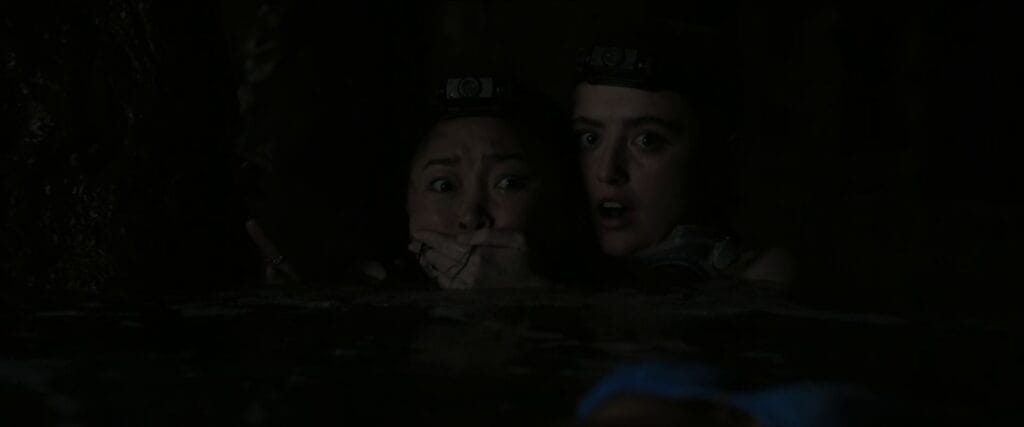
Ordinarily, that’s fine, right? You will breathe in, carbon dioxide levels will drop, and you will be fine. In the water, however, that’s obviously not a good thing. You will try to take in a big gulp of air but, instead of air, you will aspirate water and fill up your lungs.
Even if, in the best case scenario, your vocal cords briefly spasm and lock shut to stop the water entering your trachea, hypoxia (lack of oxygen) is going to open them right back up after 30-60 seconds. The extra kicker here is the fact that traumatic brain injuries usually induce an almost immediate sudden gasp of air right at the moment of impact.
Movie logic often suggests that the person only suffered a brief micro-concussion with a tiny moment of unconsciousness (syncope), so would be able to recover before they took a breath. That really wasn’t the case, here; Sara was clearly very much out of it. She had no life jacket on and was sinking rapidly.
In reality, Sara would have taken that blow to the head, took in a huge gulp of water, aspirated, and likely died of hypoxia as she sank to the bottom of the cave. Doesn’t make for a very triumphant story of survival though, does it? Yay for plot armour.
What Does the Final Scene Mean?
The final scene means two things. Sara has survived the traumatic situation and escape the cave but she has also survived a toxic relationship with a narcissist and is finally free from that, too.
With the predator dead, Sara climbs back up the walls of the cave. She hauls herself out through the narrow rock gap, emerging onto a sunlit cliffside overlooking the Thai ocean.
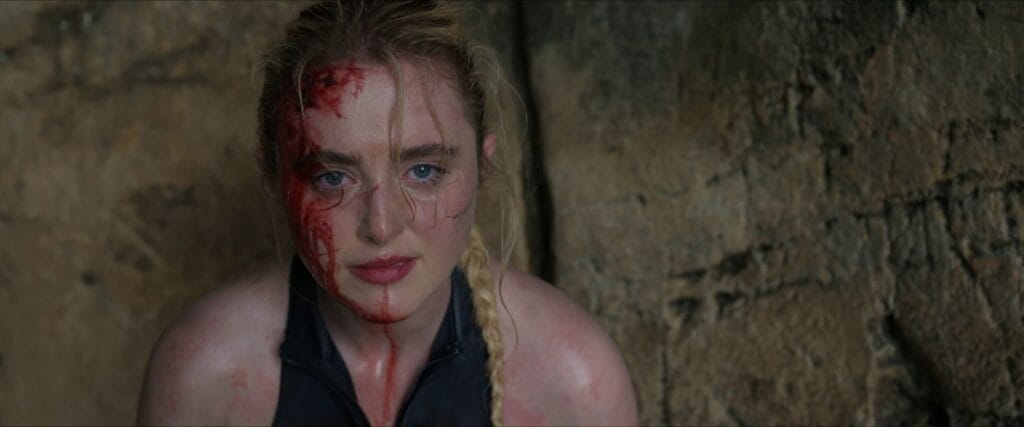
Covered in blood, mud, and seawater, Sara lets out a triumphant scream into the horizon. It’s a bit of a cheesy finale but this final shot represents two key narrative resolutions:
1. Rebirth Through Trauma: Sara entered the cave system as a meek, easily manipulated push-over who let her friend walk all over her. She exits the cave as a battle-hardened survivor who conquered an apex predator through her own intellect and sheer force of will.
2. Total Liberation: The scream is far more than just relief at surviving; it’s a cathartic release of years of repressed frustration, grief, and emotional submission. The old Sara who needed Max’s approval died in the dark; the woman standing on the cliff answers to no one… Well, at least we hope, anyways.
Survival Horror: Respecting the Environment
Throughout The Devil’s Mouth, tour guide Wat repeatedly warns the group to “have respect for the cave”. He reminds them that they are mere visitors in an ancient, volatile ecosystem that can sink and swallow villages in an instant. Max treats the tour like an Instagram photo-op, recklessly knocking off stalactites, carving her name into rocks, and ignoring environmental red flags.
Sara’s ultimate victory comes from her paying attention to Wat’s wisdom. While Max tried to force her way through nature using brute force and stubbornness, Sara observed the cave’s mechanics, respected its structural fragility, and weaponised the environment against the shark. The cave destroyed those who disrespected it, but offered a doorway out for the one person who listened.
It’s a little stupid when you consider that a production company flew a bunch of actors and equipment out to Thailand to make this movie but there is an environmental message here. The ecosystems around us are fragile and if we don’t protect and respect them they may just destroy us.
Final Thoughts: A Flawed, Slow-Burn Creature Feature
Bah! I was really hoping for more with this movie. I love Kathryn Newton and I thought a big time production company could, perhaps, make a really enjoyable popcorn flick. Let’s be honest, though… The Devil’s Mouth is far from a top-tier shark horror classic. The film suffers from an overlong runtime, frustrating character choices, a hell of a lot of boring downtime, and a seriously restrictive PG-13 rating that drains the kills of any real nastiness. It’s a big disappointment but that’s just the way things are with most shark movies.
Thanks for reading! If you love digging through ending explanations without getting bogged down in fluff, stick around and check out some of our other Ending Explained breakdowns, browse our horror reviews, or take a look at our curated horror movie lists.
Frequently Asked Questions
How did the shark get into the cave?
A tropical storm surge flooded the coastal passages, sweeping the Bull Shark from the ocean into the freshwater cave system. Unlike most sharks, Bull Sharks can survive in freshwater environments.
Does anyone survive The Devil’s Mouth?
Only Sara survives the ordeal. Max, Wat, James, Adrienne, and Greg are all killed by the Bull Shark or cave hazards throughout the movie.
How does Sara kill the shark at the end?
Sara baits the shark into lunging at her near an unstable rock wall. She drops into the water at the last minute leaving the shark to slam into the wall causing a cave-in that crushes the shark under tons of falling limestone.
Why did Max try to climb the rope with a broken hand?
Overcome by panic and her instinctual need for control, Max refused to wait in the water as planned. Her injured hand failed during the climb, causing her to fall into the water and attract the shark.
A Note on Ending Explanations
While we aim to provide comprehensive explanations based on the events on screen, film analysis is inherently subjective. The theories and conclusions presented in this "Ending Explained" feature are personal interpretations of the material and may differ from the director's original intent or your own understanding. That's the beauty of horror, right? Sometimes the scariest version is the one you build in your own head.
You might also like:
- Ginger Snaps (2000) review: The ultimate coming-of-age werewolf movie
- A Found Footage 31 Days of Halloween – 31 Shaky Cam Scares
- Clickbait: Unfollowed (2024) Review – A Spiteful and Silly Influencer Slasher
- Final Days: Tales from the End Times (2025) review – Tales from the bargain bin
- How Clark Griswold destroyed John Carpenter’s dark Sci-Fi thriller – The story of Memoirs of an Invisible Man
Disclaimer: Images, posters, and video stills used in this horror ending explained article are the property of their respective copyright holders. They are included here for the purposes of commentary, criticism, and review under fair use. Knockout Horror makes no claim of ownership and encourages readers to support the official release of all films discussed.