28 Days Later (2002) Review – Groundbreaking, Immensely Important, So Why The Middling Score?
28 Days Later (2002): Quick Verdict
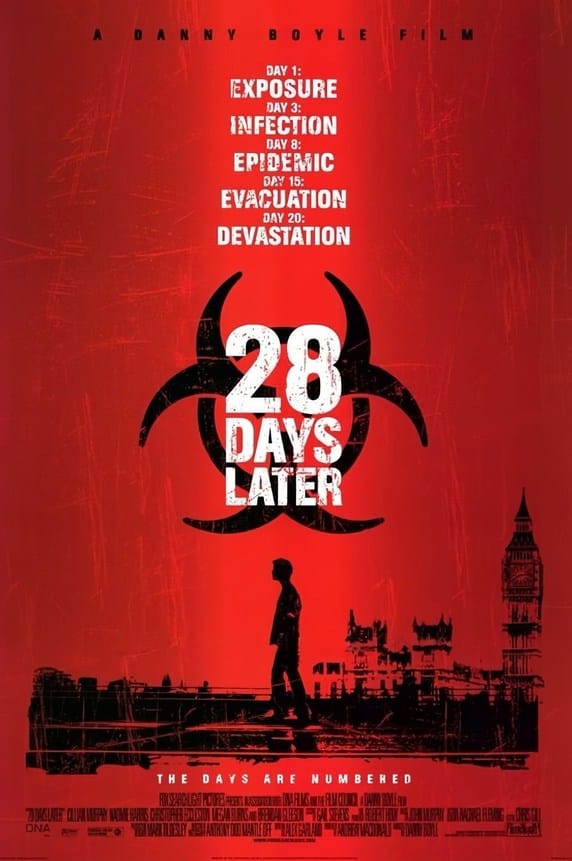
The TL;DR: 28 Days Later (2002) is Danny Boyle and Alex Garland’s genre-defining British outbreak horror that completely resurrected and modernised zombie horror for the 21st century. While its cultural legacy is undeniable and responsible for inspiring everything from The Walking Dead to modern Resident Evil, the film stumbles into an extreme tale of two halves. The final act abruptly abandons the infected in favour of a heavy-handed, farcical “humans are the real monsters” mansion siege that feels jarring and unconvincing. Add in the aggressively ugly, artifact-heavy prosumer MiniDV visual transfer, and it’s a divisive viewing experience today; yet still an essential historical watch for every serious horror fan.
Details: Director: Danny Boyle | Writer: Alex Garland | Cast: Cillian Murphy, Naomie Harris, Christopher Eccleston, Megan Burns, Brendan Gleeson | Runtime: Approx. 113 Minutes | Release Date: November 2002 | Where to Watch: Prime Video / Physical Media
Best For: Horror historians, zombie cinema purists, and fans wanting to experience the groundbreaking origin of modern fast-infected outbreak media.
Worth Noting: Curious about how the film holds up on modern home theater displays? Check out our companion piece on the 28 Days Later Limited 4K Blu-ray Steelbook for a detailed physical media breakdown.
Did You Know: This review serves as Day 1 of our annual marathon! Be sure to check out our full guide to the 31 Days of Halloween 2026 to follow along with every horror review dropping this October.
Is It Scary: The opening act is masterfully unnerving, driven by vacant London vistas and sudden, frantic sprints from hyper-aggressive infected, though the horror deflates significantly once the military drama takes center stage.
Rating: 3.5/5 Stars
(A revolutionary, historically vital outbreak film held back by a messy third act and muddy early-digital visuals.)
Welcome to Knockout Horror. Well, I am 24 years late to this review but, whatever. Today we are opening up our 31 Days of Halloween 2026 feature by taking a look at the iconic outbreak movie 28 Days Later. This is a companion piece to my review of the 28 Days Later Limited 4K Blu-ray Steelbook so go check that out if you are a fan of horror physical media. This is a big one so buckle up.
Table of Contents
Late to The Party… Again
I opened this review reflecting on the fact that I am 24 years late when it comes to reviewing 28 Days Later. I was actually around 7 years late to watching it in the first place.
My fiancee was a big fan and owned the DVD so we watched it together back in 2009. Needless to say, I had heard the hype. This was the fabled film that transformed the zombie genre forever.
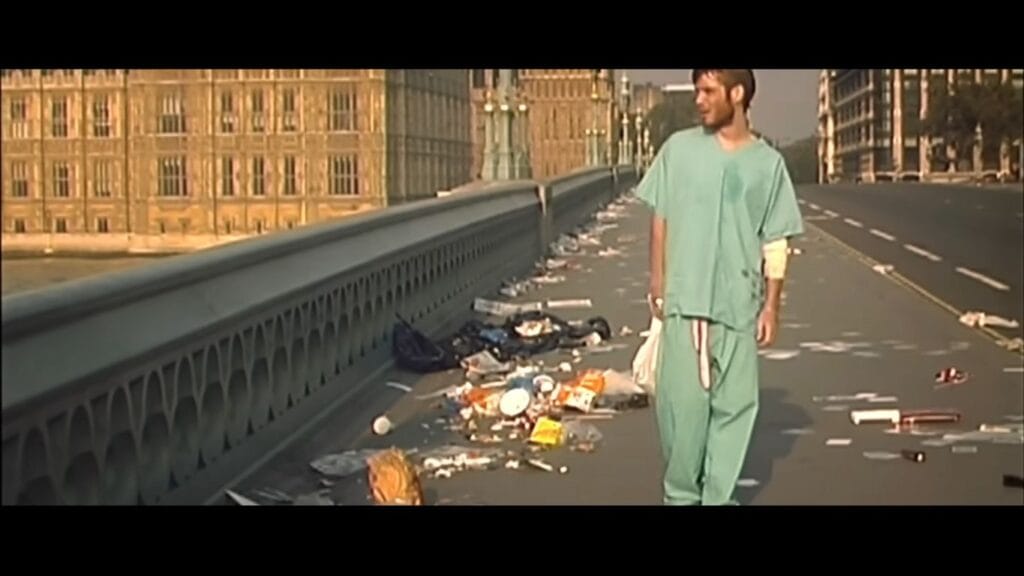
The story follows Jim (Cillian Murphy), a bike courier who wakes up alone in a London hospital after a month-long coma. Exploring the city, he comes to find it completely abandoned.
After a run-in with some crazed lunatics, he is rescued by a pair of survivors who inform him that the entirety of the UK has been overtaken by an infection that transforms people into rage-filled infected. Thus beginning a journey to find salvation and an answer to the virus.
Before we talk about my opinion on this film, I’ll briefly touch on its significance because 28 Days Later changed the game entirely.
A groundbreaking zombie horror movie
When it comes to zombie movies, 28 Days Later is about as important as they come. This is a genre that, by the 90s, was almost completely dead. After the glory days of George Romero’s Of The Dead franchise and its many copycats, the zombie horror became, for all intents and purposes, a toxic asset in Hollywood.

“28 Days Later changed all of that by doing things completely differently.”
The shambling undead were seen as a relic of a bygone era. Grindhouse was done and a litany of Italian rip-offs soured the industry’s opinion on the genre.
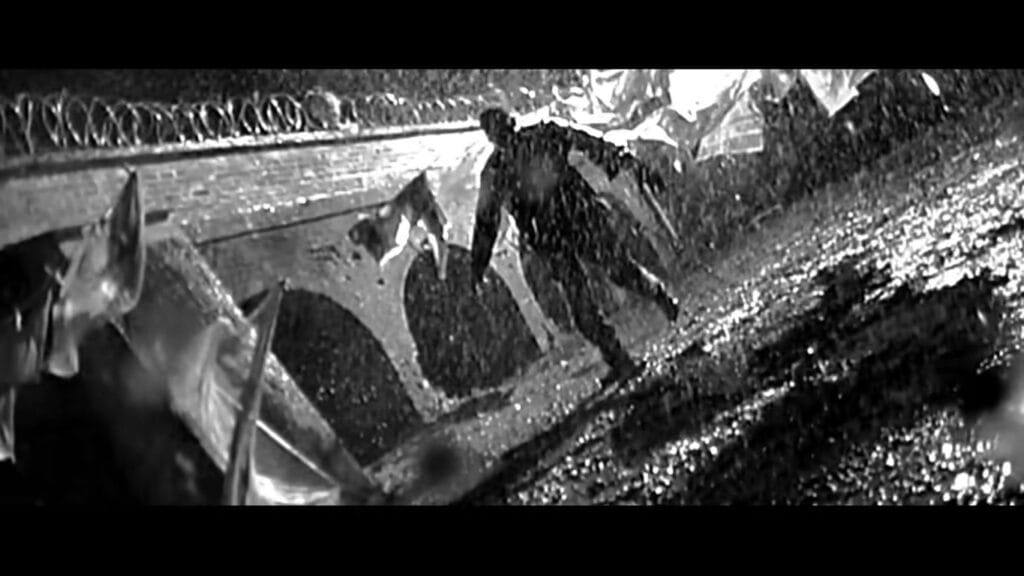
Tom Savini’s fantastic Night of the Living Dead remake bombed at the box office and one of the only 90s noteworthy zombie flicks was Peter Jackson’s Braindead. That only succeeded because it was so damn subversive.
By the mid-90s, it was done. Fans of all things rotting and decrepit would have to rely on video games like Resident Evil and The House of the Dead to get their undead fix.
28 Days Later changed all of that by doing things completely differently.
A completely unique first half
We obviously have to talk about the opening. Those scenes of Jim walking through an abandoned London are some of the most iconic in horror history. They are tense, scary, and terrifyingly uncanny.
There’s something not right about seeing the city in that state and it took a global pandemic to dull that sentiment just a tad. Those early moments perfectly set the scene.
The first half of the movie is, essentially, a survival themed road-trip as the group attempt to make their way to a supposed safe-haven.
It’s absolutely littered with camaraderie, tense moments of excitement, genuinely touching scenes of the group appreciating what they still have, and an endearing set of personalities coping against the odds.
An enormous departure from the norm
For generations that grew up on the Romero style zombie siege structure, it was incredibly refreshing.
“28 Days Later inspired every single zombie media project that followed.”
The survivor group was much smaller than most were accustomed to, but the slow paced and ultra tense first half was still utterly compelling. This wasn’t simply people hiding away from hordes of the undead. It was people actively surviving, and even thriving, against the odds. Outbreak movies simply never felt like this before.
It inspired legions of followers.
When you play a game like The Last of Us, or watch a movie like The Road, or enjoy a television series like The Walking Dead, you have Danny Boyle and writer Alex Garland to thank for bringing the world 28 Days Later. They changed the way zombie media felt forever. It became less about the dead and more about the living.
Hell, play the opening of any Resident Evil game post 2002 and you will immediately recognise the manner in which they all imitate the incredibly scary opening of this film.
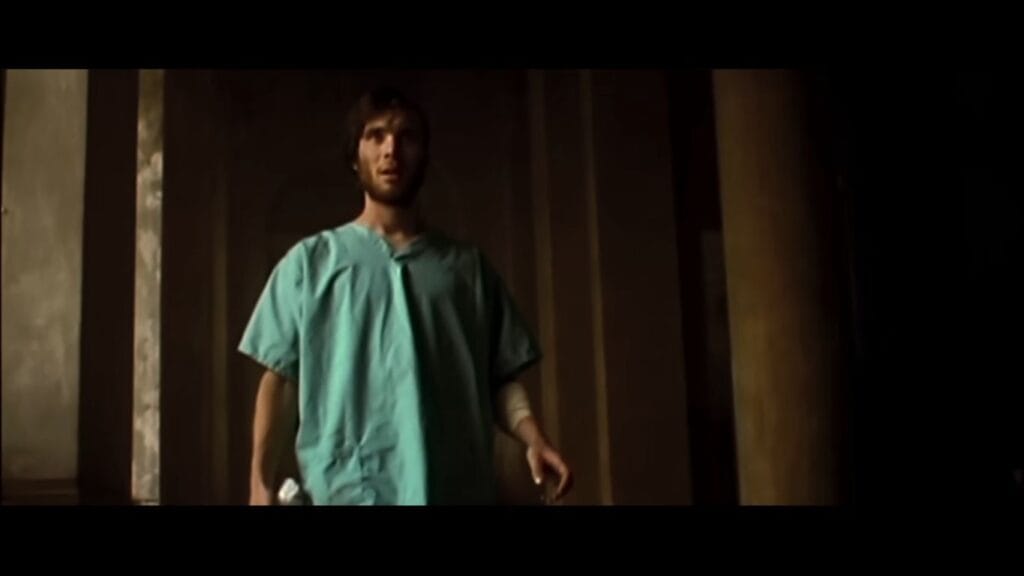
Leon walking through a seemingly abandoned village where something has obviously gone wrong, only to be attacked by fast-moving group of infected in Resident Evil 4? That’s basically the exact sequence that Jim experiences in the opening of this film. They would repeat that in Resident Evil 7, Village, and Requiem, as did many other games.
28 Days Later inspired every single zombie media project that followed.
And then came the infected…
It wasn’t just the terrifying abandoned city, or the survival against the odds road-trip aspect that would catch on, however. It was the infected, too.
When it came to zombie movies, almost universally, the undead were shambling, slow, incompetent, brainless, and not all that scary. People had to go out of their way to have their necks munched on by these guys.
28 Days Later’s infected were nothing of the sort. They were fast, hyper aggressive, completely relentless, and terrifyingly capable. Anthony Dod Mantle’s frenetic camera work made them feel even scarier.
Their glowing red eyes betrayed their one motivation – pure, unadulterated rage. The infection spreads much easier than in similar films, too. Simply by contact with the blood or saliva, as we see with devastating consequences later on in the story.
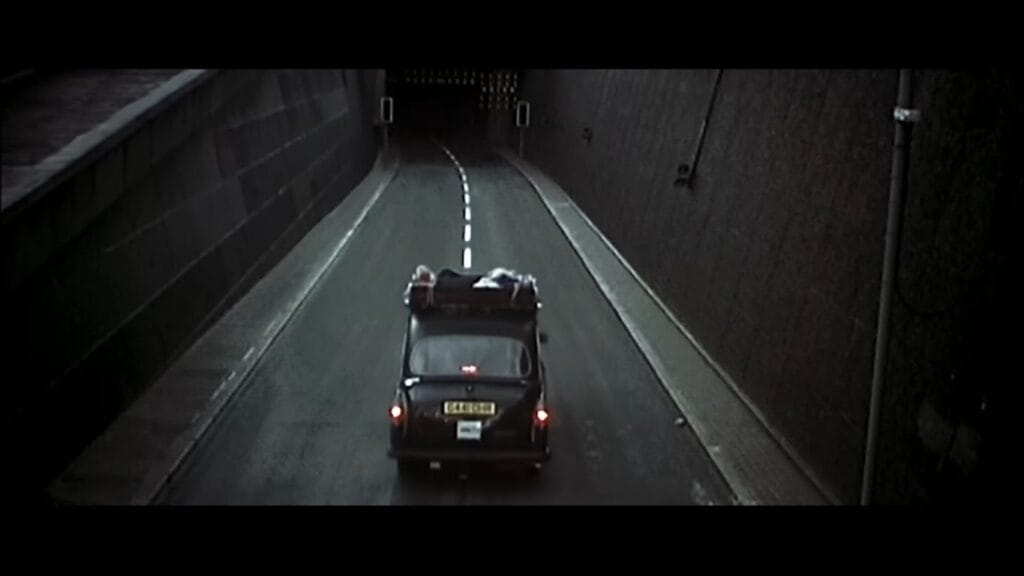
Scenes where a horde of infected are sprinting full speed towards the survivors are legitimately gripping. You’ll be on the edge of your seat hoping they manage to find a way to escape.
The aggressive nature also dramatically impacts the quieter moments, too. There’s something so much more tense about a slow search around an abandoned store when you know the undead can be on a character in mere seconds. This is, at its best, an incredibly tense, unnerving, and scary film.
28 Days Later would, again, change the game because very few zombie projects have ever gone back to the old fashioned style of undead. They are always ultra fast and incredibly capable because that’s exactly how you make zombies scary again.
So… With that being said…
Praise and historical importance aside, why the hell am I about to give this movie a score which might shock people?
Well, not simply to be a contrarian. Remember when I said I watched it in 2009? Well, I really didn’t enjoy it all that much. After recently purchasing and rewatching the 4K Blu-ray Steelbook, my opinion only strengthened.
The first half of 28 Days Later is very well done, but I didn’t feel as though it resonated all that much with me. I can appreciate how important it is to the zombie genre, how effective the horror is, and how much people like it, but, simply put, it isn’t for me.
The second half, on the other hand, is absolutely terrible.
All of the suspense and tension built up in the first half is suddenly pushed to one side, along with the zombies, to engage in a mundane, ultra derivative, completely unoriginal, and frankly quite silly thriller about how humans are the real monsters.
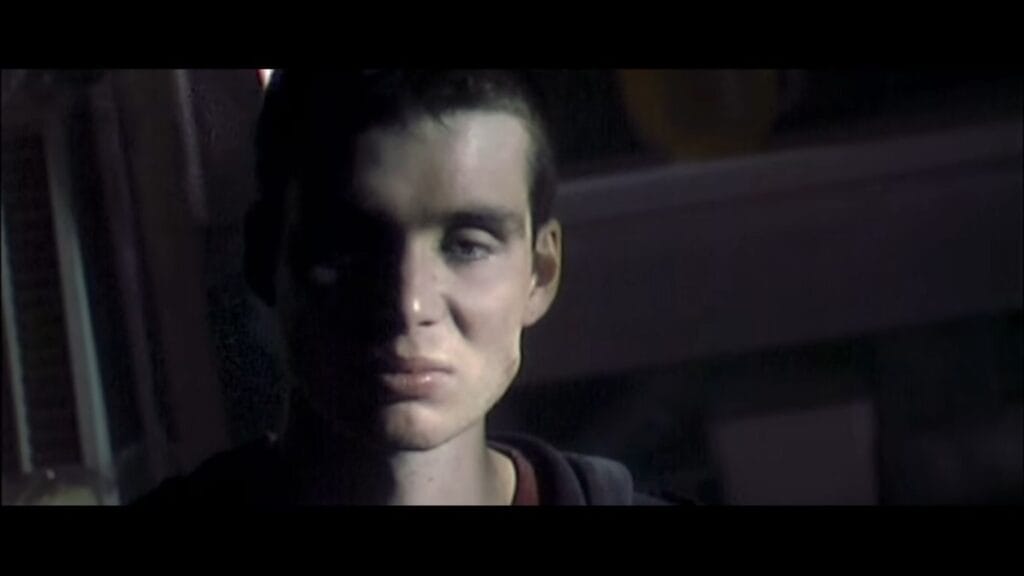
It’s shockingly poor and perhaps one of the most stark examples of a horror movie being a tale of two halves I have ever seen.
Everything is undermined by this narrative switch; from the characters, to the story, to the direction, to the acting performances.
The plot is utterly farcical and the fact that the characters resort to the actions they resort to after only 28 days is unintentionally hilarious. Jim’s turn from hapless courier to topless jungle Commando is laughable, too. I hated every minute of it, to be perfectly honest.
It all comes unglued in spectacular fashion. Back in 2002, this was an attempt at genre subversion but it just feels very out of place and a bit cheap. It’s funny to see that even this part of the film would go on to inspire series like The Walking Dead, though.
How does it hold up?
Let’s take a quick look at this from a modern perspective.
A generation newly exposed to this movie will already be accustomed to the tropes that it created. For better or worse, 28 Days Later set the framework for everything that followed. People who have never watched it are unlikely to appreciate it from that perspective.
It’s the classic “Seinfeld is Unfunny” effect.
They are also going to deal with a lot of Gen X and Millennials telling them how good it is without providing them the context. Especially us Brits who are very proud of this and Shaun of the Dead so don’t shut the hell up about them.
“Even if you don’t enjoy it, I am sure you will be able to appreciate it.”
To younger viewers, this is going to feel like a formulaic film that, outside of the trends it actually created, features derivative horror sequences, a farcical second half, obvious plot turns, and camera work that now feels quite spasmodic and poorly considered.
The fact that Boyle opted to be an early adopter of digital filmmaking on prosumer grade equipment is just another hindrance to enjoyment for younger viewers.
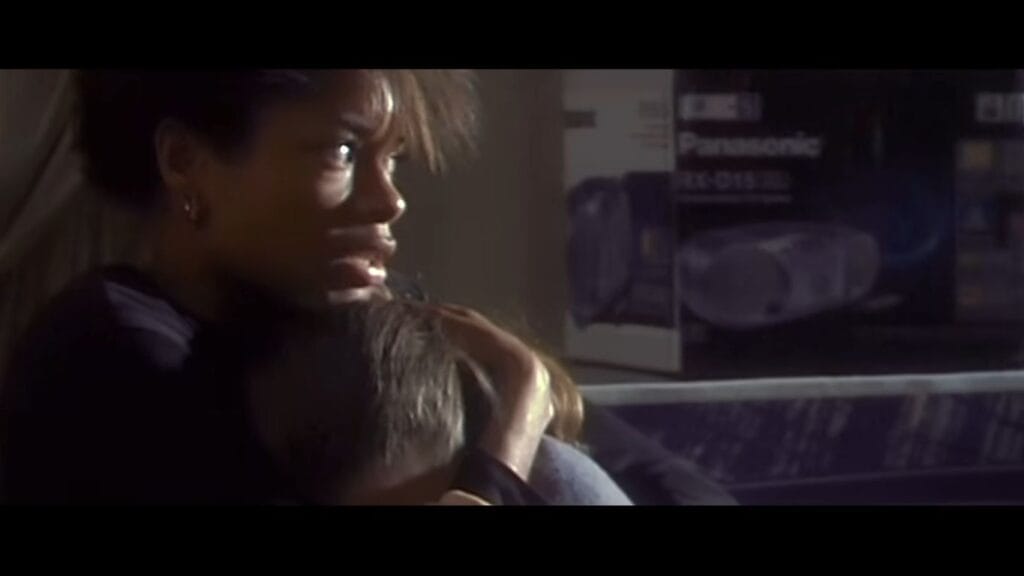
This film looks utterly miserable, despite generally fantastic cinematography. There’s none of the romanticism for early MiniDV that comes with 16mm film or other legacy formats. This just looks plain ugly and I only ever see older viewers giving it a pass because of nostalgia.
The pitiful specs of the Canon XL1 have left a picture that scales up horrifically, features terrible artifacting, obnoxious macroblocking, nasty light bloom, and detailless shadows… and this is referring to the 4K Blu-ray.
It’s still an enormously important film and a must watch
With all of the above having been said, this is still an immensely important film.
What I would suggest to younger viewers is that they try to view the movie as incredibly innovative and, perhaps, look at it as the parent of the zombie media you have grown up with. Try to consider that, back in 2002, this had never been done before and was completely fresh.
It shocked the entire horror world.
I would also suggest that you view it as a great opportunity to see Cillian Murphy before he was an enormous name and Naomie Harris absolutely nailing the bad-ass female lead role. John Murphy’s score is legendary and those early moments of the film are still utterly breathtaking.
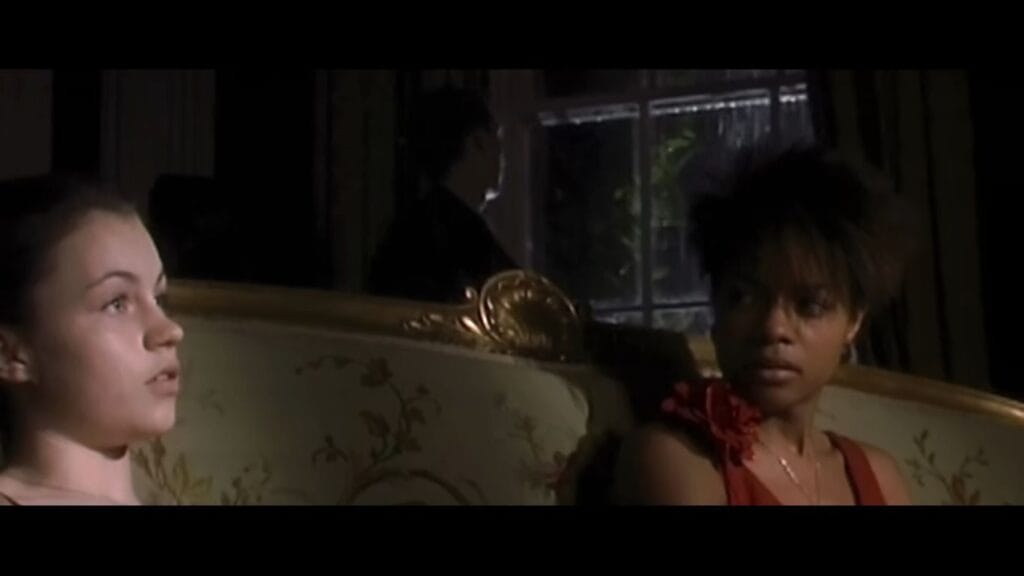
I would also suggest you try to appreciate the cinematography that is, despite the equipment used, often stunning.
I am not a huge fan of 28 Days Later but it is very easy for me to declare it a must watch. If you are a genre fan, you absolutely have to see where this movie changed the game completely. Even if you don’t enjoy it, I am sure you will be able to appreciate it.
The Good
- Groundbreaking Genre Reinvention: Popularised aggressive, sprinting infected and reshaped post-apocalyptic survival storytelling forever.
- Iconic Opening Sequence: Jim wandering through a totally desolate central London remains one of the most haunting setups in horror cinema history.
- Terrific Central Cast: Early breakout turns from Cillian Murphy and Naomie Harris bring emotional gravity and grit to the group dynamic.
- Legendary Musical Score: John Murphy’s “In the House – In a Heartbeat” sets the scene beautifully, throughout.
The Bad
- Jarring Third-Act Melodrama: Sidelines the infected entirely for a ham-fisted military thriller where the rapid character devolution strains credulity.
- Ugly Early-Digital Aesthetic: Shot on standard-def Canon XL1 MiniDV camcorders, leaving blown-out highlights, intense artifacting, and muddy resolution. It’s hideous.
- “Seinfeld Is Unfunny” Syndrome: Because modern pop culture borrowed so heavily from this blueprint, modern newcomers may find the beats overly familiar.
The Ugly: The Canon XL1 digital picture quality on modern displays. While pioneering in 2002, the pixelated macroblocking, harsh digital blooming, and muddy shadows look genuinely rough on high-definition 4K screens today.
Should You Watch 28 Days Later?
Whether you end up loving it or finding it rather flawed, 28 Days Later remains mandatory viewing for anyone interested in modern horror history. Danny Boyle and Alex Garland pulled the zombie subgenre out of the pop-culture graveyard, inventing the modern blueprint for fast-infected outbreak media and delivering unforgettable early-act apocalyptic suspense. Its second-half military detour turns into an absurd, heavy-handed thriller and the early digital MiniDV footage hasn’t aged gracefully on modern displays, but its historical weight and thrilling first hour make it an undeniable must-watch. And that’s coming from someone who doesn’t love the film nearly as much as a lot of people.
You might also like:
- Silent Night (2012) Review – A Brutal and Competent Slasher Remake
- Ratter (2015) Review – A Bare-Bones and Boring Voyeuristic Fumble
- Outpost (2023) review – Isolation horror that isn’t very isolated
- Saint Maud (2019) Ending Explained – The Reality of Maud’s Vision
- Homewrecker (2019) Review – A Cringeworthy and Dull Comedy Horror
Our Scoring Philosophy: A Fair Fight
Horror is a genre that thrives thanks to indie film makers and low budget creators. At Knockout Horror, we firmly believe that every movie that we review deserves a fair fight. That's why we grade on a curve. Our star ratings are all about context, judging a film on what it achieves with the resources it has.
A 4-star rating for a scrappy indie horror made for $10,000 is a testament to its ingenuity and raw power. A 4-star rating for a $100 million blockbuster means it delivered on its epic promises. We don't compare them side-by-side; we celebrate success in every weight class, from the back-alley brawler to the heavyweight champion. Please keep this in mind when considering star ratings.