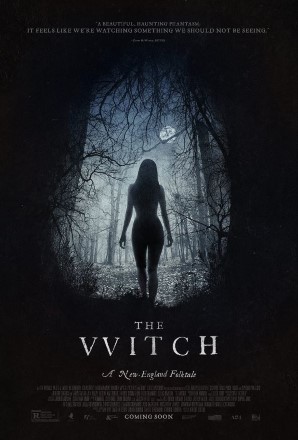
The Verdict: A masterclass in atmospheric dread and historical authenticity that redefined the modern folk-horror sub-genre. The Witch (2015) succeeds by blurring the lines between the supernatural and the psychological, grounding its themes in the very real desperation of 17th-century survival. Robert Eggers’ directorial debut is stunningly confident, utilising meticulous period detail and a chillingly precise script to create a sense of inescapable doom. Anya Taylor-Joy delivers a breakout performance of immense power, perfectly capturing a young woman caught between a crumbling family and a seductive, sinister unknown. This 4.2 star effort is a mandatory watch for fans of sophisticated, high-concept horror. It is a cold-blooded, visionary masterpiece of domestic and supernatural terror.
Details: Director: Robert Eggers | Cast: Anya Taylor-Joy, Ralph Ineson, Kate Dickie | Runtime: 1h 32m | Release Date: 2015
Best for: Fans of slow-burn psychological horror, historical dramas, and those who appreciate atmosphere and subtext over visceral shocks.
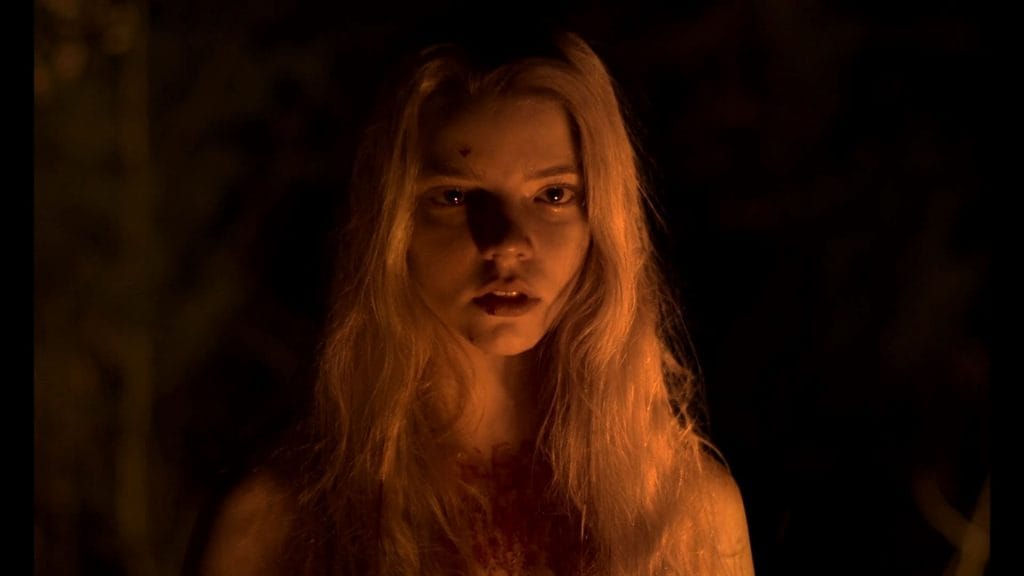
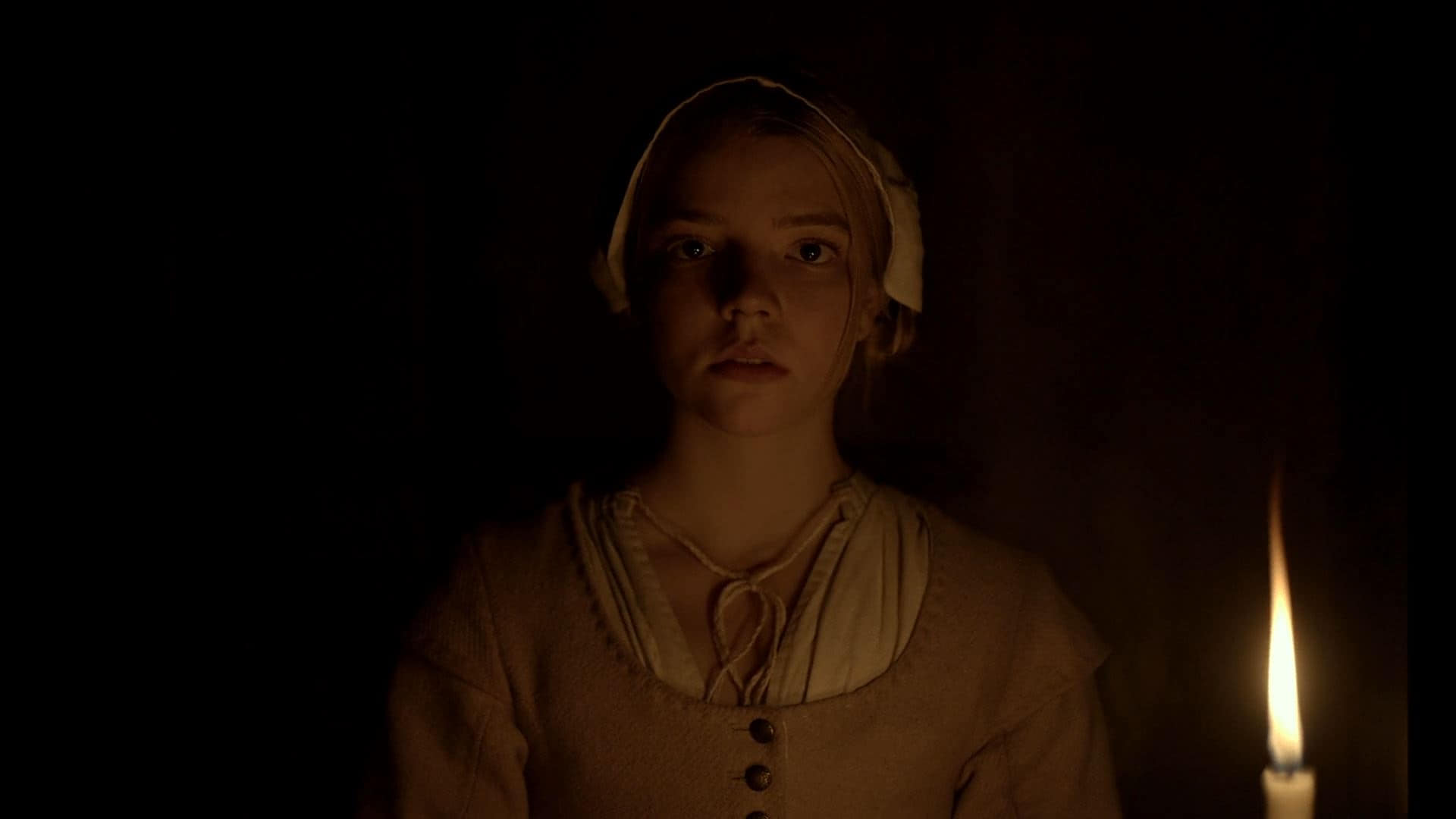
Worth noting: To maintain authenticity, Eggers used only natural light sources and candles for indoor scenes, resulting in the film’s distinctive, shadowy aesthetic.
(A masterfully paced and visually stunning descent into religious paranoia and folk-terror that stands as a modern benchmark for atmospheric horror.)
Welcome to Knockout Horror. Today we are taking a look at Robert Eggers’ phenomenal horror hit The Witch (2015).
Table of Contents
A haunting period horror
A family in 1600s New England are banished from their puritan settlement over a religious dispute. The family, consisting of father William (Ralph Ineson), mother Katherine (Kate Dickie), eldest daughter Thomasin (Anya Taylor-Joy) and son Caleb (Harvey Scrimshaw), as well as young twins Mercy and Jonas, are determined to carry on. They set up home in a rural location and attempt to live off the land. After Katherine gives birth to a son, the child goes missing while under the care of Thomasin. Could it be true that a witch kidnapped Samuel or could this just be the start of the family’s inevitable decline?
“The Witch, though ostensibly a horror movie, almost plays out like an old cautionary fairy tale. It captures the danger that exists when one wanders from the beaten path but stretches it to a grander scale.”
The Witch, though ostensibly a horror movie, almost plays out like an old cautionary fairy tale. The idea of there being something ominous hiding in the woods is a tale as old as time. Fairy tales have been used for centuries to warn people of the dangers that exist when one wanders from the beaten path. The Witch captures this perfectly but stretches it to a grander scale to examine society, sexual desire, familial conflict, and the general struggles of life.
The family here know that the world is hostile but they attempt to work within it. Despite the vast expanses of the landscape around them, everything feels incredibly claustrophobic. Nowhere is safe and the ground at their farm is barren. They are essentially trapped and unable to escape their terror. All they can do is attempt to endure a slow decline but life is conspiring to only make matters worse. This is where the supernatural and the mundane everyday collide to create a modern classic folk-horror.
More than just a supernatural horror movie
At its heart, this is an exploration of domestic decline set against a backdrop of horror. Sure, we have the whole implication that a witch lives in the woods and there are supernatural happenings afoot. But it is the very real everyday stuff that is causing the family the majority of their problems. Whether it is the young twins lying about their older sister, a son who is experiencing a sexual awakening without an outlet, abject poverty, or a husband and wife who are crumbling under the stress.
The Witch is a domestic horror as much as it is a supernatural one. It’s actually the family’s belief system that places them in this situation and leads it to become increasingly worse. Eggers expertly uses the family’s religious ideals to blur the lines between what is real and what is in their heads. He also uses it to place them in an endless cycle of decline.
“The period setting established the family’s belief structure and adds a sense of authenticity. The fear of witches, and the unknown, was all too real for people back then.”
This is a puritan family who believes in the devil and has every reason to suspect their own daughter of witchcraft. They literally can’t escape the hell they have found themselves in. The period setting of the 1600s establishes the family’s belief structure and adds a sense of authenticity to the character’s reactions. The fear of witches, and the unknown, was all too real for people back then.
On top of this, the family are banished from their community. There is no help and nowhere for them to run to which adds a sense of desperation to everything the family go through. In our modern world, it might not be easy to relate to the characters in The Witch but you can sympathise with their plight.
Is it scary?
This is perhaps the biggest question of all regarding a horror movie. I think the answer, to be honest, is not particularly. I absolutely love The Witch but it doesn’t really offer up any major scares. There are a few scenes that will likely frighten a few viewers but the movie relies far more on tension than outright horror. The things the family experience are terrifying in and of themselves. The desolate area they live in and the forest next to it are extremely foreboding but the scares are minimal.
Like most folk horror, it is the concept that is scary rather than the things we see on screen. You are watching a group of people come apart at the seams in the most visceral way possible. The horror is in their rapid unraveling and the consequences of it. Sure, the implication of supernatural stuff always lingers but everything that happens here could be easily ascribed to the family’s living situation as anything witch or devil related.
In that respect, you could make the argument that The Witch is barely a horror movie at all. I think, in my opinion, it is many different things. It is a period drama; it’s a mystery; it’s a little bit of a thriller; and it is a little bit of a folk fairy tale. If you demand scares to class something as a horror, you may be disappointed but it is, at its heart, a horror story. Sure, it is not a very scary horror, but how many horror movies are legitimately scary?
Stunningly filmed
Cinematographer Jarin Blaschke decided to film The Witch in a 1.66:1 aspect ratio which lends the movie a very antiquated look. You do not see a lot of movies that look like this nowadays and it will likely stand out straight away to people who watch mainly modern media. Somehow the black bars at the side of the image feel almost as old as the period the movie was set in. It’s funny how quickly filming standards have changed. With this being said, however, The Witch looks truly stunning.
Closeup shots of characters look fantastic with the larger vertical aspect helping to frame characters perfectly. Forest scenes are particularly imposing. The limited horizontal shot making the trees feel as though they are closing in on the characters.
“You should absolutely watch The Witch. It’s one of the most significant folk horror movies of recent times; a great movie, both beautiful and haunting.”
Night time scenes are claustrophobic and foreboding as the dimly lit characters are lost in the narrow blackness of the lens. It’s all very beautiful to look at. Jarin Blaschke would go on to work with Eggers again on The Lighthouse. He was also head of photography on M Night Shyamalan’s Knock at the Cabin.
An acting tour de force
Viewers from the UK will likely recognise a face or two from The Witch. Ralph Ineson has been acting in British drama series since the late 90s and Kate Dickie has been around since the 2000s. Both put on absolutely tremendous performances that stand out for their authenticity. They are both incredibly believable as pious English people living in a strange land and trying to survive.
The standout performance here, however, is Anya Taylor-Joy in her first credited acting roll. It is her performance here that opened the eyes of people in the industry and for good reason. She is entirely believable as Thomasin. Taylor-Joy perfectly encapsulates the turmoil of a young woman facing a number of horrific accusations. All while trying to help her family as much as possible. It’s a powerful performance and one that deserves a lot of praise. Especially considering her lack of acting experience at the time.
It should be mentioned that some may struggle with the accents here and the audio mix can be a problem. Ralph Ineson, in particular, can be difficult to understand. His thick Northern English accent is thicker than ever here. He has a deep voice, as well, and the sound mix does him no favours. It makes him difficult to understand at times. This is Eggers’ style and he would do the exact same in The Lighthouse.
The Good, The Bad & The Ugly
The Good
Anya Taylor-Joy: Delivers an incredible debut performance that carries the emotional weight of the film with maturity and poise.
Atmospheric Immersion: The combination of natural lighting, authentic dialect, and period-correct sets creates a world that feels chillingly real.
Sophisticated Horror: The film relies on psychological decay and mounting dread rather than jump-scares, making the payoff far more impactful.
The Bad
Dialect Challenges: The authentic 17th-century speech patterns, combined with Ralph Ineson’s deep voice, can be difficult to understand at times.
Slow Burn: The very deliberate pacing may frustrate viewers who are looking for a more traditional, fast-paced supernatural slasher.
Minimal Scares: Those who define horror by the number of visceral frights may find the film’s conceptual approach a bit tame.
The Ugly: Black Phillip. The final transformation of the family’s farm animal into a symbol of ultimate temptation remains one of horror’s most unsettling reveals.
Should You Watch The Witch?
Yes. It is a 4.2 star film that serves as a modern foundational text for the folk-horror genre. If you appreciate films that explore the dark corners of the human psyche and the dangers of extreme isolation, this is essential viewing. While its slow speed and heavy dialogue are barriers for some, the technical brilliance and the story’s haunting conclusion are more than worth the investment. It is an artful, disturbing, and profoundly memorable experience.
Horror is a genre that thrives thanks to indie film makers and low budget creators. At Knockout Horror, we firmly believe that every movie that we review deserves a fair fight. That's why we grade on a curve. Our star ratings are all about context, judging a film on what it achieves with the resources it has.
A 4-star rating for a scrappy indie horror made for $10,000 is a testament to its ingenuity and raw power. A 4-star rating for a $100 million blockbuster means it delivered on its epic promises. We don't compare them side-by-side; we celebrate success in every weight class, from the back-alley brawler to the heavyweight champion. Please keep this in mind when considering star ratings.
Richie
Lifelong horror fan and reviewer. Richie is the founder of Knockout Horror and Ranking Horror (where he writes as Richie Ranks). Specialises in honest, conversational reviews, curated horror movie lists, and clear explanations of horror movie endings designed specifically for both neurodivergent and busy minds. Richie has been curating horror lists and reviewing films since 2019. His work focuses on unearthing hidden gems on Tubi, spotlighting indie horror, and decoding the most confusing movie endings.
Takashi Miike delivers a shocking and profoundly disturbing classic with Audition. A slow-burn drama that transforms into a visceral nightmare of retribution.
We review House on Eden (2025), a new found footage horror starring social media titans Kris Collins (KallMeKris) and Celina Myers (CelinaSpookyBoo). Is this just a vanity project, or does it deliver genuine scares for fans of YouTube paranormal investigations? Find out in our full review.
Tim Burton returns to his roots with Frankenweenie, a stop-motion expansion of his 1984 short. Is this black-and-white homage the perfect family Halloween treat?
M. Night Shyamalan delivers an atmospheric and beautifully shot period drama with The Village. A star-studded cast carries this divisive and tension-filled tale.
Robert Cuffley returns with Romi, a high-tech horror about an AI assistant with a sinister secret. Is it a futuristic thriller or just a monotonous paranormal bore?
Manage Consent
To provide the best experiences, we use technologies like cookies to store and/or access device information. Consenting to these technologies will allow us to process data such as browsing behaviour or unique IDs on this site. Not consenting or withdrawing consent, may adversely affect certain features and functions.
Functional
Always active
The technical storage or access is strictly necessary for the legitimate purpose of enabling the use of a specific service explicitly requested by the subscriber or user, or for the sole purpose of carrying out the transmission of a communication over an electronic communications network.
Preferences
The technical storage or access is necessary for the legitimate purpose of storing preferences that are not requested by the subscriber or user.
Statistics
The technical storage or access that is used exclusively for statistical purposes.The technical storage or access that is used exclusively for anonymous statistical purposes. Without a subpoena, voluntary compliance on the part of your Internet Service Provider, or additional records from a third party, information stored or retrieved for this purpose alone cannot usually be used to identify you.
Marketing
The technical storage or access is required to create user profiles to send advertising, or to track the user on a website or across several websites for similar marketing purposes.