Nightmare Radio: The Night Stalker (2023) Review – A Disconnected Anthology
Nightmare Radio: The Night Stalker: Quick Verdict
The Verdict: A highly uneven and fragmented anthology that struggles to justify its own existence. Nightmare Radio: The Night Stalker succeeds in providing a platform for a few standout shorts, most notably Lorcan Finnegan’s atmospheric Foxes, but fails to create a cohesive viewing experience. The “Night Stalker” wrapper story is particularly weak, featuring uninspired dialogue and a lack of genuine tension that makes the transitions feel like a chore rather than a bridge. While the individual quality of the segments ranges from legitimately haunting to painfully derivative, the lack of a unifying theme results in a 2.5 star experience that feels more like a random YouTube playlist than a curated film. It is a passable watch for those looking for bite-sized horror, but it pales in comparison to more polished anthologies like A Christmas Horror Story.
Details: Directors: Carlos Goitia (Wrapper), Lorcan Finnegan, Nathan Crooker, et al. | Cast: Paula Brasca, Agustin Olcese | Runtime: 1h 25m | Release Date: 2023
Best for: Fans of short films who don’t mind a lack of narrative flow and viewers looking for a low-stakes “background” horror.
Worth noting: Many of the shorts featured in this anthology have enjoyed successful runs at international film festivals years prior to being included in this collection.
Where to Watch: Amazon🛒, Tubi
Rating: 2.5/5 Stars
(A few strong individual shorts, but let down by a disjointed structure and weak connecting story.)
Welcome to Knockout Horror. Today we are reviewing Nightmare Radio: The Night Stalker from 2023.
Highlights
Anthology horror strangeness
Nightmare Radio: The Night Stalker is actually quite different from what you would imagine from a Tubi anthology. This is a movie that takes a bunch of shorts from experienced directors and wraps them up with a connecting story. Much in the same way as Christmas anthology horror movie A Christmas Horror Story does.
Whereas the segments in the aforementioned A Christmas Horror Story were made for that specific movie, the shorts here are not. They already exist, are already well known and have been around for a while.

We have Lorcan Finnegan’s (Without Name, Nocebo) Foxes from 2011; Nathan Crooker’s (#NoFilter) Playback from 2015; and David M. Night Maire’s Chateau Sauvignon: terroir among others. Naturally, with this type of presentation, you are going to be seeing a number of different direction styles with different aspect ratios and different, somewhat disconnected, themes. The question is, does it work? Well, the short answer here would be “sort of”. It sort of works. Some of the individual stories are competent enough but to say they are loosely gelled together would be an understatement.
Loosely connected stories
In fact, the only thing these stories share in common is that they could, generally, be considered to be horror. There is no other overriding theme at all. The way Nightmare Radio gets around this is via its connecting story — Carlos Goitia’s The Night Stalker.
“The only thing these stories share in common is that they could, generally, be considered to be horror. There is no other overriding theme at all.”
A horror fanatic radio show host presenting an early hours broadcast requests viewers to contact the show to relate their scariest stories. The individual segments are portrayed as being the real-life experiences of the people that phoned in.
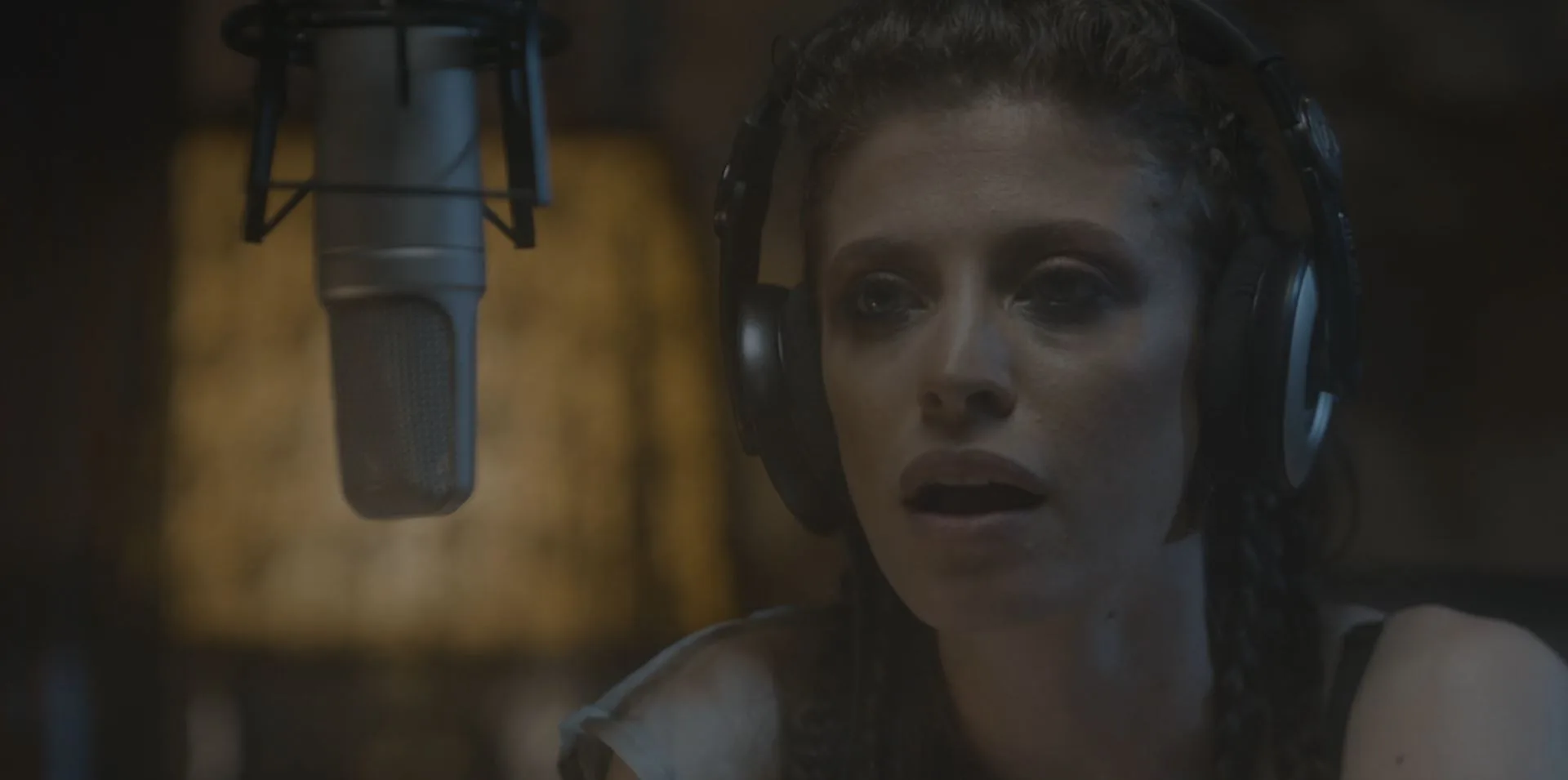
Meanwhile, a creepy dude repeatedly calls in to the show insinuating that he has some connection to the host. Hence the “stalker” part of the title. It’s a story that isn’t particularly effective and does little to inspire fear or, even, interest. The dialogue here feels silly and the interactions between the main character and her stalker are poorly fleshed out.
To be honest, it is difficult to offer up much in the way of praise to this approach. It feels cheap; the connecting story isn’t particularly interesting and the various segments feel very disconnected. Whereas A Christmas Horror Story does the same sort of thing, all of the stories take place within the same world and within the same location. Nightmare Radio suffers for how loosely put together it all feels. Naturally, that begs the question of how well the individual segments hold up. The answer is somewhat mixed.
A few effective segments
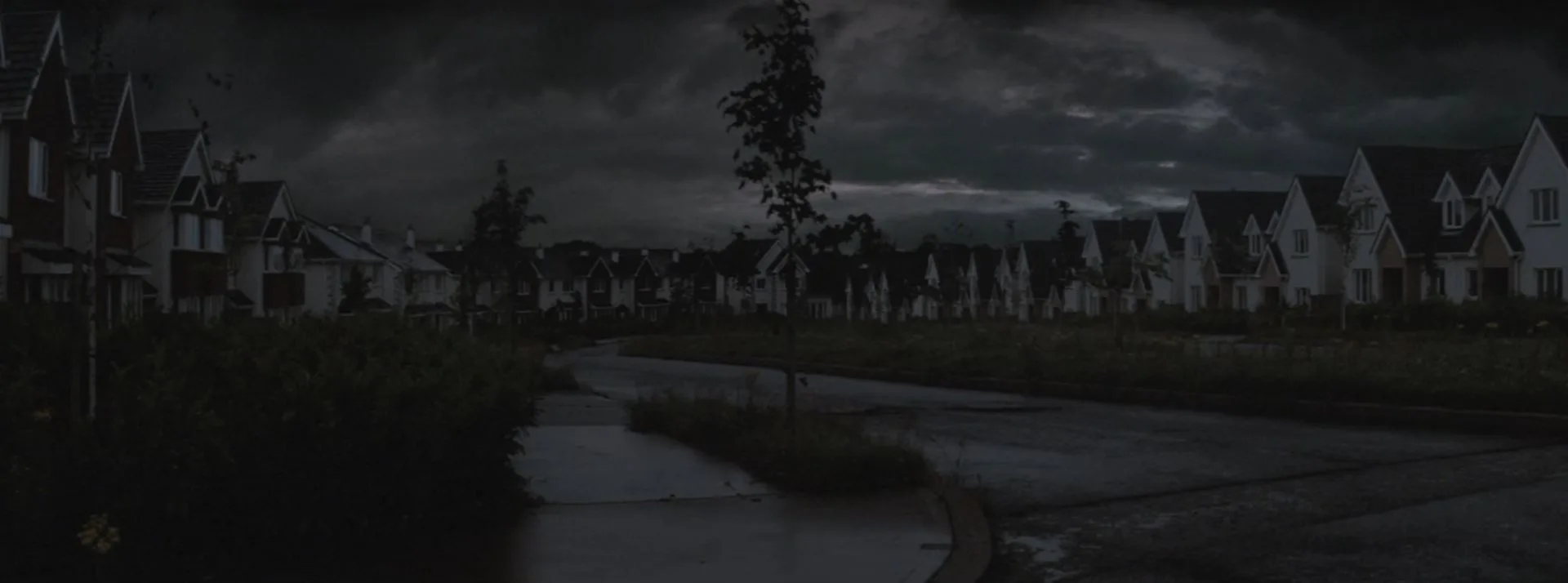
There are a few segments here that are, legitimately, pretty good. Lorcan Finnegan’s Foxes is a haunting exploration of loneliness, isolation and hopelessness set against a backdrop of ominous, atmospheric gloom. Feeling every part the depressing vision of dull, mundane, every day life after a person gives up on their dreams. It follows the story of a couple’s new life turning to a domestic nightmare and a woman’s desire to be free. It’s very effective and could likely work well as a feature length movie.
Chateau Sauvignon: terroir is a fun little, Sweeney Todd-esque, tale of a young boy’s willingness to do whatever it takes to help his ailing mother and struggling family. Featuring an interesting plot and some fantastic gore. It’s a decent watch and, once again, could hold up to the full length feature treatment.
“Lorcan Finnegan’s Foxes is a haunting exploration of isolation set against a backdrop of atmospheric gloom. It could likely work well as a feature-length movie.”
Liz Drives rounds up the decent segment list with its clever story of why it’s not always best to assume the worst. Mia Kate Russell presents us with a self contained story of paranoia and tragedy that takes the viewer on a short but effective roller coaster ride. Each of these segments succeed by not trying to do too much. They are simple and effective. The other segments, not so much.
And a few bad segments
Adam O’Brien’s Insane is a ghost story set in an abandoned hospital that is, pretty much, a facsimile of every other abandoned hospital ghost story ever. Following the story of a movie director scouting for a location for his next movie only to get much more than he bargained for. It is fairly atmospheric in parts but altogether too long and very guilty of some terribly hokey special effects and a predictable outcome.
Ryan Thompson’s Play Time is an incredibly short and extremely highly strung horror affair featuring a woman attempting to turn off a television. Only to find it repeatedly switching back on with increasingly terrifying results. For something that lasts a few minutes, Thompson has managed to cram hundreds of horror clichés into this short including spooky dolls, flashing lights, television static and scary apparitions. It’s highly unoriginal and very derivative.
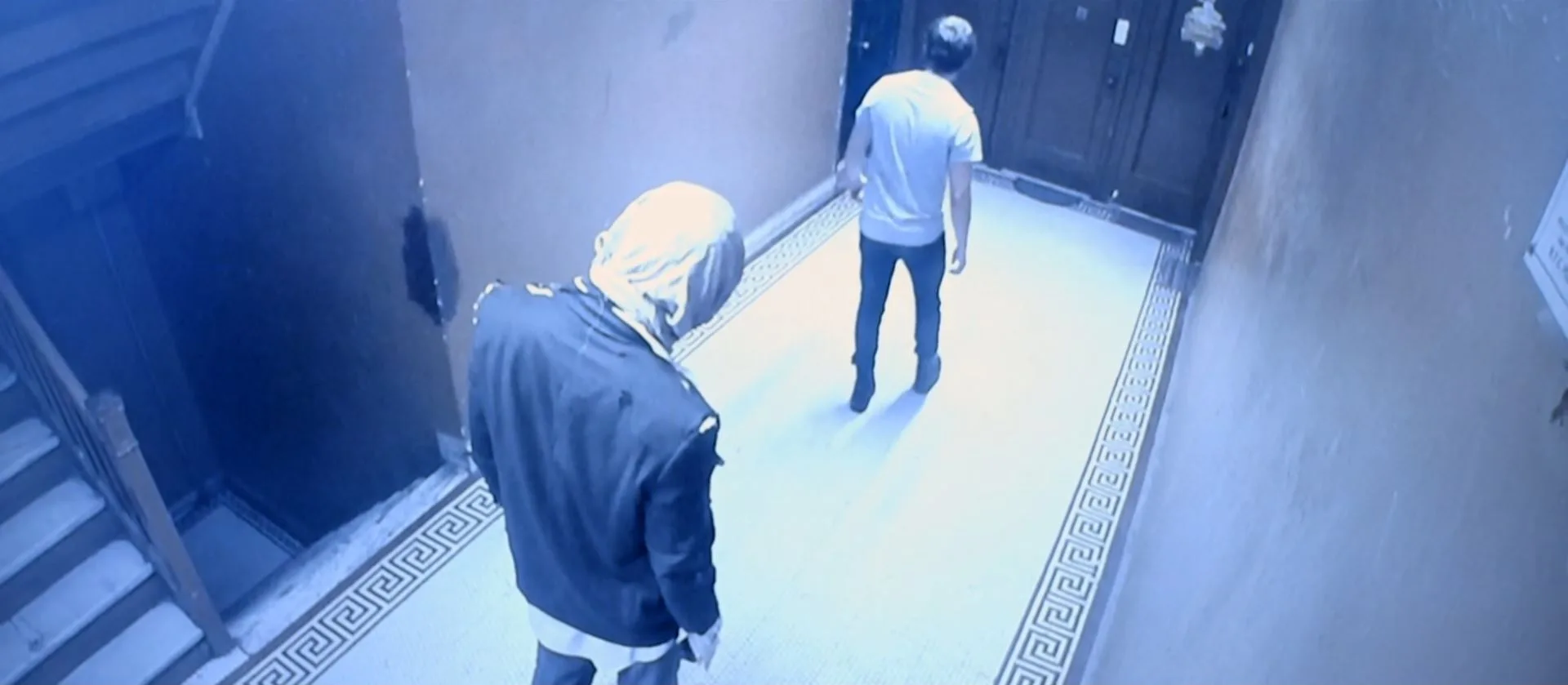
Nathan Crooker’s Play Time is a rather mundane affair that sees a man witnessing a brutal murder in his apartment block play out on his television. Prompting him to investigate. This one feels more like the seed of an idea rather than a full blown story. It is poorly fleshed out, uneventful, and just feels a bit pointless. All of these segments leave a lot to be desired and feel like padding, at best.
Generally uneven
Anthologies are always a bit uneven. It is rare that you watch one that features predominantly decent segments. Nightmare Radio: The Night Stalker is no different. It simply falls foul of all of the problems anthology horror normally fall foul of. Only with a few extra issues to boot due to its lacklustre connecting segment.
“It seems a bit cheap and very disconnected. Like a director simply purchased the rights to a bunch of short movies and wove them together with an interconnecting tale.”
Acting is generally fine throughout with no segment featuring any notably terrible performances. Agustin Olcese is pretty cheesy as stalker Jack. Delivering an uneven voice performance and a physical performance that does little to inspire dread. Paula Brasca as radio host Candy really tries her best in what is a rather boring role. Nothing really stands out for being overtly terrible, though.

All segments feel fairly low budget but not glaringly so. With Lorcan Finnegan’s Foxes obviously doing the best job of demonstrating a truly creative director. Hinting at the interesting visuals and fascinating stories he would helm in the future. Everything else just feels very milquetoast; not particularly memorable and unlikely to stick with you for very long.
The Good, The Bad & The Ugly
The Good
- Standout Shorts: Foxes and Chateau Sauvignon are high-quality pieces of filmmaking that offer genuine atmosphere and creative gore.
- Variety: The inclusion of various directors means the film offers a wide range of visual styles and horror sub-genres.
- Painless Runtime: At 85 minutes, the film moves quickly enough that the weaker segments don’t overstay their welcome.
The Bad
- Wrapper Segment: The connecting story is dull, poorly written, and does absolutely nothing to enhance the individual shorts.
- Lack of Cohesion: There is no thematic thread tying these stories together, making the entire production feel like a random compilation.
- Derivative Clichés: Several segments rely on “Copy-Paste” horror tropes like abandoned hospitals and spooky dolls without adding anything new.
The Ugly: The Special Effects in “Insane.” The jarringly low-budget digital effects in the hospital segment strip away any atmosphere the short had managed to build.
Should You Watch Nightmare Radio: The Night Stalker?
Only if you are a fan of horror shorts and can tolerate a lot of “hit or miss” content. It is a 2.5 star anthology that feels very much like a budget-conscious Tubi original. While there are gems to be found here, particularly from directors like Lorcan Finnegan, you have to wade through a lot of mediocrity and a boring wrapper story to find them. It’s a decent choice for a casual night in, but far from essential viewing.
Our Scoring Philosophy: A Fair Fight
Horror is a genre that thrives thanks to indie film makers and low budget creators. At Knockout Horror, we firmly believe that every movie that we review deserves a fair fight. That's why we grade on a curve. Our star ratings are all about context, judging a film on what it achieves with the resources it has.
A 4-star rating for a scrappy indie horror made for $10,000 is a testament to its ingenuity and raw power. A 4-star rating for a $100 million blockbuster means it delivered on its epic promises. We don't compare them side-by-side; we celebrate success in every weight class, from the back-alley brawler to the heavyweight champion. Please keep this in mind when considering star ratings.
Support the Site Knockout Horror is a participant in the Amazon Services LLC Associates Program. Basically, if you click a link to rent or buy a movie, we may earn a tiny commission at no extra cost to you. As an Amazon Associate, I earn from qualifying purchases. This helps keep the lights on and the nightmares coming. Don't worry, we will never recommend a movie purely to generate clicks. If it's bad, we will tell you.
Disclaimer: Images, posters, and video stills used in this review are the property of their respective copyright holders. They are included here for the purposes of commentary, criticism, and review under fair use. Knockout Horror makes no claim of ownership and encourages readers to support the official release of all films discussed.