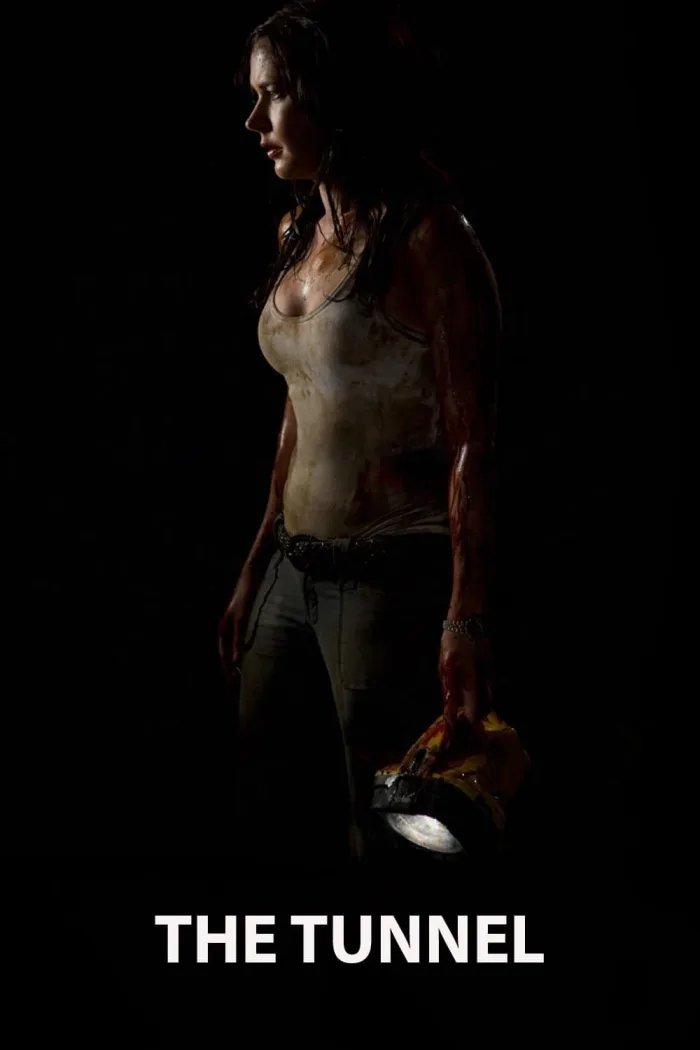
The Tunnel (2011) Review – A Claustrophobic Aussie Mockumentary Gem
The Tunnel: Quick Verdict
The Verdict: A highly effective and genuinely unsettling mockumentary that proves Australian horror is a force to be reckoned with in the found footage genre. The Tunnel succeeds by grounding its supernatural elements in a realistic, investigative framework, building tension through a subterranean setting that is masterfully claustrophobic. While it owes a debt to Lake Mungo for its documentary structure, it carves out its own identity through its oppressive atmosphere and believable performances. It is a 3.5 star experience that prioritises dread over cheap thrills, even if it leaves several significant plot points frustratingly unresolved. For fans of the genre, it is an essential watch that showcases how innovative marketing and authentic storytelling can elevate a low budget production into a viral masterpiece.
Details: Director: Carlo Ledesma | Cast: Bel Deliá, Andy Rodoreda, Steve Davis, Luke Arnold | Runtime: 1h 34m | Release Date: 18 May 2011
Best for: Fans of Lake Mungo, lovers of claustrophobic survival horror, and anyone who appreciates found footage that prioritises realism.
Worth noting: The film gained international fame for its “135k project” where fans bought individual frames of the film to fund its production.
Where to Watch: Amazon🛒, Shudder
Rating: 3.5/5 Stars
(Authentic mockumentary style, fantastic location, lingering loose ends)
Welcome to Knockout Horror. It’s time for another Aussie found footage movie, today. The Tunnel (2011) takes the same mockumentary approach used in the brilliant Lake Mungo and tells its own story of a tunnel network that hides a dark secret.
Table of Contents
A genius marketing stroke
After the government abandons a plan to supply cold water through a network of abandoned tunnels without giving an explanation. A group of reporters begin to investigate the reasons why. Rumours of homeless people disappearing in the tunnels prompts Natasha (Bel Deliá) to take her crew into the very tunnels themselves. The movie plays out like a documentary featuring interviews with the team of reporters and footage of what took place. Again, think Lake Mungo but with a little more focus on the news investigation itself rather than the interviews etc.
“Found footage is much maligned but I also feel like it is the home of some serious horror movie making innovation and this film is no exception.”
It goes without saying that if you dislike found footage horror and mockumentaries, The Tunnel won’t change your mind. In fact, I can’t think of a single movie that will. But if you are a fan of the genre or are just not that picky, this is a great option. Found footage is much maligned but I also feel like it is the home of some serious horror movie making innovation and this film is no exception.

The Tunnel was the subject of a rather bespoke marketing campaign that consisted of frames from the movie being sold for $1 each. This won the movie an AIMIA award for Best Use of Social Media. And also propelled the movie to popularity around the world via the medium of Bittorrent. With a copy of the movie being seeded on the platform and shared to millions of people. This is one of those movies that had a legion of fans before it even hit mainstream release. This is the type of innovation that is so common in found footage and so easy to appreciate.
Effective found footage horror
Outside of interesting marketing campaigns and viral popularity. The Tunnel is simply a movie that does a lot of things right. There is a strong focus on build up here and setting the scene. Nothing is rushed here with plenty of focus given to the potential government cover up that is hiding something sinister. And the investigation that takes place into this.
For the majority of the running length, this is an almost investigate mystery movie. With characters digging deeper and more information slowly coming to light.
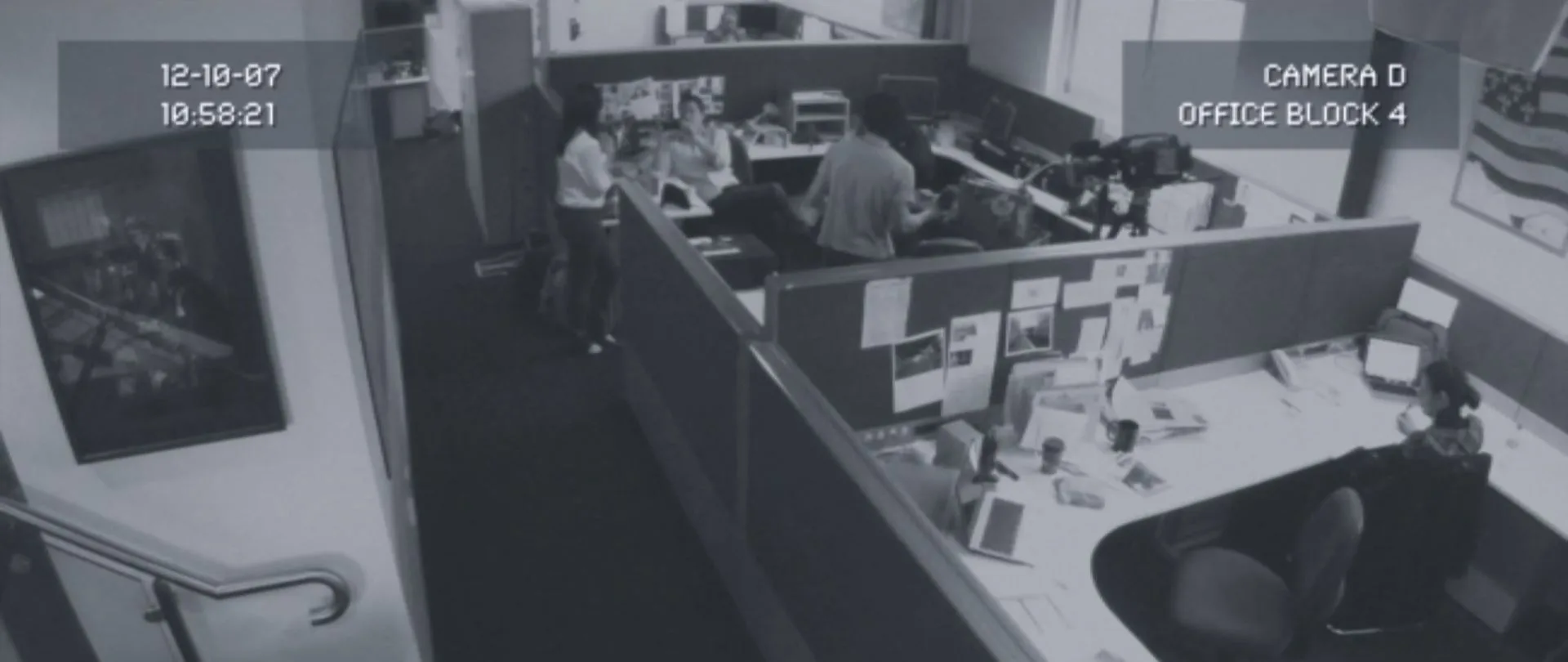
A chance encounter with a homeless person who is seriously disturbed by what he has seen in the tunnels pushes the crew forward even further. Eventually they find themselves investigating the actual tunnels themselves and this where the horror ramps up. All of a sudden the investigation is pushed to one side and we have ourselves a movie that could best be described as The Descent lite. The dark, claustrophobic, tunnels become hell on earth for our cast. And it’s these tunnels that are actually the real star of the show here.


A brilliant location
Found footage lacks in a lot of areas that other horror movies don’t. Special effects, story and scope being a few of those. Carlo Ledesma manages to make up for many of these shortcomings by setting much of the action here in a legitimately creepy and claustrophobic underground maze of tunnels. Whereas the earlier parts of the movie that focus on the investigation and interviews feel both effective and very authentic. It’s the tunnels themselves that really stand out.
They are suitably dark and intimidating while also having a somewhat endless feel. The constant changes of direction and consistently narrow passages that feel like they are closing in on the cast members. Afford the movie a sort of vagueness that has you questioning time and continuity. It’s a nice touch and works extremely well.
“They are suitably dark and intimidating while also having a somewhat endless feel. The constant changes of direction afford the movie a sort of vagueness.”
We spend an awful lot of time beneath the ground, as well, with the movie not hanging around to get to the exploring. Numerous different rooms litter the tunnels, with toilets, bunk beds and shelters hinting at a history buried inside these subterranean caverns that has been long hidden.
The sound production adds to the fear. With characters capturing unheard voices and screams on their recording equipment. Playing it back and presenting it to the viewer as just another horrifying part of the mystery. It is legitimately tense stuff and extremely effective.
Surprisingly realistic
Where The Tunnel really excels, however, is in its unrelenting desire to present the movie as fact. Nothing here is done with any hint of irony. The story is written in such a way as to make it almost believable. The mystery at the heart of it is one that only people who had been deep into the tunnels would know anything about. And anyone connected to the event is portrayed as being either horrified by what they have seen or simply unable to talk about it. Lending the movie a sense of realism that many other horror films would be envious of.

A lot of what we see is mundane and inconsequential. But as time goes on and the characters get deeper into the tunnel network. Things only become more and more foreboding. And the movie never once lets up on the realistic presentation and the reactions of the characters. All great found footage horror does this.
Lake Mungo and Exhibit A stand out for their dedication to the very same way of telling a story. And the shaky camera style and rough method of filming only make it even easier to buy in to what is taking place. The commitment to a realistic presentation adds to the vulnerability of our cast and adds tremendously to the scares.
Decent acting and direction
Acting is fantastic, pretty much, throughout. With everyone being extremely believable and giving it their all when the movie calls for it. Bel Deliá and Andy Rodoreda, as Natasha and Peter, are particularly noteworthy for their tense and believable relationship.
“Acting is fantastic, pretty much, throughout. With everyone being extremely believable and giving it their all when the movie calls for it.”
Direction is decent with both the latter parts of the movie and the earlier documentary style stuff feeling equally as well done. Despite being such radically different approaches to film making. There is a lot of shaky cam towards the end and it is going to annoy a few people.

Some may dislike the significant change of pace that comes along in the last 15 minutes or so. And the movie deserves a fair bit of criticism for producing a story that isn’t entirely fleshed out. There is a bunch of stuff that goes unexplained here and this is one of those movies that will leave you with significant questions. It feels like there was supposed to be a sequel to this and it is somewhat disappointing that there isn’t. There are a bunch of loose ends and the story isn’t wrapped up properly at all.
The Good, The Bad & The Ugly
The Good
- Subterranean Atmosphere: The abandoned tunnel network provides a naturally creepy and claustrophobic backdrop that anchors the film’s terror.
- Mockumentary Realism: The dedication to a factual, investigative tone makes the footage feel significantly more authentic than typical found footage.
- Acting: The central cast, particularly Bel Deliá and Andy Rodoreda, deliver performances that feel genuinely grounded and vulnerable.
The Bad
- Loose Ends: The script leaves many core mysteries unexplained, which can feel like a missed opportunity for a deeper narrative.
- Shaky Cam: The final act leans heavily on chaotic camera work that may be off-putting for viewers who struggle with the format.
- Abrupt Pacing Shift: The transition from methodical investigation to pure survival horror is quite jarring and may lose some viewers.
The Ugly: The “Eye” Scene. A brief, visceral moment of horror that perfectly encapsulates the vulnerability of the crew in the dark.
Should You Watch The Tunnel?
Yes, absolutely. If you have any appreciation for the found footage format, The Tunnel is a shining example of how to do it right. It is atmospheric, well acted, and genuinely spooky. It is a 3.5 star film that deserves its reputation as a modern cult classic of Australian horror. Just be prepared for a few unanswered questions when the credits roll.
You might also like:
- It’s a Wonderful Knife (2023) review – A sweet and hammy festive slasher
- When Evil Lurks (2023) Review – A Gruesome Masterpiece Undermined By Immense Character Stupidity
- 10 Supernatural Horror Movies That Expose The Dark Side of Technology
- No Way Up (2024) Review – A Predictable And Dull Shark Attack Survival Slog
- The Wretched (2019) Review – A Solid but Underdeveloped Teen Witch Horror
Our Scoring Philosophy: A Fair Fight
Horror is a genre that thrives thanks to indie film makers and low budget creators. At Knockout Horror, we firmly believe that every movie that we review deserves a fair fight. That's why we grade on a curve. Our star ratings are all about context, judging a film on what it achieves with the resources it has.
A 4-star rating for a scrappy indie horror made for $10,000 is a testament to its ingenuity and raw power. A 4-star rating for a $100 million blockbuster means it delivered on its epic promises. We don't compare them side-by-side; we celebrate success in every weight class, from the back-alley brawler to the heavyweight champion. Please keep this in mind when considering star ratings.