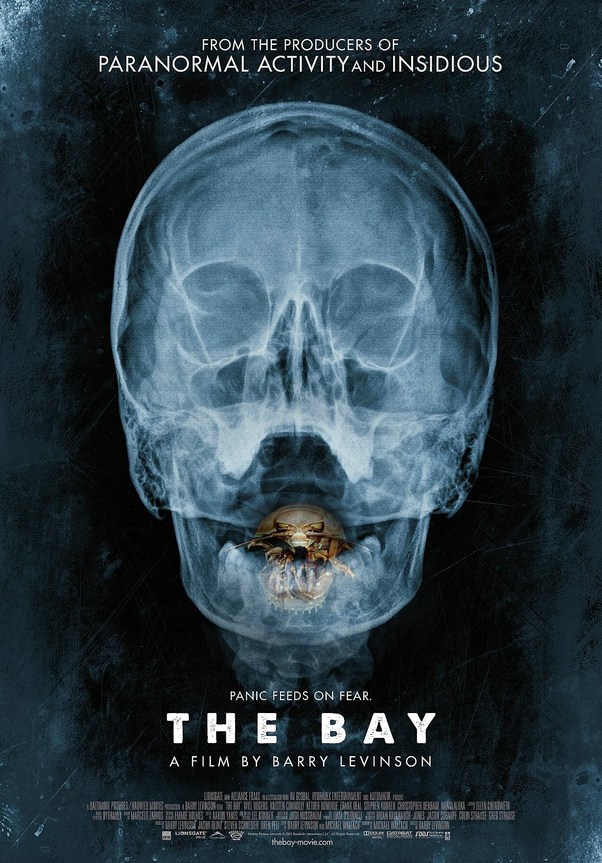
The Bay (2012) Review – Frighteningly Believable Mocku-Horror
The Bay (2012): Quick Verdict
The TL;DR: The Bay (2012) is a bit of an intriguing oddity in the found footage landscape: an eco-horror mockumentary crafted not by a scrappy indie debutant, but by Oscar-winning veteran Barry Levinson. Repurposing unproduced documentary research on Chesapeake Bay’s environmental crisis, the film chronicles an idyllic Maryland town during a 4th of July celebration that quickly descends into nightmarish chaos as parasites tear through the population. Cobbling together 911 calls, FaceTime feeds, dash-cams, and news broadcasts, it delivers a breathless and legitimately realistic depiction of total bureaucratic failure and escalating biological terror. Though dragged down by frantic shaky-cam, uneven acting, and an ending that pivots slightly too hard into B-movie creature tropes, it remains one of the most unsettling outbreak films of its era.
Details: Director: Barry Levinson | Writer: Michael Wallach | Cast: Kether Donohue, Kristen Connolly, Will Rogers, Stephen Kunken | Runtime: Approx. 85 Minutes | Release Date: November 2012 | Where to Watch: Digital VOD / Physical Media
Best For: Eco-horror enthusiasts, mockumentary purists, body horror fans, and anyone intrigued by seeing a seasoned Hollywood dramatic director tackle raw, grimy found footage.
Worth Noting: Looking for other foundational mockumentaries that capture chilling faux-documentary realism? Revisit our reviews of Lake Mungo (2008) and Kôji Shiraishi’s occult masterpiece Noroi: The Curse (2005).
Did You Know: Day 22 of our 31 Days of Halloween 2026 feature! Explore every daily spooky season review directly on our central 31 Days of Halloween 2026 category.
Is It Scary: Genuinely frightening and seriously skin-crawling. It generates real horror not through traditional jump scares, but through nasty physical decay, gruesome biological afflictions, and the suffocating realisation that the authorities are completely powerless to stop it.
Rating: 3.8/5 Stars
(A relentless, frighteningly authentic mockumentary that grounds its gruesome biological body horror in chilling real-world ecological neglect.)
Welcome to Knockout Horror. It’s day 22 of our 31 Days of Halloween 2026 movie review marathon. Today I wanted to take a look at a found footage film that I have talked about a fair bit on this site but never reviewed – The Bay (2012). Found footage, as a whole, is defined by fledgling directors trying something new, so I think the story behind this movie is pretty fascinating. Let’s take a look.
Table of Contents
Not Your Average Found Footage Horror
Found footage has long been the home of unestablished directors trying to make a name for themselves. The DIY nature of the format offers aspiring filmmakers an opportunity to get their ideas out there without spending a ton of money.
“This is the guy that brought us huge Hollywood movies like Good Morning, Vietnam, Rain Man, and Bugsy.”
It also offers a chance for directors to really show how capable they are of delivering on the scares. Without the addition of glossy lighting, expensive special effects, and a-list actors, they are far more dependent on clever pacing, creeping dread, and minimalist frights.
If someone can terrify an audience with virtually no budget, imagine what they could do when they have access to some serious money. A number of the best directors in horror got their start in found footage.
Radio Silence kicked off their careers with the 10/31/98 segment in the first V/H/S horror anthology, before going on to direct massive movies like Ready or Not. David Bruckner also took the helm for the Amateur Night segment in that same anthology, before going onto direct The Ritual, and André Øvredal created Trollhunter, before going on to direct movies like The Autopsy of Jane Doe.
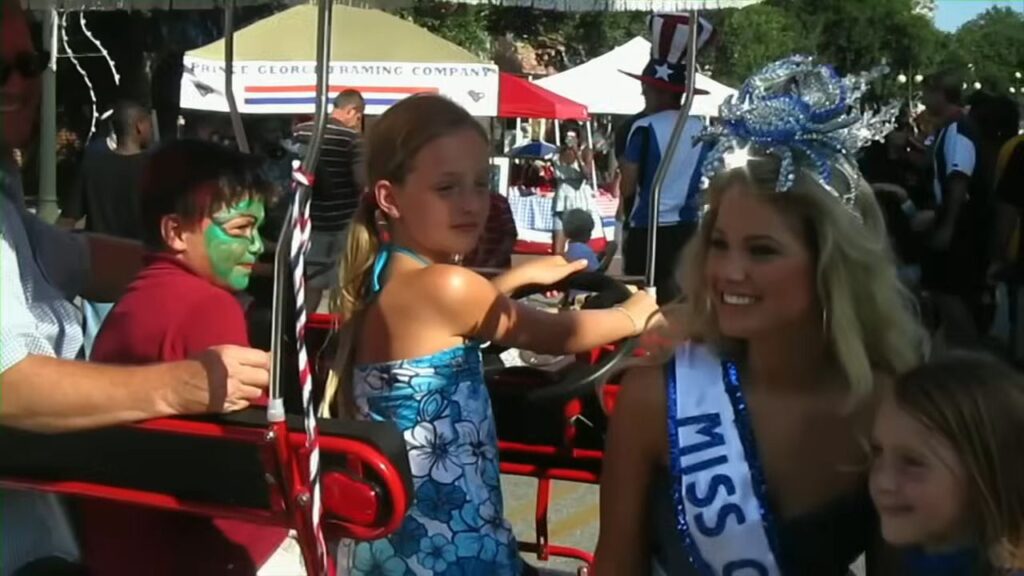
This sub-genre is a breeding ground for fledgling talent, but The Bay is something of an outlier. The story focuses on a small Maryland town that is afflicted by a parasitic outbreak over the fourth of July weekend, leaving hundreds dead and investigators scrambling to find the source.


This movie is written and directed by Barry Levinson. Levinson, by the time this movie was released, was already an enormously well known director. This is the guy that brought us huge Hollywood movies like Good Morning, Vietnam, Rain Man, and Bugsy.
He had won an Oscar and numerous Emmys. What the hell was he doing making a found footage, horror mockumentary in 2012? Hell, horror wasn’t even his genre. He was far more focused on character driven drama.
There’s a simple explanation
There’s a pretty simple explanation for why such a well established director of drama films suddenly decided to venture into found footage horror.
Levinson had been working on a documentary about the environmental problems affecting Chesapeake Bay. After learning that the popular investigative documentary show Frontline had already covered it, the project was scrapped. Not wanting to abandon the idea, Levinson used his research to develop a story for a horror movie.
So where does found footage come into it? Well, again, it’s pretty simple. Levinson thought about the Pompeii disaster and it dawned on him that, had the event happened today, there would be cellphone footage and visual documentation of the eruption as it occurred.
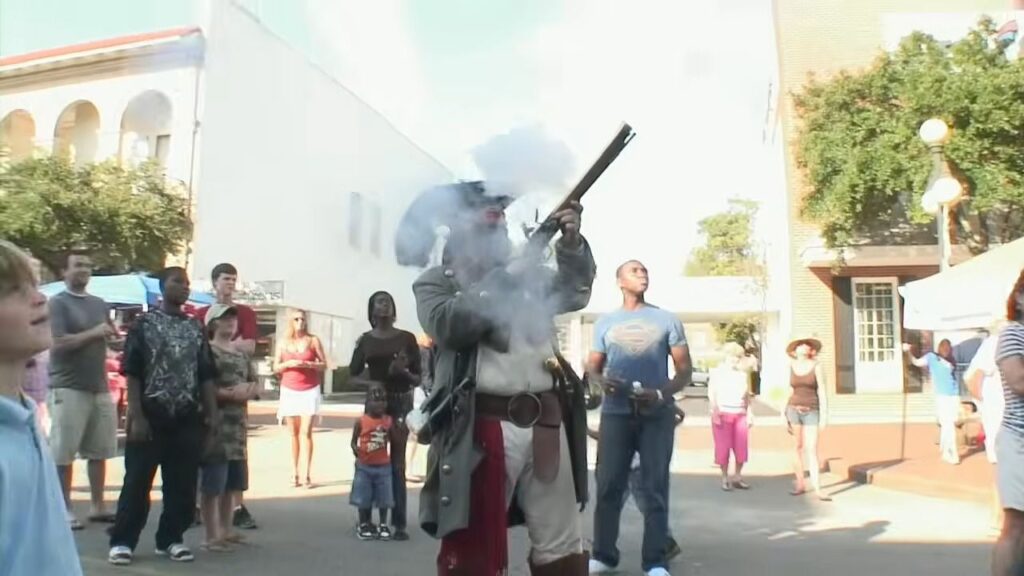
He believed that the best way to present his story of ecological catastrophe in a small town, was as a documentary bringing together the pieces of footage recovered from news broadcasts, CCTV cameras, and cellphones.
Now, let’s be honest, the mockumentary format is nothing new to us horror fans. Movies like Lake Mungo and Noroi: The Curse had been around for a few years by this point. Hell, one of the very first found footage horror movies, The Last Broadcast (1998), could best be described as a mockumentary. But for a Hollywood director who is about as distanced from the horror genre as you could possibly get, this was a novel idea.
It’s a standard mockumentary done extremely well
For fans of this format, The Bay is going to feel very familiar. You know what to expect here; a series of events collected in a documentary format, all related from the perspective of survivors, victims, reporters, and emergency crew.
“As far as mockumentaries go, The Bay has an utterly breakneck pace once it gets going.”
At its heart, this is a proper ecological horror with a serious message about how we are treating the world we live in. That doesn’t stop it going to some seriously gruesome places, though. The Bay leans into outbreak horror, body-horror, creature-horror, and even a little bit of jump-scare-horror.
The early parts of the film are quite tame and used mainly to establish the location and how the events began to unfold on that fateful summer day.
It’s the fourth of July weekend so there is a party atmosphere in the air and people are gathering en masse. Local reporter Donna Thompson (Kether Donohue) is on the scene to document the festivities, and everyone is feeling pretty happy and optimistic. That is, until people start dropping like flies.
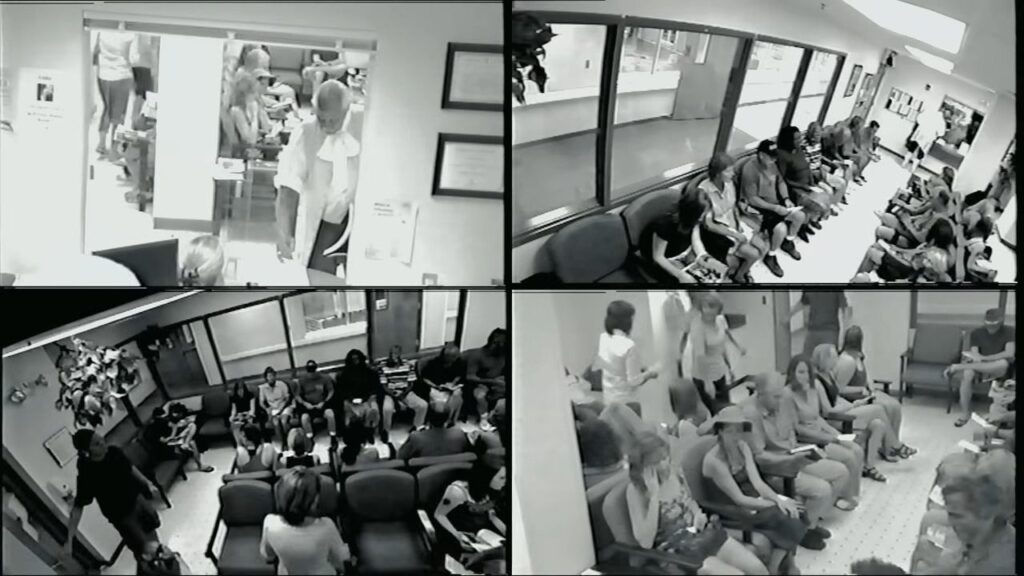
Residents are suddenly falling ill with strange lesions and it isn’t long before the outbreak claims its first victim. Legitimately graphic, body-horror depictions of horrible suffering really hit home just how drastic the whole situation is. While the subject matter doesn’t necessarily invite pure horror, the gore is extremely visceral and rather nasty.
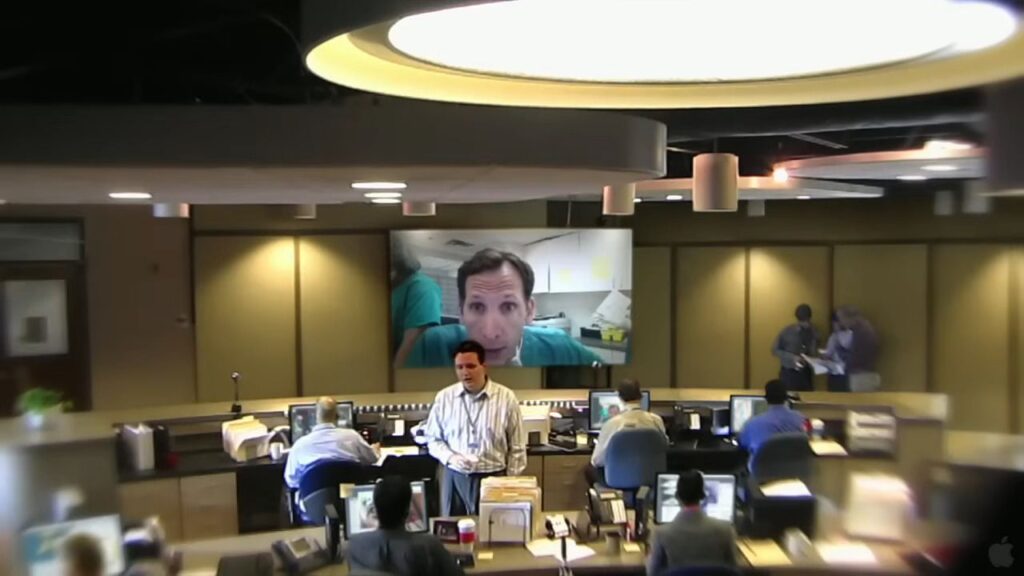
Levinson portrays the events through a mix of news footage courtesy of our on the scene crew, police reports, dash-cam footage, harrowed phone calls, and recovered cellphone videos.
As far as mockumentaries go, The Bay has an utterly breakneck pace once it gets going. We flit between different parts of the town, different people, and different scenarios in rapid succession. There’s barely a chance to catch your breath as, once it gets going, the action is relentless.
It’s incredibly realistic
The Bay succeeds where other mockumentaries fail by managing to be frighteningly realistic. The events here are grounded in real life research and very real ecological problems so the way the outbreak plays out feels entirely believable.
There’s a compounding sense of chaos as every department that’s supposed to handle disasters basically collapses, leaving people to fend for themselves. Nobody really knows what to do and the authorities are fighting against the clock to try and find an explanation.
The way the events are presented in retrospect does an incredible job of highlighting how hopeless the entire situation is. Everyone is so desperate that it’s impressively easy to empathise with them and buy into their struggle.
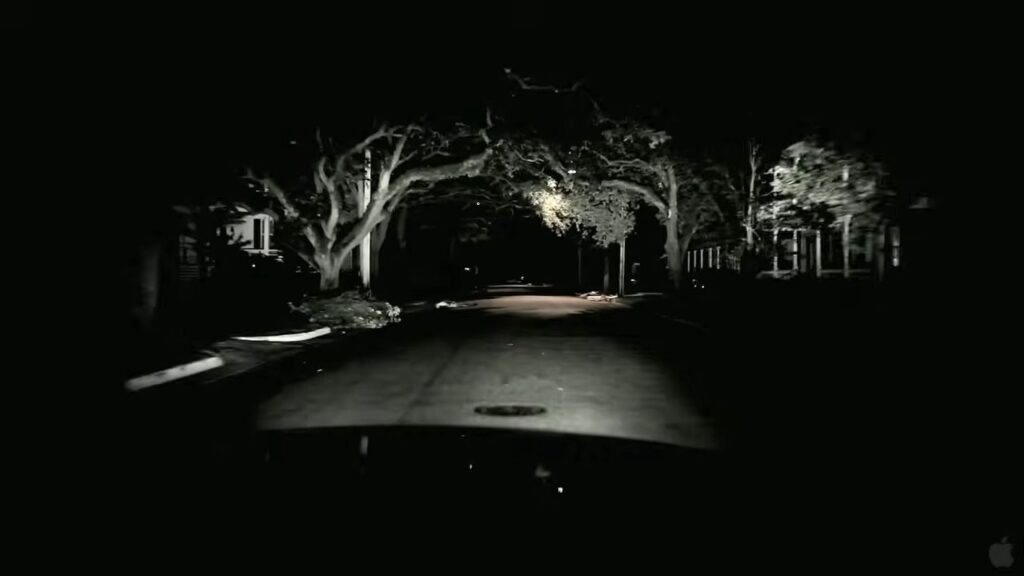
There’s also a grand sense of scale that makes the disaster seem so much more authentic. This isn’t just a couple of people relating their experience. It feels like an entire town that really experienced this and every different person has their own unique story.
In a post Covid world, The Bay actually feels even more believable. We have seen people in power completely fail to manage catastrophe, so it’s much easier to accept the reactions of the characters as the chaos unfolds.
It won’t be for everyone
Naturally, there are a fair few problems here that will probably leave some viewers wanting. For a start, The Bay does fall foul of some of the usual found footage pitfalls.
“Once the reveal comes, you might feel a tiny bit underwhelmed.”
If you told me that the only found footage films Levinson had ever watched were The Blair Witch Project and Cloverfield, I would believe you. He absolutely doubles down on the shaky cam effect that those films became so notorious for. This was at a time when the genre was moving away from that hyperactive style of filming, too.
Some of the acting is fairly iffy and there’s that definite sense that certain people weren’t exactly sure what to say and were doing their best to seem authentic rather than rehearsed. Again, it’s a pitfall of this style.
There’s a hell of a lot of implausibility in the way certain characters act. Call it horror logic, if you will, but it feels ill placed in a movie that is generally so believable. I can imagine it will take some viewers right out of the experience.
The ending leans, perhaps, a little too hard into genre convention and starts feeling a little too much like a full blown creature feature rather than a realistic documentary. I didn’t find some of the effects work all that impressive, either. In my opinion, the explanation is a little bit of a disappointment, in general. Once the reveal comes, you might feel a tiny bit underwhelmed.
All in all, however, if you are a fan of found footage or mockumentaries, The Bay is essential viewing. For the most part, it is massively believable, really quite scary, and utterly compelling. It has issues but if you can push those aside you are in for a wild ride.
The Good
- Frighteningly Grounded Realism: Grounded in real ecological science, the systemic collapse and institutional panic feel uncomfortably prescient.
- Relentless Narrative Pacing: Once the July 4th festivities unravel, Levinson cuts rapidly between perspectives without giving the audience room to breathe.
- Visceral Body Horror: Unsparing, graphic practical depictions of skin lesions, tongue-eating parasites, and agonizing physical torment.
- Expansive Town-Wide Scale: Skillfully weaves together webcams, news reels, police dash-cams, and oceanographic footage into a cohesive communal disaster.
The Bad
- Excessive Shaky-Cam: Over-relies on chaotic camera wobble and digital static that can be a bit visually fatiguing.
- Uneven Ensemble Acting: Several peripheral townspeople struggle with naturalistic line delivery, drifting between stilted and overtly scripted.
- Creature Feature Pivot: The third act loses some of its terrifying documentary chill as it leans harder into standard monster-movie tropes.
The Ugly: The tongue-eating isopods. The biological horror of real-life crustacean parasites mutating into flesh-burrowing town destroyers provides some of the most skin-crawling, squeamish body horror moments in modern found footage.
Should You Watch The Bay?
Oscar-winning director Barry Levinson might seem like the most unlikely candidate to tackle a digital-era found footage mockumentary, but The Bay stands as one of the sub-genre’s most effective and terrifying outings. By anchoring its parasitic outbreak in authentic ecological neglect and bureaucratic incompetence, it creates a palpable sense of hopeless small-town panic that hits even harder in a post-COVID world. While hampered by aggressive shaky-cam and a third act that slips slightly into creature-feature convention, its breakneck momentum and gruesome practical effects make it a must-watch for genre fans.
You might also like:
- The Parenting (2025) review – Meet the parents with a ghost
- Hidden Exposure (2023) Review – A Compelling Study Of Mental Abuse
- Life of Belle (2024) Review – A Genuinely Chilling DIY Family Affair
- Hellraiser (1987) Review – A Visceral and Transgressive Masterpiece of Flesh
- Krampus (2015) Review – A High-Budget and Ghoulish Festive Creature Feature
Our Scoring Philosophy: A Fair Fight
Horror is a genre that thrives thanks to indie film makers and low budget creators. At Knockout Horror, we firmly believe that every movie that we review deserves a fair fight. That's why we grade on a curve. Our star ratings are all about context, judging a film on what it achieves with the resources it has.
A 4-star rating for a scrappy indie horror made for $10,000 is a testament to its ingenuity and raw power. A 4-star rating for a $100 million blockbuster means it delivered on its epic promises. We don't compare them side-by-side; we celebrate success in every weight class, from the back-alley brawler to the heavyweight champion. Please keep this in mind when considering star ratings.


