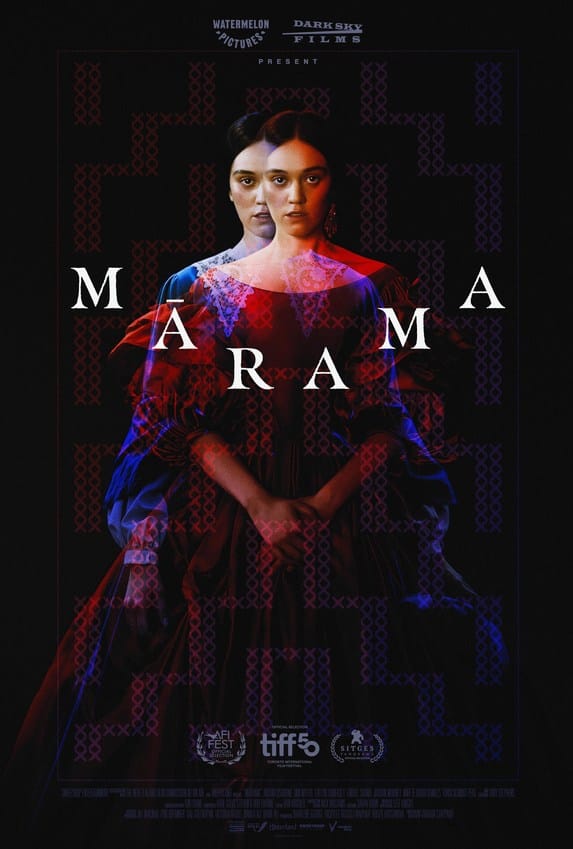
Mārama (2025) Review – A Disturbing Māori Gothic Horror
Mārama: Quick Verdict
The TL;DR: Mārama is a powerful and unsettling Māori Gothic revenge tale that perfectly exemplifies the ongoing maturation of the horror genre. Written and directed by Taratoa Stappard, this film bypasses mindless entertainment to confront the historical atrocities and lingering trauma of colonial brutality head-on. Stripping away any sense of Hollywood romanticism, the narrative drops a young Māori woman into a bleak, opulent Yorkshire manor teeming with disturbing familial secrets. While its transition into visceral splatter territory during the finale might feel slightly at odds with its heavy themes, the film is anchored by gorgeous cinematography and a phenomenal, raw lead performance from Ariana Osborne. It is far from an easy or comfortable watch, but it stands as an essential, eye-opening piece of socially conscious historical horror that demands to be taken seriously.
Details: Director: Taratoa Stappard | Cast: Ariana Osborne, Toby Stephens | Runtime: 89 Minutes | Release Date: February 12th 2026 (VOD) | Where to Watch: VOD / Streaming Platforms
Best For: Fans of historical Gothic horror, slow-burn psychological tension, and viewers who appreciate socially aware genre filmmaking that uses the medium to tackle heavy, real-world cultural trauma.
Worth Noting: Following a successful run on the 2025 festival circuit, the film has finally landed on VOD platforms. It features a unique cross-cultural perspective, written by a director of mixed Māori and English descent who explicitly explores the dark realities of the British Empire from both sides.
Did You Know: The film subverts traditional Victorian Gothic tropes—like candlelit hallways and white robes—by shifting the source of terror away from the supernatural and entirely onto the real-world ghosts of ruthless oppression, land theft, and cultural erasure.
Is It Scary: It is seriously disturbing and harrowing rather than traditionally scary. The real horror stems from the visceral, stomach-churning reality of colonial atrocities and the raw, heartbreaking grief of the protagonist as her cultural heritage is mocked and minimised by her oppressors.
Rating: 3.8/5 Stars
(A beautifully shot, intensely personal, and historically resonant Gothic thriller that proves horror is fully capable of tackling heavy social trauma.)
Welcome to Knockout Horror and to our review of the Gothic period horror movie Mārama (2025). This film hit the festival circuit in 2025 and has just hit VOD in the past couple of weeks.
Table of Contents
Māori Gothic – We Are in a Fascinating Period for Horror
I feel like we are entering an absolutely fascinating period in horror. Aside from the Oscar buzz for a collection of genre films over the past few years, we are right in the midst of the YouTube pipeline with titles like Obsession and Backrooms dominating at the box office.
“Horror is finally being taken seriously and, unlike some of the socially aware movements of the 60s and beyond, I think that change is here to stay.”
There’s something else happening to horror that a lot of people are much less aware of – it’s maturing. The success of a wave of socially aware films like Get Out and The Babadook has allowed the genre to yell at the top of its voice that this is now a medium where creative minds can tackle difficult subjects.
Horror is no longer just a place where a group of teens are massacred by a faceless killer. It can now be a genre where serious historical subjects and matters of social significance are approached head on, regardless of how difficult they are to talk about.
That brings us to Mārama, a Māori Gothic tale of revenge. This is a film that has been informed and structured by Māori culture and written by a director of mixed Māori and English descent. It features a troubling story touching on the real atrocities of colonialism told by a person who sees it from both sides.
That’s a fascinating angle that speaks to the maturation of this genre as a whole. Horror is finally being taken seriously and, unlike some of the socially aware movements of the 60s and beyond, I think that change is here to stay.


A troubling tale rooted in history
There’s probably one major point we should get out of the way before we carry on with this review. Mārama is not for the faint of heart and it certainly isn’t entertaining. Taratoa Stappard’s tale of colonial brutality and the suffering of New Zealand’s native Māori people is a disturbing watch.
The story follows a young Māori woman called Mārama (Ariana Osborne) who heads to Yorkshire, England after receiving an anonymous letter claiming to have information related to her parents and missing twin sister.
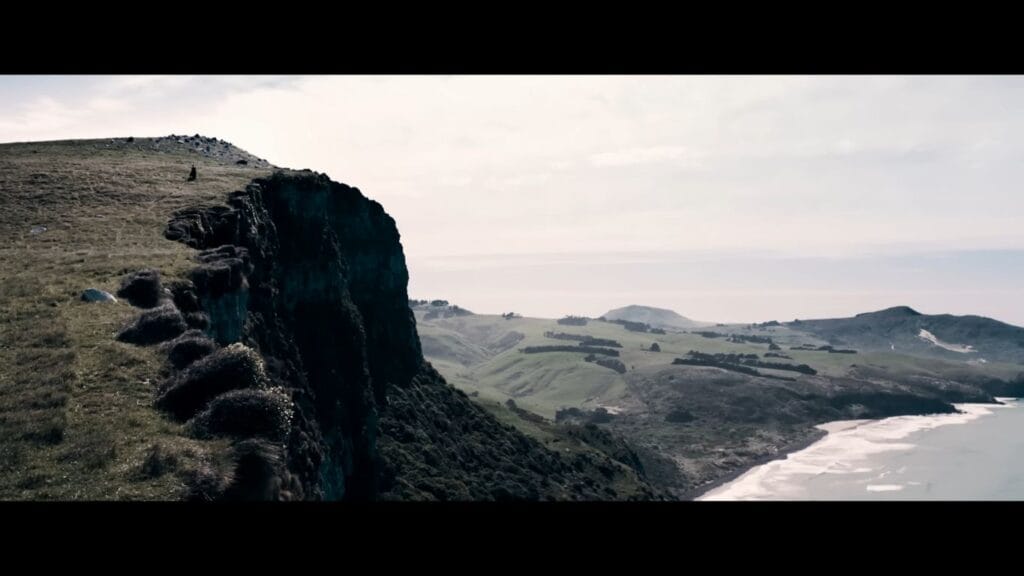
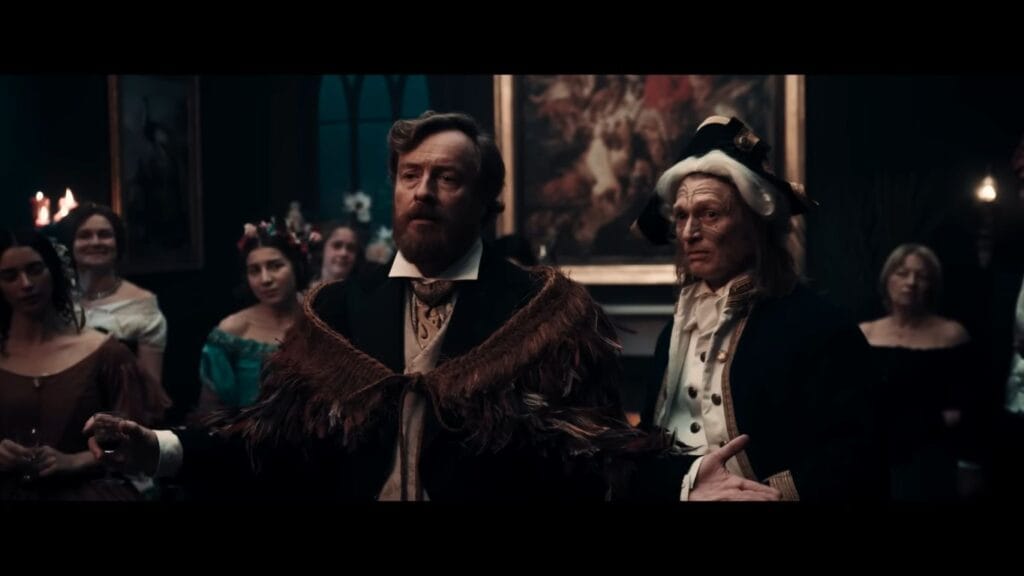
When she arrives, she is immediately offered the position of governess of the home of Nathan Cole (Toby Stephens). Little does she realise, the house holds dark secrets about her past that are more disturbing than she could have possibly imagined.
There’s no suggestion here that this story is based on fact but it is very much rooted in the real lived experiences of native people in countries like New Zealand. There is absolutely no corner cutting or glossing over the reality of it here, either. This is a sad and harrowing narrative.
There’s no sugary coating
For those with a limited knowledge of how nations like England, Spain, and France carved out their empires, it should be quite shocking to learn of the horrors that went along with dominating large parts of the world.
Just the act of essentially stealing land demands atrocities but the heinous acts committed by people who simply had a vested interest in said land, as well as a lot of money, often go unheard of.
Colonialism, as a whole, was rarely taught in schools when I was younger. Hell, I’m Welsh and we didn’t even really learn about the oppression of Welsh people (on a much less significant scale, obviously), either, thanks to an English-centric curriculum.
Needless to say, it’s up to indigenous people themselves to remind the world of these horrifying realities. The difficult task for Stappard is translating that directly to a horror audience. He doesn’t choose to do this with pandering or abundantly obvious moments of violence. Instead, he chooses to do it through the medium of Mārama herself.
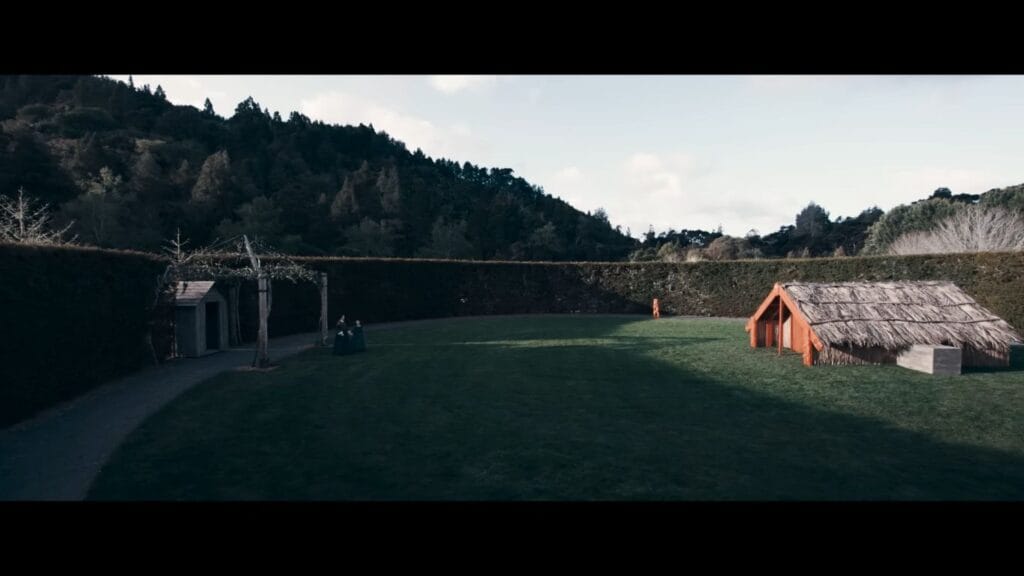
Mārama’s tale is one that reflects on the reality of life under a dominant colonial power that has little respect for the people’s customs and traditions and even less respect for their right to independence and possession of their land.
Mārama walks into the story wide eyed and unaware of just why it is she feels so violated. Incredibly well performed by Māori actor Ariana Osborne, I should add.
Her visceral and raw reaction to the way her cultural heritage is presented as almost a novelty to be played with and laughed at inspires a sense of disgust in you. You share in her feeling of utter despair and that makes her eventual growth feel all the more satisfying.
Traditional but not…
As you can probably guess, this is a proper period, Gothic horror movie. We have a large manor holding familial secrets, bleak moody lighting, a conflict between good and evil, and plenty of candlelit wandering through endless hallways by a character dressed in a white robe.
“This is a keenly shot film with some gorgeous visuals that do a fantastic job of blending the old with the new.”
In many ways, Mārama feels enormously traditional; almost as if it could have been released in Spain’s Fantaterror wave of the 60s or the earlier stages of Hammer. Where it differs is in its portrayal of a story that’s as rooted in fact as it is gruesome and troubling. The ghosts here are those of ruthless oppression and violence.
There’s little in the way of fantasy or romanticism here. Instead of the Victorian Gothic veneer being used as a vehicle for something darkly entertaining, Stappard uses it to reflect on the grim brutality of colonialism and the impact it has on native people.
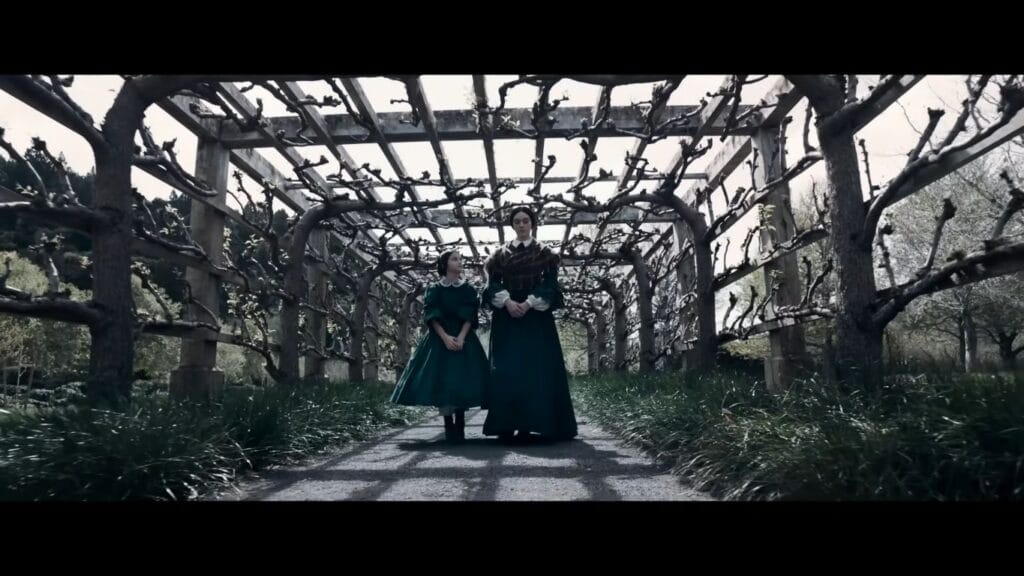
Outside, everything feels grey and muggy with little desire to hide the gloom that acts as the perfect backdrop for the narrative itself. Inside the mansion, colours are vibrant and the opulence is starkly apparent, providing the perfect contrast for the experiences of those on top and those down below.
This is a keenly shot film with some gorgeous visuals that do a fantastic job of blending the old with the new. The setting and appearance never gets in the way of the difficult subject matter and the writing never allows the story to take a backseat to the aesthetics.
But does it work?
It’s that story and those aesthetics that I think might cause some internal conflict in many viewers. While the two disparate styles do mesh well, unlike in some recent films like Slanted that do a poor job of balancing tough social issues with genre entertainment. I think some people are going to be looking towards Mārama expecting a very traditional horror film and that’s not really what this is.
It’s far heavier and far less entertaining than that. This isn’t a movie you watch to have a good time, it’s a movie you watch to learn a little about the brutality of, what is, very recent world history through the medium of a fictional story. I don’t think many people will have the capacity to enjoy it, as such, and I don’t think it is intended to be enjoyed.
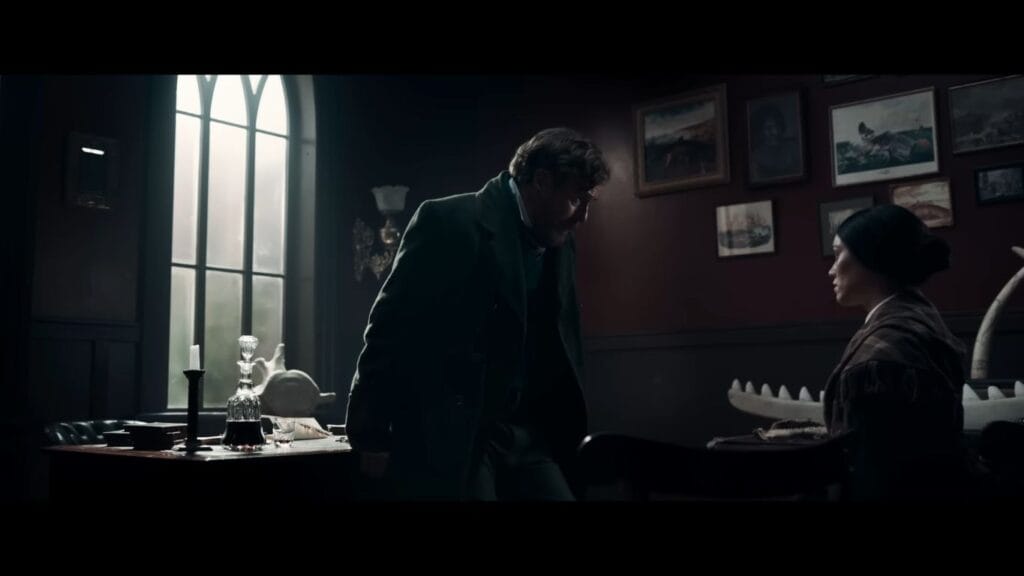
The horror here is used as a vehicle to reflect on something historically harrowing and when events venture into almost splatter territory it even feels a bit confused. You need to step outside the lines of expectation to recognise how it fits because the tough subject matter doesn’t always gel with the medium.
The outlandish violence of the film’s finale is designed to provide a visual representation of the real violence associated with the legacy of colonialism but some viewers may struggle to see that. Horror is so closely tied to mindless entertainment that films like this can be a bit of a tough ask.
“I don’t think many people will have the capacity to enjoy it, as such, and I don’t think it is intended to be enjoyed.”
Mārama is still an incredibly powerful watch, however, you just need to have your expectations correctly aligned.
The Good
- Phenomenal Lead Performance: Ariana Osborne is fantastic, brilliant conveying her character’s immense grief and vulnerability alongside a fierce, inspiring resolve.
- Mature, Unflinching Narrative: Uses the horror medium responsibly to tackle the devastating, rarely taught historical atrocities of colonialism without cutting corners or sugar-coating the reality.
- Stunning Gothic Visuals: Keenly shot with a brilliant contrast between the grey, muggy exterior gloom and the stark, vibrant opulence inside the manor walls.
- Fascinating Perspective: Structured directly by Māori culture and informed by a mixed-heritage director, offering a personal and rare viewpoint to mainstream horror audiences.
The Bad
- Zero Entertainment Value: Intentionally heavy, bleak, and very sad; viewers looking for a fun, casual popcorn horror flick will leave disappointed.
- Tonal Friction in Third Act: The sudden escalation into extreme violent territory during the finale can feel slightly confused and at odds with the film’s serious historical weight.
The Ugly: The stomach-churning reality of historical erasure. Watching the protagonist’s sacred cultural heritage treated as a cheap novelty to be laughed at by wealthy oppressors inspires an intense, lingering sense of disgust and despair that actually stays with you long after the credits roll.
Should You Watch Mārama?
Yes, without a doubt, but go into it with the right expectations. Mārama is a fantastic example of the ongoing maturation of horror, proving the genre is a vital space for exploring devastating historical trauma and social significance. It is a heavy, harrowing, and ultimately very serious Māori Gothic tale that completely strips away the romanticism of the British Empire. While its final pivot into graphic violence might cause a bit of internal tonal conflict for some, Taratoa Stappard’s tale is a very important, gorgeously filmed piece of cinema that deserves to be witnessed. Just don’t expect to have a good time.
You might also like:
- Hidden Exposure (2023) Review – A Compelling Study Of Mental Abuse
- Nocebo (2022) Ending Explained – The Sweatshop Fire & The Ongo Curse
- Scary Movie 2 (2001) review – A rushed sequel that fails to deliver
- Passenger (2026) Review – Painfully Generic Road Trip Disappointment
- I’m Haunted (2022) Review – A Derivative and Low-Effort Found Footage Slog
Our Scoring Philosophy: A Fair Fight
Horror is a genre that thrives thanks to indie film makers and low budget creators. At Knockout Horror, we firmly believe that every movie that we review deserves a fair fight. That's why we grade on a curve. Our star ratings are all about context, judging a film on what it achieves with the resources it has.
A 4-star rating for a scrappy indie horror made for $10,000 is a testament to its ingenuity and raw power. A 4-star rating for a $100 million blockbuster means it delivered on its epic promises. We don't compare them side-by-side; we celebrate success in every weight class, from the back-alley brawler to the heavyweight champion. Please keep this in mind when considering star ratings.