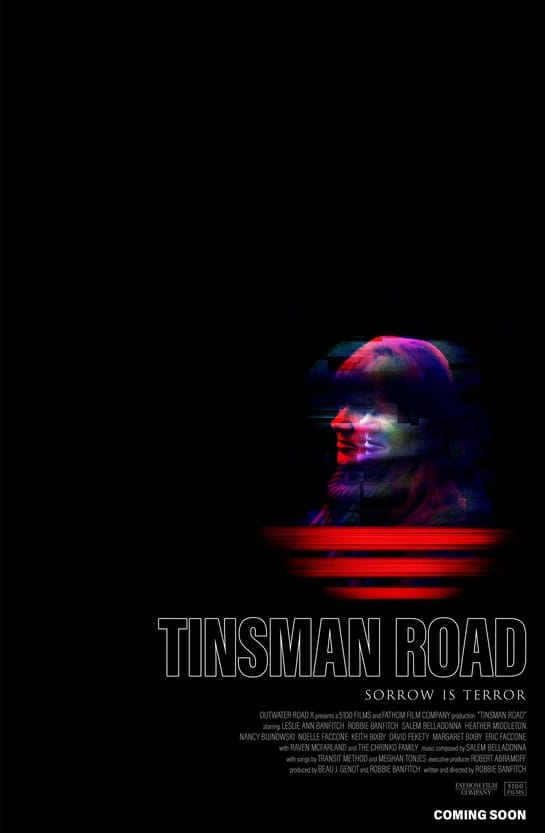
Tinsman Road (2025) Review – Seriously Sad Story Told Slooow
Tinsman Road: Quick Verdict
The TL;DR: Tinsman Road is an intensely raw, micro-budget DIY found-footage mystery directed by and starring Robbie Banfitch (The Outwaters) Evoking much of the slow-burn, existential grief that made Lake Mungo so compelling, alongside the analog aesthetic of The Blair Witch Project and Skinamarink, the film shines in its sad, unflinchingly authentic portrayal of familial loss and the relentless pursuit of answers. However, an overstuffed two-hour-plus runtime, repetitive conversational loops, and a lack of aggressive editing test viewer patience. It stands as a wonderfully brave, poignant indie effort, but one that demands significant endurance from horror fans.
Details: Director: Robbie Banfitch | Cast: Robbie Banfitch, Leslie Ann Banfitch, Salem Belladonna | Runtime: Approx. 119 Minutes | Release Date: 2025 Festival – July 1st 2026 (VOD) | Where to Watch: Prime Video
Best For: Patient analog horror purists, found-footage completists, and fans of slow-burn, grief-centric mockumentaries like Lake Mungo.
Worth Noting: Looking for another masterclass in slow-burn dread and existential mystery? Check out our full review of Lake Mungo (2008) right here on Knockout Horror.
Did You Know: The production is a genuine grassroots DIY project, filmed on vintage Mini-DV consumer handicams with director Robbie Banfitch casting his actual family members to ground the emotional weight.
Is It Scary: Rarely in the traditional sense; it foregoes jump scares and visceral monster set pieces in favor of lingering, existential dread and unsettling background audio cues that genuinely work really well.
Rating: 3.5/5 Stars
(A seriously affecting, authentic found-footage grief study held back only by its bloated runtime.)
Welcome to Knockout Horror and to our review of indie found-footage horror movie Tinsman Road. This film did the festival circuit back in 2025 and has just hit VOD (Prime Video) as of last month. I think fans of movies like Lake Mungo are going to find a lot to like here but that comes with one rather large caveat that we will get into shortly. Let’s take a look.
Table of Contents
A Seriously Brave Production
It takes some serious balls to dig deep into your own pockets to produce a horror movie in 2026. Competition is fierce, finding distribution can be a nightmare, and viewers are more cynical than ever. That’s without even mentioning how much more everything costs.
“This is a brave movie but it is not going to be for everyone.”
Successful, low budget flicks like Obsession and Oddity have got people feeling as though every DIY horror movie should release feeling like a fully complete project created by a one in a million, movie-making auteur.
If you lack vision, or simply the budget, to produce something that feels glossy and polished, the majority of viewers simply won’t give you the time of day.
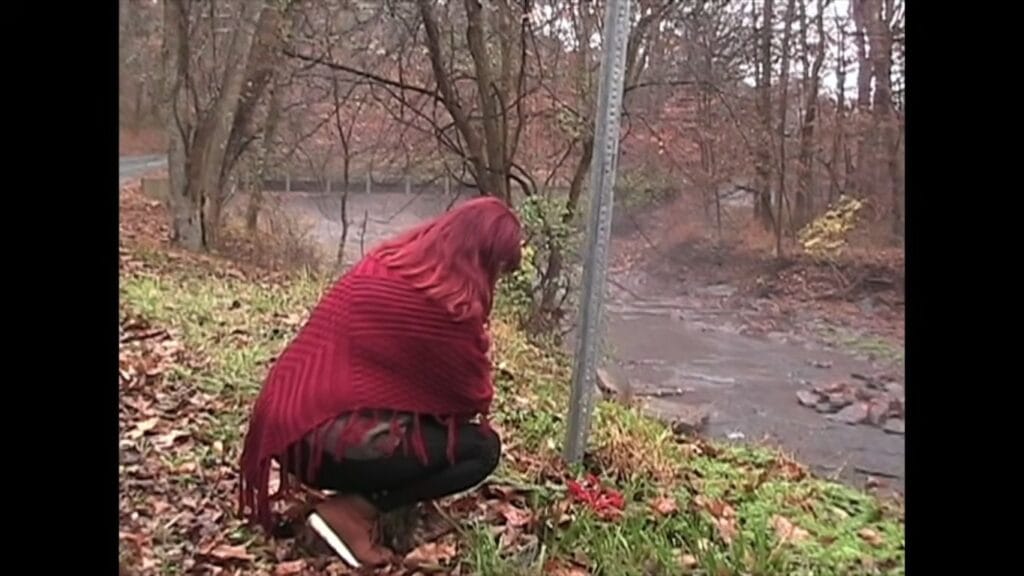
It takes an even bigger set of balls to produce a horror movie that is likely to prove anathema to the very audience you’re trying to target.
Tinsman Road is one such movie. It’s extremely slow, it’s filmed on incredibly basic equipment, it’s made almost entirely by the director and close family members, and it is structured in the complete opposite manner of the fast paced, jump scare-fests that today’s horror fans enjoy so much.


If the slow paced mockumentary Lake Mungo faced a huge number of detractors due to its pacing and lack of overt scares, I imagine Tinsman Road will encounter even more. This is a brave movie but it is not going to be for everyone.
An honest and tragic story
The story follows Robbie (played by director Robbie Banfitch) as he begins an intensely personal investigation into the disappearance of his sister. Through interviews with his mum and the townsfolk, he begins to find himself sinking deeper and deeper into a labyrinthine mystery darker than he could have possibly imagined.
This is one of those movies that absolutely demands patience from the viewer. Classifying it as horror almost feels a little deceptive. This is, at its core, a tragic story of one family struggling to cope with the grief of losing a loved one.
There are very limited scares and, much like the aforementioned Lake Mungo, the suggestion of supernatural influences are merely that – suggestions. You are going to have to watch and observe to learn whether these supernatural influences are real or not.
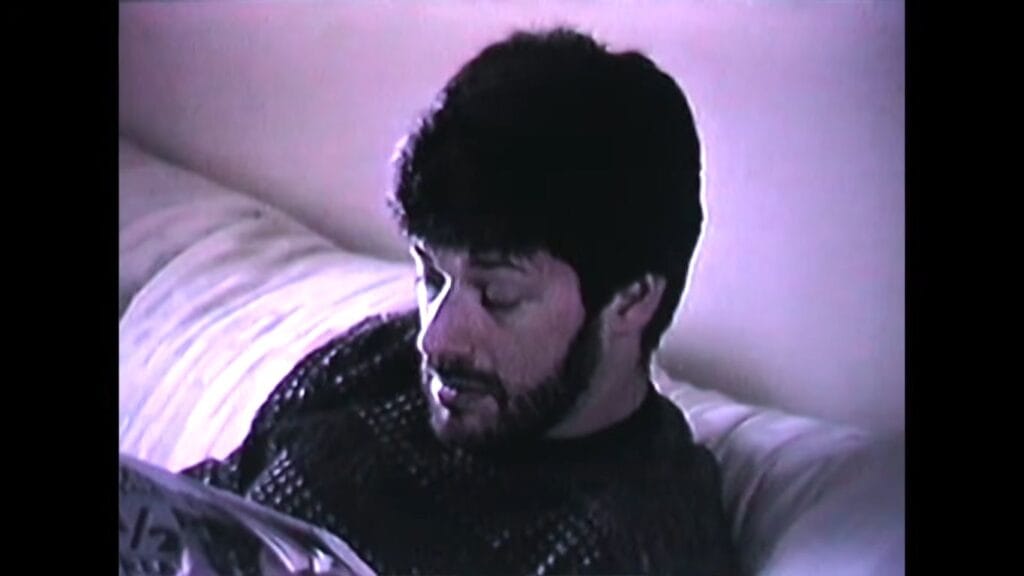
Nothing is handed to you on a plate, here. You really have to work for it. Much of the time, that means listening to stream of consciousness dialogue and conversations between people who likely haven’t had time to process their own feelings of loss, let alone each others.
All of this is presented without the structure that comes along with a properly formed documentary; structure which often acts as training wheels for viewers. There’s limited editing and minimal polish.
There’s no guardrails here, it’s simply presented as is.
It’s going to divide people because this format already does. Without the carefully laid out mockumentary skeleton of something like a Horror in the High Desert, some viewers may feel a little lost and may start to lose focus or even interest.
Touching and very effective
Despite that, its the rawest moments of the film where Tinsman Road really shines. Banfitch has managed to tap into an incredibly authentic thread of suffering that actually elevates the story far above that of generic horror.
The scares are less necessary, or even welcome, when the real terror comes from matters of the existential. Robbie’s constant questions surrounding the existence of an afterlife actually force the viewer to pose those questions to themselves.
His sister is gone, perhaps forever, and he is unable to resolve the feelings he has about the loss.
Anyone who has lost someone close to them will relate to the raw suffering felt by the family. The scenario presented here is just waiting to rub on that exposed nerve, should you allow it to. This makes it, somehow, more unsettling than something that is constantly attempting to make you jump out of your skin.
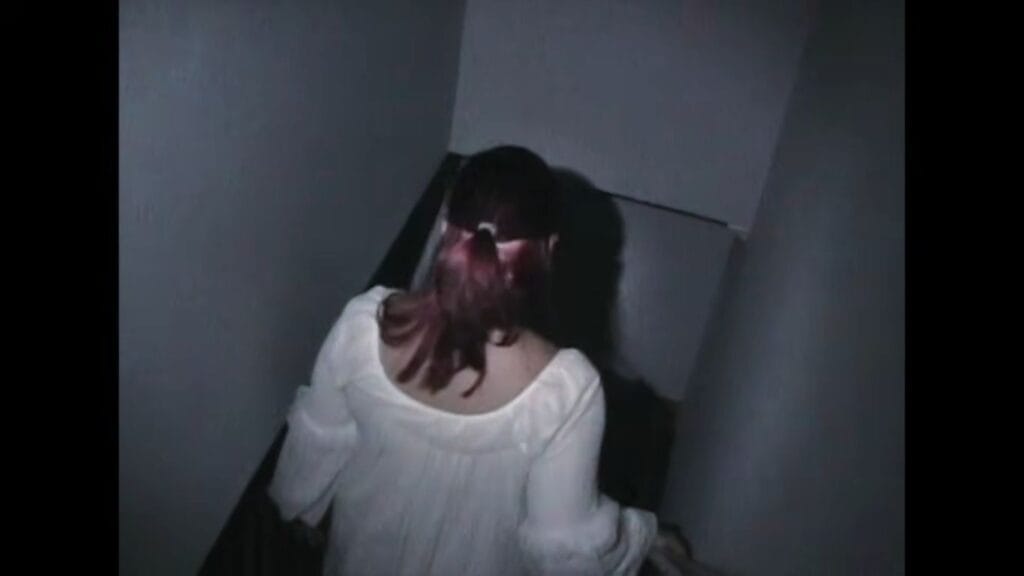
Acting is very convincing, especially given the likely untrained nature of the performers. Leslie Ann Banfitch stands out tremendously. It’s incredibly easy to buy into the family’s insistence on marching forward even when life feels hollow and pointless.
“The scares are less necessary, or even welcome, when the real terror comes from matters of the existential.”
You never once find yourself questioning their motivation because it is abundantly clear that, despite the fractures, they are relentlessly determined to find out what happened to their loved one.
Again, tragedy is the glue that binds this narrative so the characters’ relentless pursuit of information makes sense even when the answers might not be what they want to hear.
Aesthetically interesting
Tapping into something that is becoming quite the trend in horror, as of late, Tinsman Road is set in the late 90s. The entire film is shot on era accurate equipment (Mini-DV handicam type camcorders) which lends the production an almost analog-horror vibe.
It’s delightfully grainy with oversaturated colours that pop in a way that contrasts spectacularly against the grim narrative. The autumn setting is incredibly fitting for the theme of the story, too.
Aesthetically, it’s quite similar to found-footage icon The Blair Witch Project but there’s a lot of out of context framing that reminds me of something like Skinamarink. Don’t expect the scares that come along with either of those films to appear here, though.
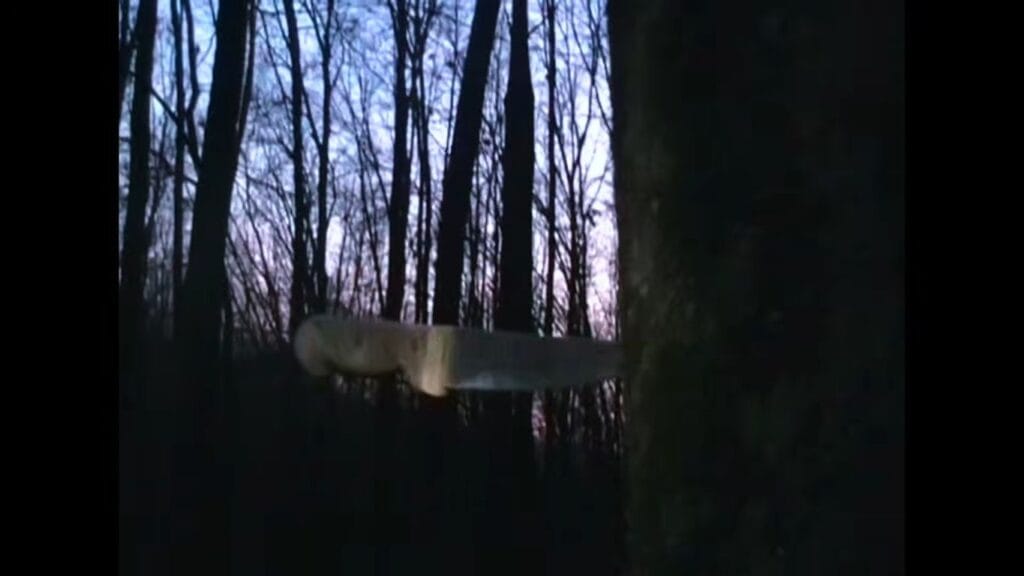
Banfitch takes a few sidesteps to offer up a couple of frights but there’s never a full commitment to the horror element. Later scenes are probably the most effective, in this regard, but, again, I would feel like I was misleading my readers to suggest that Tinsman Road will scare them. it’s just not that kind of film.
I’d actually say the sound design is where the movie really shines in the “creepy” department. Some of the random songs and music boxes playing out of nowhere really manage to unsettle just a bit and I think this is one of the movie’s strongest points.
A huge but…
For all the things I can praise about Tinsman Road, there was one overwhelming point that I just couldn’t get past – it is far too long. It takes a masterful director working with an incredibly compelling narrative to earn over two hours of a viewer’s time. While this is a very strong effort, it is an enormous ask at the current runtime.
“A much tighter re-cut would have Tinsman Road high on a list of best found footage movies in years.”
I hate to say it but there is a lot of padding here and the pacing is extremely off. Entire segments could have been safely removed as they really add nothing at all to the story. The same points are reinforced repeatedly and characters are visited and revisited just for them to say the same things.
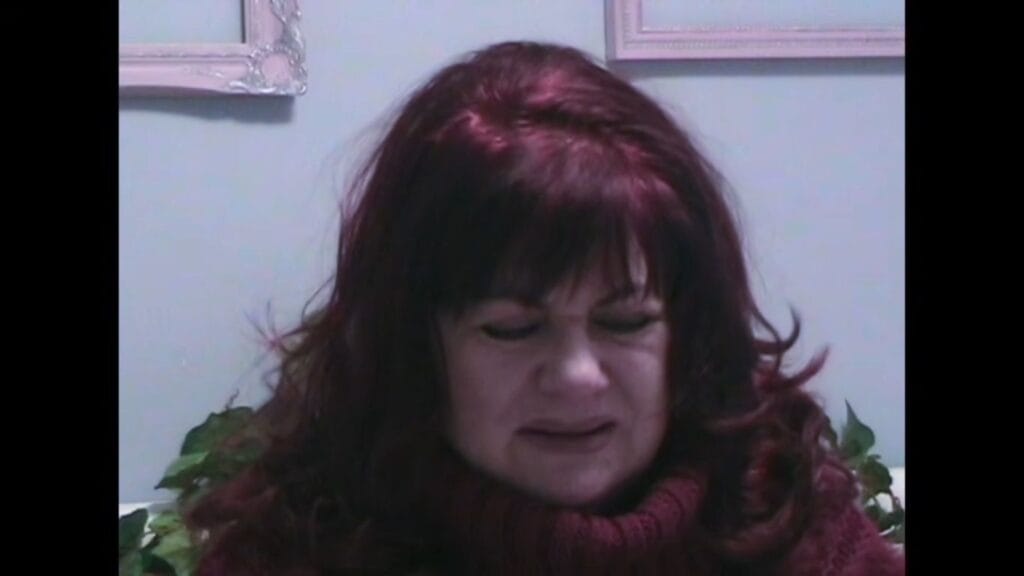
These issues are compounded by Banfitch’s somewhat monotonous delivery. In a shorter film, it wouldn’t be an issue but it starts to become very apparent after the first hour passes. The same goes for the musical pieces used over and over again. They weren’t particularly great and hearing the same one three or four times became quite frustrating.
Tinsman Road, unfortunately, begins testing your patience and, as a consequence, it loses impact. Some people are going to hit that halfway point, see an hour left and check out.
It’s one of the strongest recent examples I can think of when it comes to movies that could have been special with a competent editor having free reign to chop away as needed. It’s still a great movie but it demands a level of patience in the viewer that I am not sure how many people will have.
A much tighter re-cut would have Tinsman Road high on a list of best found footage movies in years.
The Good
- Genuinely Affecting Grief Study: Taps into raw, authentic human suffering that elevates the story far above typical found-footage tropes.
- Superb Analog Aesthetic: Authentic late-90s Mini-DV camcorder visuals create an atmospheric, grounded time capsule.
- Unsettling Audio Design: Uses sudden music boxes and distorted tunes to create lingering tension.
- Naturalistic Performances: Convincing, unpolished dialogue between family members makes the central mystery feel genuinely personal.
The Bad
- Excessive Runtime & Bloat: Stretching over two hours with noticeable padding, it severely strains audience patience.
- Repetitive Dialogue Loops: Multiple scenes revisit the exact same points and characters without progressing the mystery.
- Monotonous Delivery: The unvarying vocal delivery and repeated musical tracks become noticeable over extended stretches.
- Lack of Conventional Scares: Viewers seeking immediate jump scares or overt supernatural payoffs will be left cold.
The Ugly: The pacing wall. At over two hours long without traditional documentary guardrails, the midpoint slowdown becomes a brutal hurdle that will cause less patient genre fans to tune out completely.
Should You Watch Tinsman Road?
If you have the patience for an unstructured, slow-burn exploration of grief and existential dread, Tinsman Road is a brave, remarkably authentic piece of DIY found footage. Robbie Banfitch captures the raw agony of a family searching for closure with a ton of heart, backed by lovely late-90s camcorder aesthetics and eerie audio cues. It suffers significantly from runtime bloat and repetitive scenes that a tighter edit could have salvaged, but for fans of quiet, unsettling mysteries like Lake Mungo, it remains well worth experiencing.
You might also like:
- Black Cab (2024) review – Nick Frost’s Sinister Performance Stall In A Predictable Trudge
- In Vitro (2025) review – cattle cloning and domestic drama
- 28 Days Later (2002) Review – Groundbreaking, Immensely Important, So Why The Middling Score?
- 30 November & Thanksgiving Horror Movies Perfect For Following Up On Halloween
- Black Christmas (2019) Review – A Pointless and Poorly Executed Remake
Our Scoring Philosophy: A Fair Fight
Horror is a genre that thrives thanks to indie film makers and low budget creators. At Knockout Horror, we firmly believe that every movie that we review deserves a fair fight. That's why we grade on a curve. Our star ratings are all about context, judging a film on what it achieves with the resources it has.
A 4-star rating for a scrappy indie horror made for $10,000 is a testament to its ingenuity and raw power. A 4-star rating for a $100 million blockbuster means it delivered on its epic promises. We don't compare them side-by-side; we celebrate success in every weight class, from the back-alley brawler to the heavyweight champion. Please keep this in mind when considering star ratings.