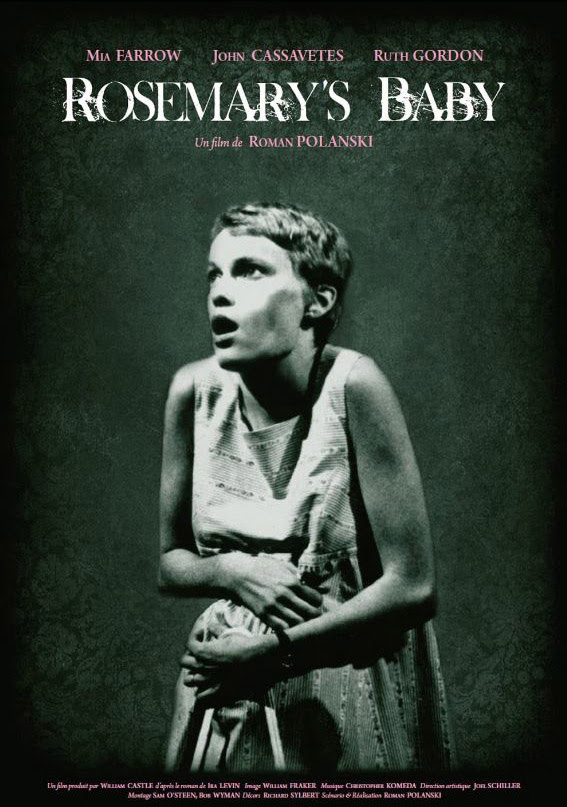
Rosemary’s Baby (1968) Review – A Paranoid Psychological Masterpiece
Rosemary’s Baby: Quick Verdict
The Verdict: A chillingly effective masterclass in psychological horror that remains as potent and unsettling today as it was in 1968. Rosemary’s Baby succeeds by grounding its occult themes in a claustrophobic, urban reality, making the supernatural feel disturbingly domestic. Mia Farrow delivers a career-defining performance, perfectly capturing the transition from wide-eyed optimism to suffocating paranoia as the walls of the Bramford building close in on her.
The film is a technical triumph of pacing and perspective, forcing the audience to share in Rosemary’s isolation and gaslighting. Though modern viewers might find the 60s social dynamics dated, the underlying themes of bodily autonomy and betrayal are timeless. This 4.2 star effort is an essential pillar of horror history that prioritises creeping dread over visceral shocks. It is a slow-burn nightmare that rewards every minute of its runtime. If you haven’t experienced this landmark of the genre, it is an absolute must-watch. It is a haunting, visionary, and unforgettable piece of cinema.
Details: Director: Roman Polanski | Cast: Mia Farrow, John Cassavetes, Ruth Gordon | Runtime: 2h 17m | Release Date: 1968
Best for: Fans of slow-burn psychological thrillers, occult horror enthusiasts, and anyone interested in the foundational classics of the genre.
Worth noting: The film was shot almost entirely on location at The Dakota in New York City, a building with its own storied and occasionally dark history.
Where to Watch: VOD, Amazon🛒
Rating: 4.2/5 Stars
(A landmark in psychological horror that masterfully blends urban paranoia with occult dread to create a timeless study of gaslighting and isolation.)
Welcome to Knockout Horror. Today we are reviewing Rosemary’s Baby (1968).
Table of Contents
The apartment block from hell
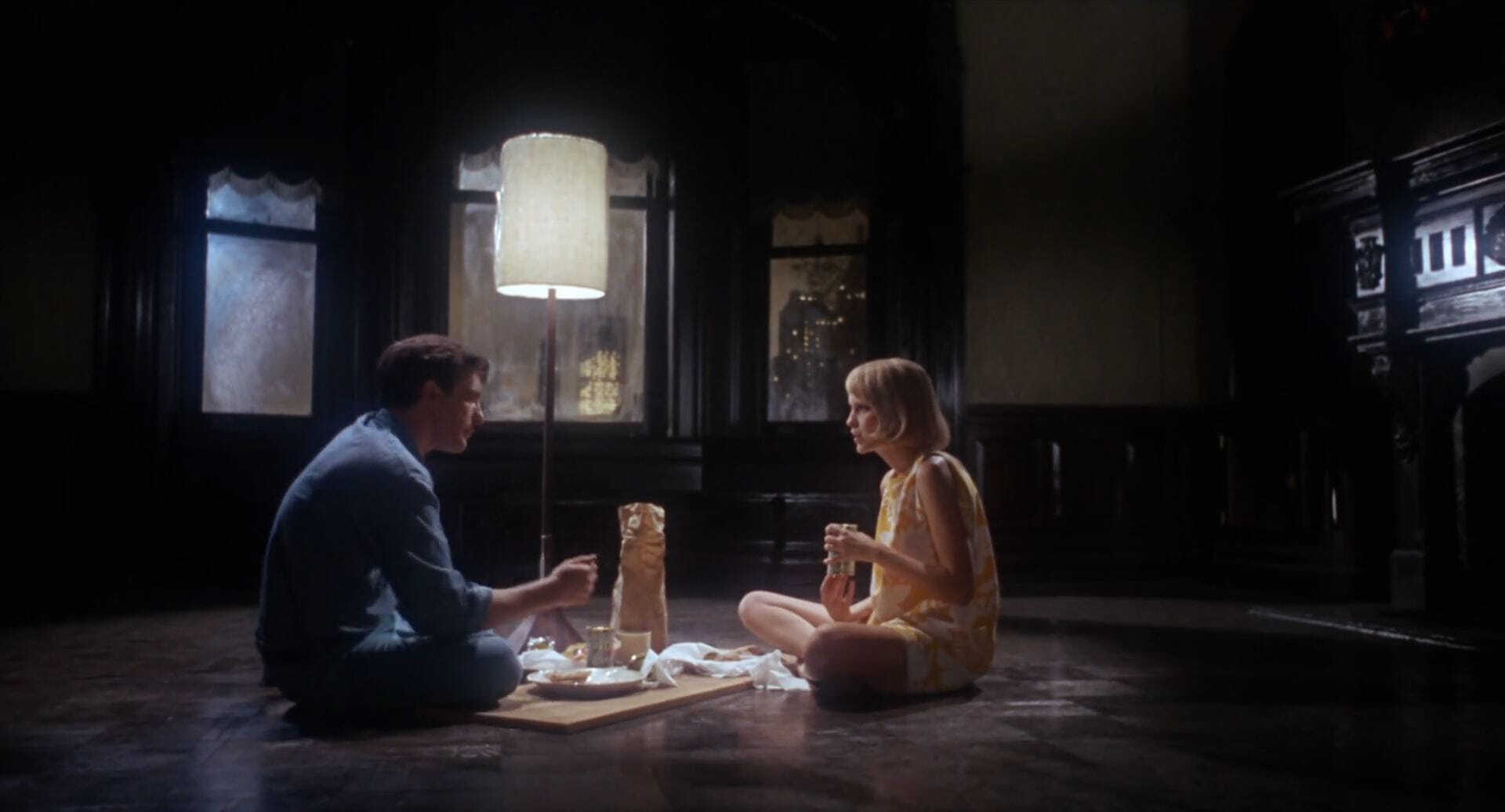
Rosemary’s Baby starts with married couple Rosemary (Mia Farrow) and Guy Woodhouse (John Cassavetes) visiting an apartment in the Bramford building in New York. Guy is a struggling actor and the two plan on having a baby soon. The pair move in and love the place; the only problem is the neighbours Minnie (Ruth Gordon) and Roman Castevet (Sidney Blackmer). The Castevets are an eccentric older couple who are just a little too enthusiastic about interacting with the loved up couple.
“It is worth remembering however, that Rosemary’s Baby is one of horror’s more direct novel to film adaptations. Polanski’s hand is only present in the shots, direction, and pacing. Not the story’s content. This is Ira Levin’s writing.”
Over time, Guy grows closer to them while Rosemary maintains her distance. Things start to get very strange however, as Guy’s suddenly reinvigorating career coincides with some very strange occurrences for poor Rosemary and her unborn child.
We can’t talk about this film without addressing its troubling director. Well, troubling seems like an understatement when it comes to Roman Polanski. Without getting too deep into the details, Polanski did some awful stuff with a minor and has been a fugitive from the US criminal justice system ever since. Many other women have come forward since, making similar claims relating to when they were children.
Reviewing a movie like Rosemary’s Baby brings up the controversial issue of separating art from the artist. Especially when the subject of said movie is a subservient woman pushed around by the people in her life. It is worth remembering however, that Rosemary’s Baby is one of horror’s more direct novel to film adaptations. Polanski’s hand is only present in the shots, direction, and pacing. Not the story’s content. This is Ira Levin’s writing.
Legendary psychological horror
Let’s try and look at the movie from a purely objective lens, despite the horrible actions of its director. Rosemary’s Baby focuses on the protagonist’s growing suspicion of those around her. Rosemary presents as a submissive, almost child like woman with a simple desire to raise a family and enjoy her life. She’s found herself in an awful situation surrounded by people who want to control her. Naturally, we don’t find out why until later on so before the whole Satanic Panic stuff kicks in this is a full blown psychological horror – a legendary one at that.


“Rosemary presents as a submissive, almost child like woman with a simple desire to raise a family. She’s found herself in an awful situation surrounded by people who want to control her.”
The really interesting thing about how this movie is presented is that its told almost entirely from the perspective of Rosemary herself. There are virtually no scenes that don’t focus on Rosemary. We end up completely immersed in her world and completely share in her sense of fear and paranoia. That seeming innocence is a mask to Rosemary’s actual intelligence. She is sceptical from the very start and not at all fooled by the Castevets. Even when her husband changes his tune, she doesn’t follow. In a world filled with people trying to control her, she maintains her independence of thought.
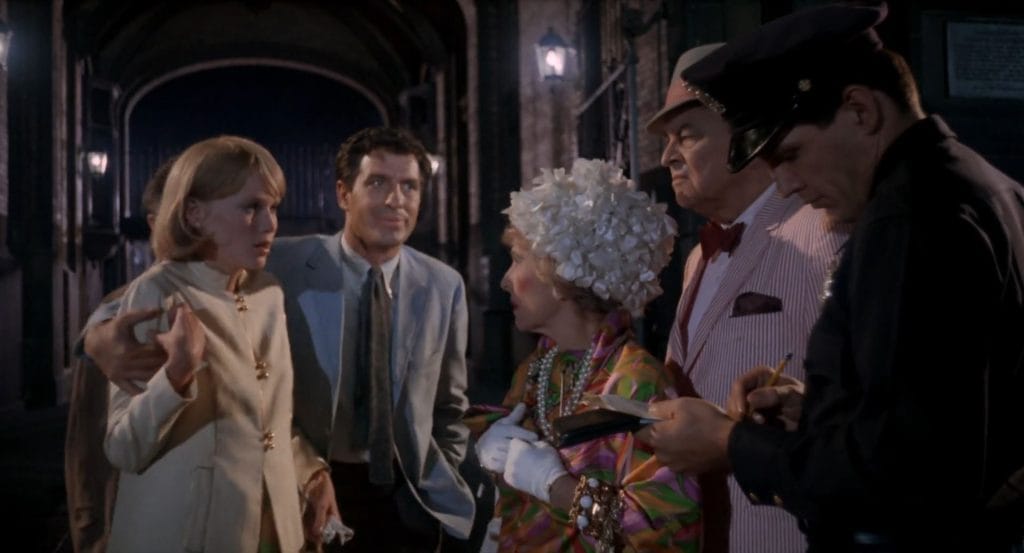
She is savvy to the bizarreness of the situation which makes for a brilliant first person perspective on the story. The viewer gets to sit right alongside her and almost share in her every thought and suspicion. It’s so easy to root for Rosemary and that’s a masterstroke of directorial genius. Rarely do a viewer and a horror protagonist share such a close relationship.
A different approach
Wildly original back in 1968; Rosemary’s Baby would go on to inspire generations of horror movie makers to come. The story plays on elements of the occult and satanic panic that were so common at the time but does it in a way that brings it to your doorstep. Foregoing blood and gore to, instead, build a sense of tension and paranoia in the viewer. It is so much more real than most other horror movies that would follow. There’s a legitimacy to the events that take place here that must have been terrifying in the late 60s and there’s a good reason for that.

Rather than out in the countryside, it was set in New York. Urban areas were not seen as scary environments capable of being a setting for a horror movie. The fact that Rosemary’s Baby takes place in such a crowded place actually adds to the horror and to the realism. Hell, if this is taking place in that huge apartment complex, it could be going on in your neighbour’s house . It makes it feel so much more accessible. To a country that was inundated with panic about Satan worshiping, it was too close for comfort.
“It’s an allegory for the isolation that comes from domestic abuse, a commentary on the patriarchal nature of society, and a finger pointed at the tendency of humans to turn the other cheek.”
It works on an even deeper level than that, too. Rosemary is so isolated yet absolutely surrounded by people. Its an allegory for the isolation that comes from domestic abuse, it’s a commentary on the patriarchal nature of society at the time, and it is a finger pointed at the tendency of humans to turn the other cheek. This is a story that will resonate with many people without them realising it.
Just watching Rosemary being repeatedly dismissed and gaslit is enough to inspire rage. That’s the real horror of it. It was relatable despite its fantastical plot. It works on so many levels. Oh and that’s without mentioning the brilliant Gothic architecture of New York which adds a ton to the horror imagery.
Excellent acting
Acting throughout Rosemary’s Baby is excellent. All of the supporting cast are fantastic with Ruth Gordon, as Minnie Castevet, being of particular note. Her turn as the bothersome next door neighbour is absolutely brilliant and earned her a career revival playing feisty older women in a host of movies. She is a scene stealer for sure and provides constant laughs throughout.
John Cassavetes as Guy is suitably smarmy and does a great job playing the controlling failed actor. It’s worth pointing out that Cassavetes went on to have an incredible directing career before his untimely death in 1989. Him and Polanski clashed frequently due to the latter’s rigid style of directing. It would be interesting to see what Cassavetes would have been able to do if given the freedom to improvise more.
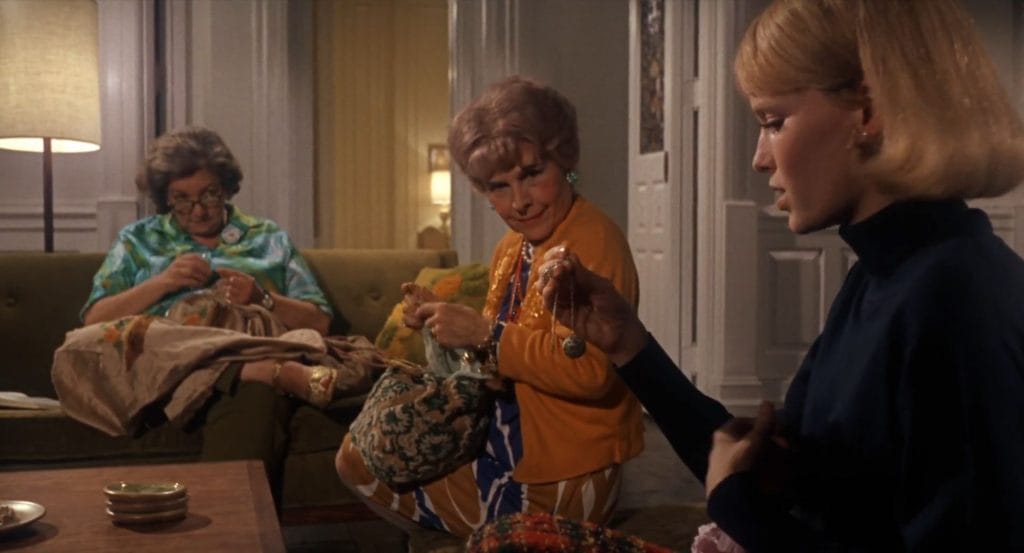
The real star of the show, however, has to be Mia Farrow as Rosemary. Tasked with carrying the entire film, her performance develops as the movie goes on and becomes a real highlight. Starting things off with an almost childlike demeanour. As events unfold, Rosemary grows more suspicious and Farrow becomes more layered in her delivery. Farrow’s somewhat delicate appearance lends itself well to a number of scenes. Her diminutive stature also offers her a sense of vulnerability and adds more tension to the picture, as a whole.
The Good, The Bad & The Ugly
The Good
- Mia Farrow: Carries the film with a nuanced performance that perfectly portrays a woman’s descent into a nightmare of paranoia.
- Atmospheric Dread: The film is a masterclass in building tension through suggestion and urban isolation rather than jump-scares or gore.
- Ruth Gordon: Her Oscar-winning performance as Minnie Castevet is both hilariously bothersome and genuinely unnerving.
The Bad
- Dated Dynamics: The subservient nature of the female characters and 1960s gender roles may feel jarring to a modern audience.
- Deliberate Pace: At over two hours, the slow-burn approach requires a level of patience that some contemporary viewers might find challenging.
- Tired Tropes: Because the film was so influential, some of its revolutionary techniques now feel somewhat “camp” or familiar.
The Ugly: The Gaslighting. The systematic emotional abuse and dismissal of Rosemary’s concerns is far more terrifying than any supernatural element.
Should You Watch Rosemary’s Baby?
Yes. It is a 4.2 star film that serves as a cornerstone of the horror genre. Beyond its historical importance, it remains a gripping and expertly crafted thriller that explores themes of trust, autonomy, and the fear of the unknown. If you can move past the controversies surrounding its director, you will find a film that is as intelligent as it is haunting. It is a mandatory watch for any serious horror fan and a testament to the power of psychological storytelling.
You might also like:
- The Conjuring: Last Rites (2025) review – A soulless end to the saga
- Do Not Enter (2026) Review – A Derivative Urbex Trap? (Quick Verdict + Analysis)
- Raw (2016) Review – A Visceral But Formulaic Coming Of Age Horror
- Knock at the Cabin (2023) Review – A Tame and Toothless Adaptation
- The Children (2008) Review – A Chilling and Brutal Festive Nightmare
Our Scoring Philosophy: A Fair Fight
Horror is a genre that thrives thanks to indie film makers and low budget creators. At Knockout Horror, we firmly believe that every movie that we review deserves a fair fight. That's why we grade on a curve. Our star ratings are all about context, judging a film on what it achieves with the resources it has.
A 4-star rating for a scrappy indie horror made for $10,000 is a testament to its ingenuity and raw power. A 4-star rating for a $100 million blockbuster means it delivered on its epic promises. We don't compare them side-by-side; we celebrate success in every weight class, from the back-alley brawler to the heavyweight champion. Please keep this in mind when considering star ratings.