Noroi: The Curse (2005) Review – A Masterclass in Found Footage J-Horror
Noroi: Quick Verdict
The Verdict: A masterfully constructed and profoundly unsettling epic that stands as the definitive gold standard for the found footage sub-genre. Noroi: The Curse (2005) succeeds by treating its complex mythology with absolute sincerity, weaving a dense tapestry of Japanese folklore, missing persons cases, and occult conspiracy that feels disturbingly real. Kōji Shiraishi’s direction is patient and methodical, eschewing cheap jump-scares in favour of a mounting, inescapable dread that permeates every frame. Jin Muraki delivers a perfectly grounded performance as the determined researcher, supported by a cast that brings a raw, jagged reality to the supernatural proceedings. While the near two-hour runtime and deliberate pacing may test the patience of casual viewers, the psychological payoff is immense, culminating in one of the most haunting and lingering finales in modern horror history. This 4.5 star effort is a technical and narrative triumph that demands the viewer’s full attention.
Details: Director: Kōji Shiraishi | Cast: Jin Muraki, Marika Matsumoto, Rio Kanno | Runtime: 1h 55m | Release Date: 2005
Best for: Fans of high-concept found footage, lovers of complex J-horror mythologies, and those who appreciate slow-burn atmospheric dread.
Worth noting: The film’s primary antagonist, the demon Kagutaba, was created specifically for the movie but was based on a combination of various real Japanese urban legends and ancient rituals.
Where to Watch: VOD, Amazon🛒
Rating: 4.5/5 Stars
(A masterfully paced and genuinely terrifying documentary-style horror that uses a complex web of folklore and conspiracy to create one of the most authentic and haunting found footage experiences ever filmed.)
Welcome to Knockout Horror. Today we are going back to the found footage well to take a look at the 2005 J-horror phenomenon that is Noroi: The Curse.
Highlights
A J-horror found footage masterpiece
The story is pretty simple here and I won’t go into too much detail. Noroi follows paranormal researcher Masafumi Kobayashi, played by Jin Muraki, as he investigates the legend of the demon Kagutaba. After a young girl with supposed telekinetic powers went missing, Kobayashi decided to follow some leads. Unfortunately, his investigation takes him into danger and he goes missing himself. The footage recovered from his cameras is then compiled and presented as a documentary about his disappearance.
“Noroi: The Curse is one of the best examples of how good found footage can be when done right. Shiraishi expertly blends horror with a documentary style to create something believable and terrifying.”
Look, this is a maligned genre, people either love or hate found footage. Noroi: The Curse is one of the best examples of how good the found footage horror genre can be when done right. Many found footage movies have potential but few realise it in the way Noroi does. Director Kōji Shiraishi expertly blends horror with a documentary style presentation to create something that is both believable and terrifying.
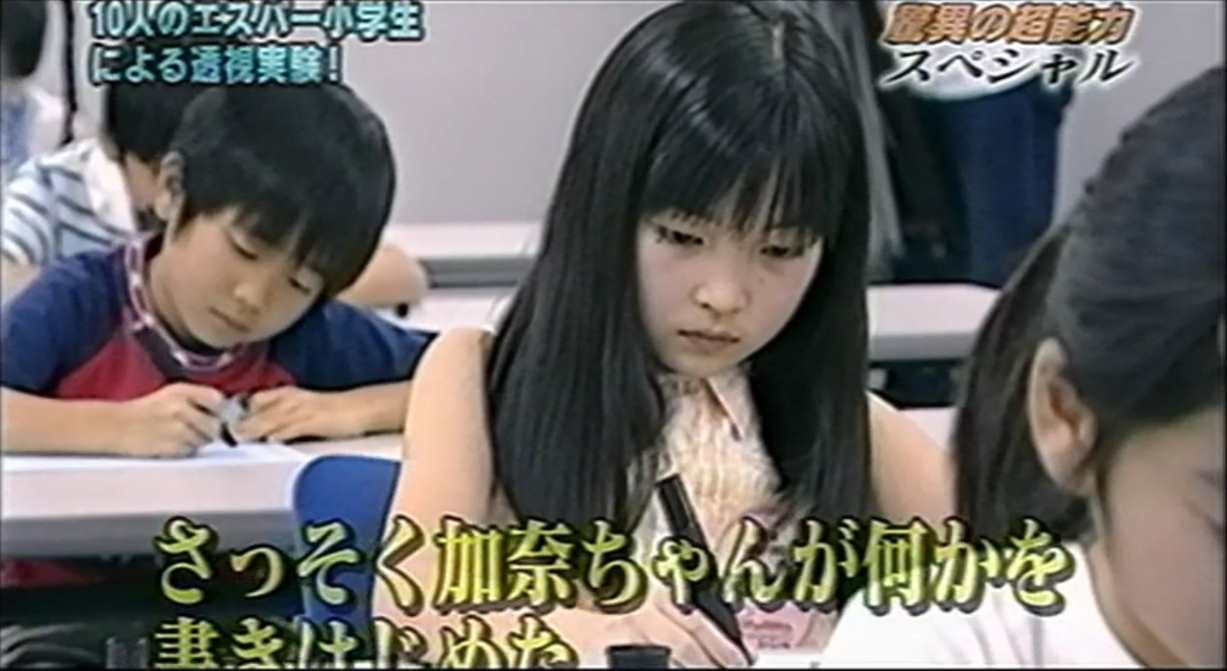
Nothing here is presented with even the slightest hint of irony. A young girl has gone missing, people have been impacting, and something is responsible. That something seems to be far from human. Shiraishi goes deep into Japanese history, folklore, and superstition to weave a story that it’s frightening in both its complexity and its content. He takes us deep into the pits of conspiracy before pulling us out feeling frazzled and just a little sad at what we witnessed.
Deliberately slow paced and considered
Noroi: The Curse is a slave to its pacing, for better or for worse. Noroi feels absolutely no rush to tell its story. Luckily, it is a compelling story that will have you glued to the screen wondering what will happen next. The crazy thing is, it doesn’t really do it with scares. It’s all drip fed exposition, background information, and new story revelations. The horror comes more from that never ending sense that something isn’t right. With that being said, people with no tolerance for slow burn horror will likely want to give this a miss.
The scares deserve special mention, too because I think this confuses people about the movie. It’s not a jump scare horror in the slightest. Indeed, the entire story feels as though it is holding it all back until its final, post credits, ending. There are very few actual attempts to make the viewer jump. It’s a ghost story that you would tell around a campfire, only presented in documentary format. It weaves together a narrative that digs into your psyche and makes you feel genuinely uncomfortable.
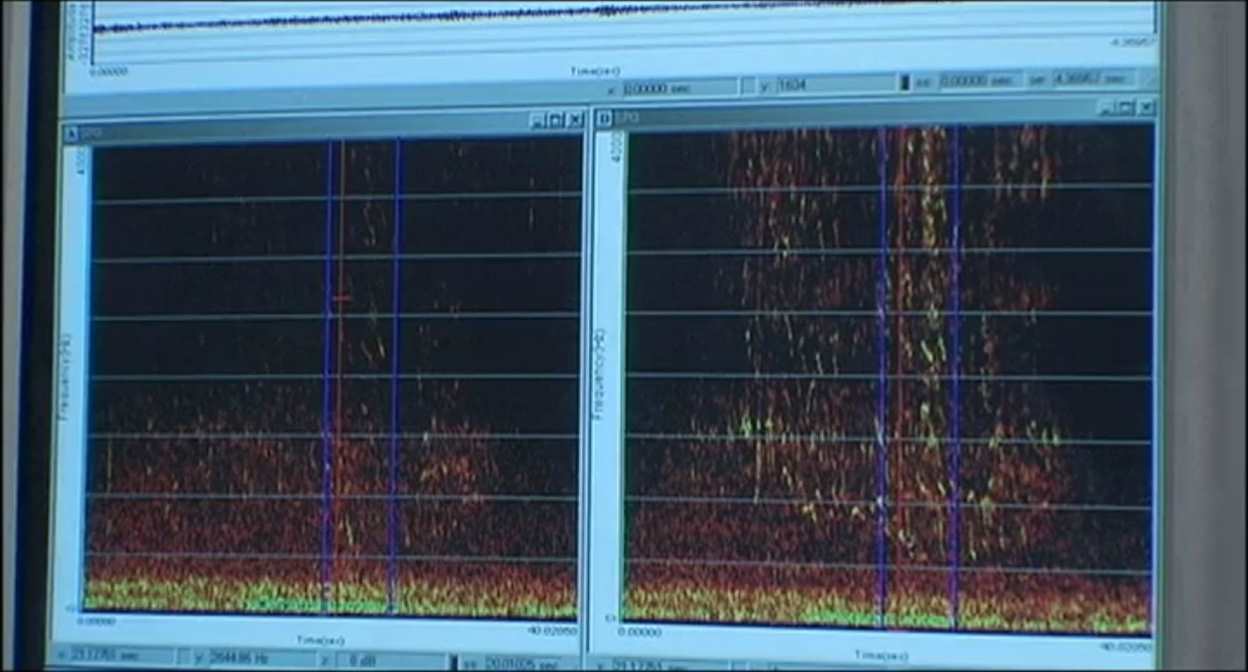
That’s not to say that Noroi isn’t scary, though; far from it, in fact. The entire premise of the movie is scary in itself and some of the characters are plain unsettling. Hori is so well acted that you honestly believe he is suffering from severe mental trauma. Every scene featuring him, and a few other characters, has you on edge.
“The horror comes from that never-ending sense that something isn’t right. It’s a ghost story you would tell around a campfire, digging into your psyche and making you feel genuinely uncomfortable.”
Noroi also features one of the most fantastic, and creepy, horror endings in the entire found footage genre. Some have called it one of the scariest endings in horror history and, while I don’t agree, it does stay with you. Watch it in a dark room with the sound up. When found footage is this effective it is easy to understand why so many people chose to make movies in this style.
Excellent acting
Acting in Noroi is absolutely fantastic. Kobayashi, played by Jin Muraki, is excellent and totally believable. Found footage always needs a strong lead to carry the plot and Kobayashi fits the bill perfectly. He acts as a vessel for the viewers confusion and surprise as the events of the movie unfold. There is no real exposition here so we find out what is going on at the same time as Kobayashi does.
It’s worth pointing out here that Noroi does not consist purely of found footage. Some of the footage comes from TV shows, chat shows, and variety shows. This makes for a great change of pace and helps separate Noroi from other similar found footage movies. One of these TV shows introduces us to Marika Matsumoto who is a well known Japanese actor playing an alternate version of herself. Marika plays an excellent and likeable role that is used mainly for some degree of explanation as to what is going on with other characters.

Hori, as mentioned above, played by Satoru Jitsunashi, puts in an intense and believable performance as a tormented psychic. Hori’s constant ticks and erratic behaviour keep you on edge in every scene he is in. Nobody in Noroi puts in a bad performance and it just adds to the authenticity of the whole thing.
Lots of shaky cam
It has to be mentioned as this is a found footage. Noroi features a ton of shaky cam footage. It is not like this throughout but there are a number of scenes where things get a little crazy. I think this is somewhat deliberate to create a sense of chaos but it can be off putting. Some people feel nauseous easily when it comes to this type of camera work. Noroi is likely to bring about those feelings if you are sensitive to that.
“If you haven’t seen Noroi yet and you enjoy slow-burn, realistic horror, do yourself a favour, grab a spare pair of pants, and go and watch it. It is unsettling and terrifically affecting.”
Noroi also features abrupt transitions from shot to shot. Again, this is likely deliberate but, on a second watch, I found it a bit jarring. Transitions are not at all smooth and it gives a somewhat cheap feeling to the editing. I wouldn’t be surprised if this was deliberate but I would have preferred a few fades rather than constant cut to black screen type transitions.
Special effects have not aged well. Although used sparsely, the scenes featuring special effects are nearly always less impactful than scenes that don’t feature them. This is often a problem with found footage. The presentation is so realistic that anything that isn’t right there on the screen stands out. It’s not a major issue, though, and just a minor knock on an otherwise great movie.
The Good, The Bad & The Ugly
The Good
- Absolute Authenticity: The mix of TV variety shows, interviews, and handheld footage makes the story feel like a genuine recovered documentary.
- Deep Mythology: The film builds a fascinating and terrifying lore around Kagutaba that feels grounded in actual history and folklore.
- Unsettling Atmosphere: The lack of jump-scares allows the dread to simmer and grow, resulting in a far more impactful psychological experience.
The Bad
- Nauseating Shaky Cam: Certain high-tension sequences feature extremely frantic camera movements that may cause motion sickness for some.
- Deliberate Pacing: At nearly two hours, the slow-burn approach requires a level of patience that might alienate viewers used to faster-paced horror.
- Dated Visual Effects: The sparse use of CGI hasn’t aged particularly well, occasionally breaking the immersion established by the practical sets.
The Ugly: The “Foil” Man. The character of Hori is so intensely acted and disturbed that his presence provides some of the film’s most visceral and uncomfortable moments.
Should You Watch Noroi: The Curse?
Yes. It is a 4.5 star film that represents the absolute pinnacle of found footage horror. If you value world-building, atmosphere, and a story that treats its audience with intellectual respect, Noroi is mandatory viewing. While the slow speed and long runtime are barriers for some, the sheer craftsmanship and the chilling final revelation make it one of the most rewarding experiences in the genre. It is an intelligent, technical, and profoundly disturbing masterpiece that proves J-horror still reigns supreme in psychological terror.
Our Scoring Philosophy: A Fair Fight
Horror is a genre that thrives thanks to indie film makers and low budget creators. At Knockout Horror, we firmly believe that every movie that we review deserves a fair fight. That's why we grade on a curve. Our star ratings are all about context, judging a film on what it achieves with the resources it has.
A 4-star rating for a scrappy indie horror made for $10,000 is a testament to its ingenuity and raw power. A 4-star rating for a $100 million blockbuster means it delivered on its epic promises. We don't compare them side-by-side; we celebrate success in every weight class, from the back-alley brawler to the heavyweight champion. Please keep this in mind when considering star ratings.
Support the Site Knockout Horror is a participant in the Amazon Services LLC Associates Program. Basically, if you click a link to rent or buy a movie, we may earn a tiny commission at no extra cost to you. As an Amazon Associate, I earn from qualifying purchases. This helps keep the lights on and the nightmares coming. Don't worry, we will never recommend a movie purely to generate clicks. If it's bad, we will tell you.
Disclaimer: Images, posters, and video stills used in this review are the property of their respective copyright holders. They are included here for the purposes of commentary, criticism, and review under fair use. Knockout Horror makes no claim of ownership and encourages readers to support the official release of all films discussed.