
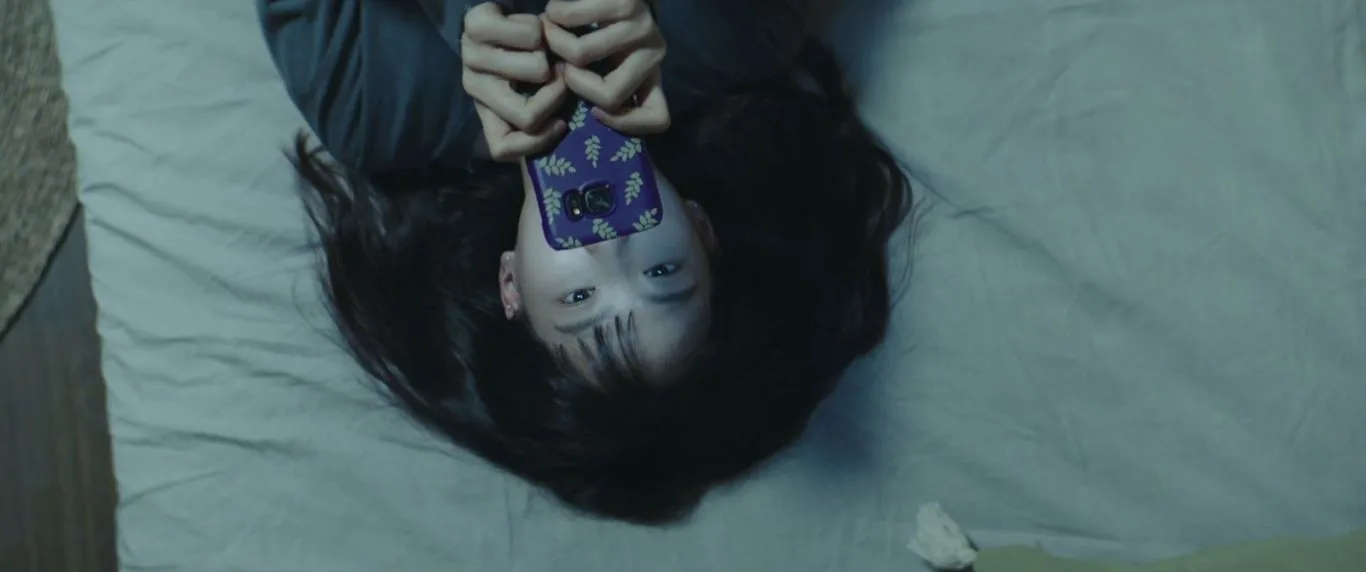
Unlocked (2023) Ending Explained – The “Victim 0” Identity Twist
Movie Details: Director: Kim Tae-joon | Runtime: 1h 57m | Release Date: 2023 | Star Rating: 3.5/5 Stars
Welcome to Knockout Horror and to our Unlocked (2023) Ending Explained article. We checked out Unlocked recently and were thoroughly impressed by its ability to turn a mundane object into a weapon of total destruction. While the film leans more toward a cat-and-mouse crime thriller than traditional horror, It’s still fun for genre fans. If you’ve finished the film and are reeling from that identity twist or the “Victim 0” reveal, you’re in the right place.
⚠️ Warning: Major spoilers follow below.
The Ending in Brief
The TL;DR: The antagonist “Oh Jun-yeong” is not who we think he is. He is a serial killer with no registered identity who steals the lives of his victims. He murdered Detective Woo Ji-man’s actual son, Jun-yeong (Victim 0), and assumed his name to taunt the father. Lee Na-mi survives by using a clever “No Texts, Only Calls” code to alert the police. When he forces her to text the police to tell them she is fine, they realise that the opposite is actually true and storm the house. Nami shoots the killer, but news reports later reveal he survived the encounter.
Who was the killer? He is a cipher – a man without a birth record. He murdered seven people before Nami, using smartphone spyware to isolate them from their families before drowning them. His first victim was the son of the detective chasing him.
How did Nami trick him? She showed the detective a business card with a secret note. She told the killer she would “text” the police to say she was safe, knowing the police would interpret a text, rather than a call,as a distress signal.
The Resolution: Nami and her father survive the drowning attempt. The killer is arrested but lives. The final scene suggests Nami is now permanently traumatised, forever looking over her shoulder for the next digital shadow.
Good to Know: The film is based on a Japanese novel by Akira Shiga, which was also adapted into a 2018 Japanese film titled Stolen Identity.
Table of Contents
Unlocked (2023) Ending Explained
No plot recap here, let’s get straight into it. To understand the finale of Unlocked, we first have to look at the worryingly efficient methodology of the killer. Lee Na-mi (Chun Woo-hee) loses her phone after a night of heavy drinking, we’ve all been there right? I have a home bar and still lose my phone in it after a few shants.
This is the only “mistake” she makes, but in the digital age, it’s a fatal one. The man who finds it isn’t interested in a reward; he’s interested in her digital identity.
The Spyware: How Jun-yeong Took Control
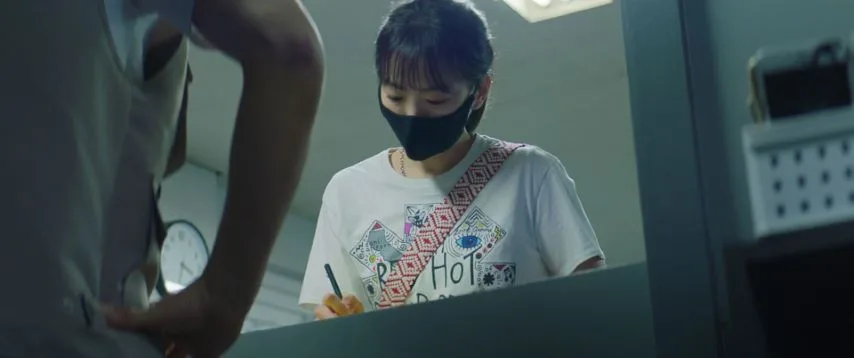
The antagonist doesn’t just “hack” Nami; he performs an invasive digital colonoscopy with no lube. By breaking her screen and forcing her to visit his repair shop, he gains her physical passcode. This allows him to install a Remote Access Trojan (RAT).
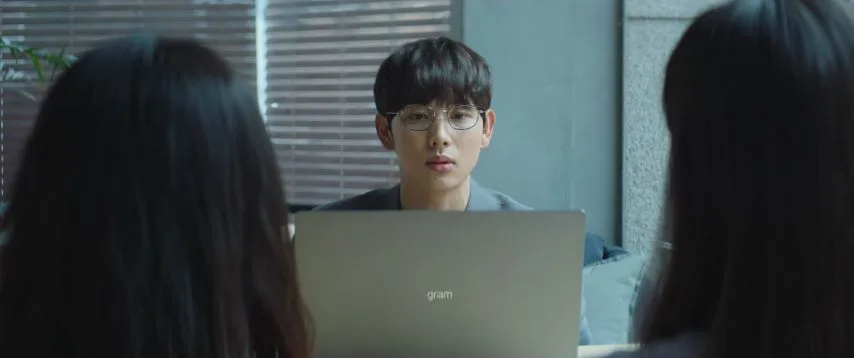
Time to scare you a little, here. This isn’t just thriller movie bullshit; it’s a very real form of malware that allows an attacker to see the screen, record audio through the microphone, and even activate the camera without the user’s knowledge.
By monitoring her every move, Jun-yeong learns her “weak points”… He discovers she has a secret Instagram account for her father’s cafe, he learns about her relationship with her best friend Eun-joo, and he finds out about a high-stakes business deal at her work.
He uses this data to systematically dismantle her support system, making her social group believe she is unstable or malicious until she is entirely isolated. She even falls out with her father who is later kidnapped.
Digital Security Fact: The Dangers of Repair Shops
Unlocked highlights a very real vulnerability: The Supply Chain Attack. When you hand your unlocked phone to a technician, you are giving them total access to your banking, photos, and messages.


Security experts recommend “Maintenance Mode” (available on newer Androids) or backing up and wiping your device before handing it over for repair.
In the movie, Nami writes her passcode on a piece of paper, a moment that every security-conscious viewer likely winced at. This was the moment Jun-yeong “unlocked” her life.
The Detective’s Tragedy: Who is Oh Jun-yeong?
While Nami is being stalked, Detective Woo Ji-man (Kim Hee-won) is investigating a string of murders. He finds a plum tree at a crime scene – a calling card that points toward his estranged son, Oh Jun-yeong.

Jun-yeong seemingly had a bad relationship with his parents. He hasn’t seen his dad for a long time and his mum doesn’t actually know where he is. Jun-yeong loves plums and a plum tree was found at the murder scene. A bit of a casual link but we will go with it for the movie’s sake.
This creates a heartbreaking red herring for the audience. We believe we are watching a father hunt his own monster of a son but that’s not really true. The truth revealed at the end is far darker.
What happened to Oh Jun-yeong?
The detective’s son, Oh Jun-yeong, was dead all along. The person using his name now, is actually a serial killer with no name. He is a “ghost” who was never registered at birth. His MO is to murder someone, steal their identity, use it to kill others, and then move on to the next “vessel”.

He murdered the real Oh Jun-yeong (Victim 0) years ago. He kept the name specifically to taunt the detective, knowing that Ji-man would blame himself for his son’s “crimes”.
The “No Texts, Only Calls” Trick
The climax of the film hinges on a clever bit of non-verbal communication. The detectives initial plan to lure the killer to the house failed. They believed that Jun-yeong was just an innocent man walking in the street as the detective didn’t recognise him as being his son… You know, because he isn’t.
When the detectives take Nami to her father’s house, she realises she is still being watched. She writes a note on Ji-man’s business card that reads: “No Texts, Only Calls” and gives it to him. He acknowledges the note. Nami knows the killer is still watching her and doesn’t feel safe.
Nami relaxes for a little before receiving a message from Jun-yeong. She calls him only to hear the phone ringing from above her. Startled and fully aware of the danger, she jumps up. Jun-yeong begins manipulating her phone as she tries to get to safety but he is already in the house.
Social Engineering: The “Human Hack”
The scariest thing about Unlocked isn’t the software; it’s how easily the killer manipulates Nami’s reality. This is Social Engineering – hacking the person instead of the device.
- Isolation: By leaking her work secrets and framing her best friend, the killer destroys her support system. He makes her “toxic” so she has no one to turn to when things get violent.
- Pretexting: He uses her own phone to text her father. Because the message comes from a trusted contact, her dad ignores his instincts and installs the malware himself.
The Takeaway: We are usually the weakest link in our own security. The killer didn’t need to bypass a firewall; he just needed Nami to trust him for five minutes in a repair shop.
Jun-Yeong’s Big Mistake
Jun-yeong is now holding Nami captive in her own father’s house. He tells her that if someone contacts her in the next 24 hours, he will let her live. This is unlikely because he has ruined all of her relationships and he knows this. This is where he slips up, though.
He forces Nami to text the detectives to say she is safe. Because Ji-man saw her note, he knows that any text coming from her phone is actually a sign of danger. If she were truly safe, she would have called. This allows the police to track her location and infiltrate the house just as the killer is attempting to drown Nami and her father in the bathtub.
The Victim Count: Oh Jun-yeong’s Ledger
The killer kept a literal ledger of his victims. Here is the breakdown provided in the film’s finale:
Victim 0: Woo Jun-yeong (The Detective’s son). Murdered years ago to provide the killer with a social identity.
Victims 1-6: Various young people who lost their phones. These include the girl who “went to Thailand” and the bodies Ji-man found buried in the woods.
Victim 7: Lee Na-mi. She was intended to be the final kill in this town before he moved to a new region to start the cycle again.
The Final Twist: He Still Lives
In a fit of rage and grief for her father, Nami takes the detective’s gun and shoots the killer in the chest. We see her father being resuscitated, and it feels like a standard “happy ending.” However, the news reports at the very end reveal that the killer survived the shooting.
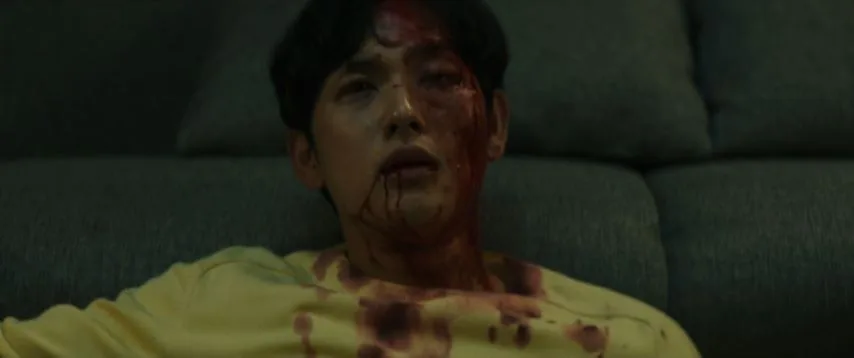
Because he was never registered at birth, the police cannot even identify him. He is a man with no paper trail, which makes him the ultimate predator for a digital world that relies on data to track threats. The final shot of Nami being watched through a phone camera in the cafe suggests that while this killer is in custody, the threat is omnipresent. In a world where we are all “unlocked,” someone is always watching.
Frequently Asked Questions
Was Oh Jun-yeong really the detective’s son?
No. The actual Oh Jun-yeong was the killer’s first victim (Victim 0). The antagonist murdered him, stole his identity, and used his name to taunt Detective Ji-man. The killer has no legal name or birth record.
How did the killer know Nami’s passcode?
He broke the phone screen and lured her to his fake repair shop. He asked her to write her passcode down “so he could test the touch functions,” which gave him total access to the device.
Did Nami’s father die?
No. Although he was held underwater in the bathtub, the detectives arrived in time to perform CPR and resuscitate him. Both Nami and her father survived the ordeal.
What was the purpose of the plum tree?
The detective’s son loved plums, which is why Ji-man suspected him when he found a plum tree at a murder scene. However, the killer likely planted the tree or used that symbolism specifically to frame the son and manipulate the detective’s guilt.
Is Nami still being watched at the end?
No. The ending is more to illustrate that we are all capable of being watched thanks to the modern age we live in. Phones, CCTV, devices are everywhere.
Final Thoughts – Your Phone is a Snitch
Unlocked is a stark reminder that our digital footprint is often much larger than we realise. By focusing on a killer who uses social engineering rather than supernatural powers, the film creates a sense of dread that is actually grounded in modern reality. The twist of “Victim 0” adds a layer of South Korean emotional weight (Han) that makes the finale hit much harder than your average American slasher. Keep your passcodes secret and your repair shops vetted. Oh, and delete those nude pics, you never know who is watching. Thanks for reading!
Looking for more? If you enjoyed this breakdown, check out our review of Unlocked or browse our Horror Movie Lists.
A Note on Ending Explanations
While we aim to provide comprehensive explanations based on the events on screen, film analysis is inherently subjective. The theories and conclusions presented in this "Ending Explained" feature are personal interpretations of the material and may differ from the director's original intent or your own understanding. That's the beauty of horror, right? Sometimes the scariest version is the one you build in your own head.
You might also like:
- A Nightmare on Elm Street Part 2: Freddy’s Revenge (1985) review – The franchise’s confusing black sheep
- In a Violent Nature (2024) Ending Explained – The Bear Story & Locket Meaning
- Slapface (2022) Review – A Messy and Muddled Metaphor for Abuse
- Killer Whale (2026) Ending Explained – The Orca, The Cello & The Betrayal
- Chest (2022) Review – A Poorly Filmed and Boring Appalachian Fumble
Disclaimer: Images, posters, and video stills used in this horror ending explained article are the property of their respective copyright holders. They are included here for the purposes of commentary, criticism, and review under fair use. Knockout Horror makes no claim of ownership and encourages readers to support the official release of all films discussed.