Lake Mungo (2008) Review – A Haunting Masterclass in Grief and Mystery
Lake Mungo: Quick Verdict
The Verdict: A profoundly unsettling and emotionally resonant experience that stands as a high-water mark for the mockumentary sub-genre. Lake Mungo (2008) succeeds by prioritising the crushing weight of grief over cheap jump-scares, resulting in a horror film that feels disturbingly authentic. Joel Anderson masterfully blurs the lines between fiction and reality, using grainy, low-fidelity footage and naturalistic interviews to create a sense of genuine documentary grit. The film’s strength lies in its layers; what begins as a simple ghost story evolves into a complex mystery about the secrets we keep and the people we never truly know. This 4 star effort is essential viewing for fans of high-concept found footage and anyone who appreciates horror that lingers in the mind long after the credits. It is a quiet, visionary, and deeply haunting masterpiece of Australian cinema.
Details: Director: Joel Anderson | Cast: Rosie Traynor, David Pledger, Talia Zucker | Runtime: 1h 27m | Release Date: 2008
Best for: Fans of slow-burn psychological horror, realistic mockumentaries, and viewers who enjoy mysteries that reward close attention.
Worth noting: The film was mostly unscripted; the actors were given detailed character backgrounds and plot points, then encouraged to improvise their dialogue to enhance the documentary feel.
Where to Watch: VOD, Amazon🛒
Rating: 4/5 Stars
(A masterfully paced and profoundly sad mockumentary that uses the language of documentary filmmaking to deliver a chilling exploration of family secrets and existential dread.)
Welcome to Knockout Horror. Today we are taking a look at Joel Anderson’s Australian mockumentary Lake Mungo from 2008.
Highlights
A haunting exploration of grief and loss
Lake Mungo follows the story of the Palmer family. While on a day trip to a local dam, their daughter Alice (Talia Zucker) drowned. What follows is a collection of interviews with the family and friends of Alice, documenting their struggle to move on from the tragedy and their accounts of a supposed encounter with Alice’s spirit. She is supposedly still haunting the family and staying beside them through their grief. But is there more to the story than meets the eye?
“Lake Mungo finds itself placed somewhere between mockumentary and found footage. The genius thing is in how Joel Anderson makes you think you are watching a real documentary.”
Lake Mungo finds itself placed somewhere between mockumentary and found footage. The movie is presented as a very convincing documentary about the death of Alice Palmer. It features handheld camera footage taken by the characters themselves, absolutely awful phone camera footage that looks like it was filmed on a potato, and interviews with family. We also see a bunch of old photos and home videos.

It’s pretty standard mockumentary fare. The genius thing, however, is in how Joel Anderson makes you think you are watching a real documentary. It’s extremely authentic as far as Aussie and British docs go and well presented. Let’s be honest, though… It is going to be divisive. Found footage is already very Marmite and when you throw in the documentary styling you are only further drawing a line in the sand. People who hate this style need not apply: it won’t change your mind.
A slow burning, haunting story
Lake Mungo sets its story up gradually and slowly bleeds out its scares. It demands attention to what is happening and reels you in with a sympathetic family suffering from an awful trauma. This is a truly disturbing tale and, as the movie goes on, it becomes even sadder. To lose a young daughter on a family day out would be bad enough. The revelations that come out about Alice as the movie goes on only add to the family’s pain and anguish. It’s a profoundly sad story.
“It is this mix of grief and the paranormal that makes Lake Mungo so compelling. You genuinely want to know whether the family are seeing her ghost or not.”
This is a family that, perhaps, had more issues than they realised and the documentary style is a perfect way to reveal this. We are constantly learning new things about Alice, her home life, and her life outside of the home. While this is happening, we are also being exposed to the haunting things happening to the family. They still feel Alice’s presence and bizarre things are happening that the viewer becomes privy. Whether this is a manifestation of grief or an actual haunting slowly becomes more apparent.
It is this mix of grief and the paranormal that makes Lake Mungo so compelling. You eagerly anticipate the next reveal. You genuinely want to know what has happened to Alice and whether the family are actually seeing her ghost or not. It is incredibly gripping for anyone that enjoys slow burn horror. It helps that Lake Mungo is expertly paced. You are never left bored. There are few better examples of combining family drama with a slow burn mystery and a legitimate ghost story.
It’s not for everyone
As mentioned earlier, Lake Mungo almost certainly won’t be for everyone. It is a slow moving story that relies on atmosphere and a viewer with a keen eye for most of its scares. While it is genuinely creepy in parts, this is only a secondary aim of the film. It is, primarily, made to get into your head and make you empathise with the characters. I am sure some people will not even consider it a horror movie at all. The horror genre is incredibly broad but some people’s enjoyment is very linear.

Lake Mungo is slow paced and the context of the scares comes from the story being told. If you are a viewer that is likely to get bored without a decent amount of action then you may want to skip this entirely. It could, perhaps, be argued that the documentary style nature of the movie takes away from the scares somewhat. We are, after all, being told about events that have already happened. I, personally, don’t think this is the case. The documentary style offers a layer of realism to everything. I actually think this really adds to the horror but I doubt everyone will think the same.
I think the movie takes a bit of a misstep in the first half. A major revelation takes all the established tension and flushes it down the toilet. Lake Mungo is then left to try to re-establish the viewer’s belief in the events taking place and draw the viewer back in. A task which I think it will fail to do with some viewers. In all honesty, it took me a third viewing to get past this as it always took me right out of the flow. Stick with it, though, as the real horror comes later on.
Fantastic acting
The mockumentary style horror movie demands convincing performances from its actors. Lake Mungo has this in spades. There really isn’t a weak performance in the entire movie and some stand out for being absolutely amazing. It is almost as if the actors actually experienced the events of the movie and were just relating them to the camera as they would in an actual documentary. I should point out, as well, that this was mostly retro-scripted. The actors were given bullet-points and told to improvise to make the dialogue sound authentic. Amazing stuff!
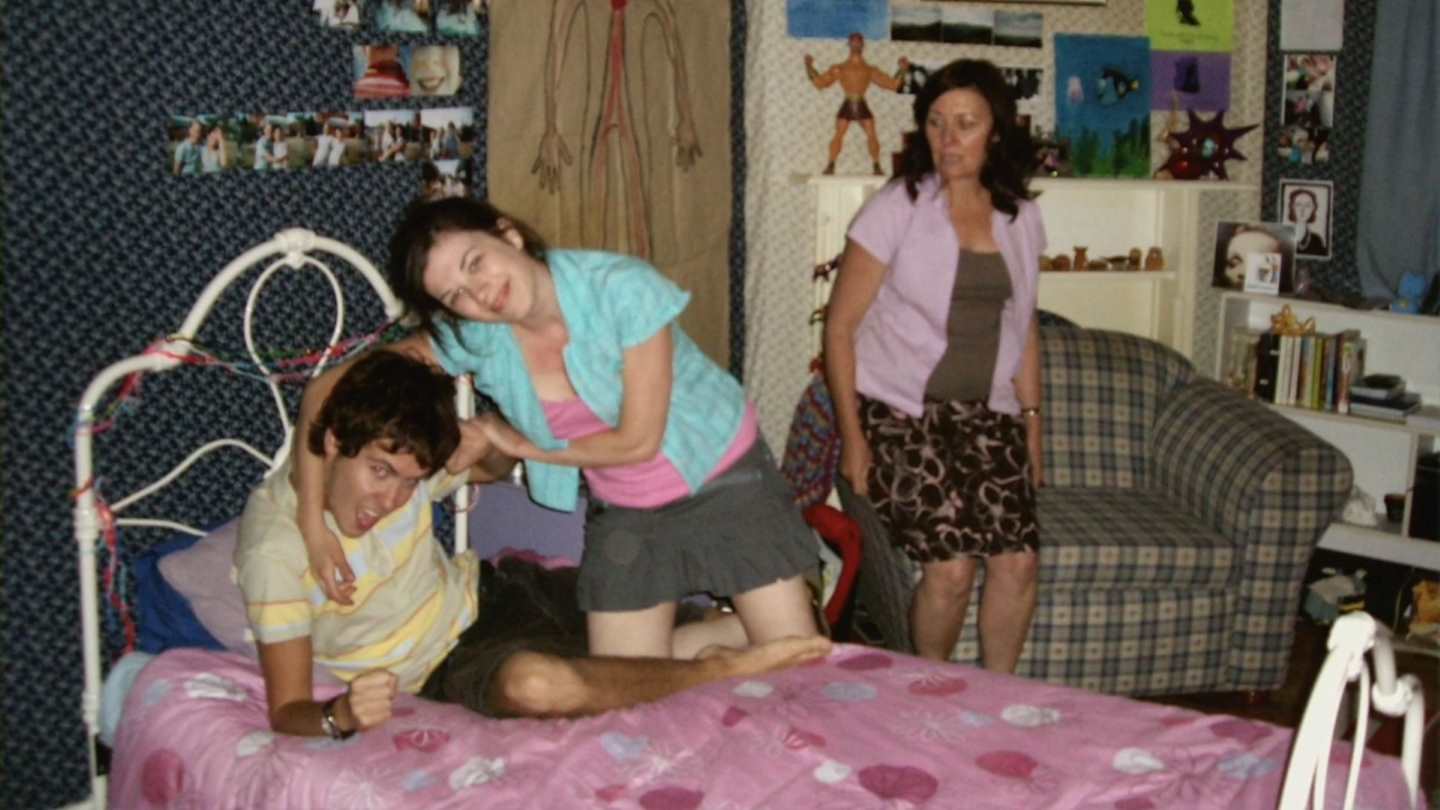
Rosie Traynor, in particular, is incredible. There are parts of the movie where you could legitimately believe that she lost her daughter and was heartbroken. At one point she is reading her daughter’s diary and the emotion she displays is so believable and authentic. It’s a powerful scene in a movie full of powerful scenes. It’s worth keeping in mind that there was no script for this movie.
“For those of us who like it, Lake Mungo is one of the best found footage movies ever made. There is an incredibly haunting movie with a deep focus on the grieving process.”
The collective cast’s performances are one of the things that makes Lake Mungo such a compelling watch. You are never once taken out of a scene by awful acting and the characters seem genuinely invested in what they are talking about. This investment means that when they talk about something they saw or something that happened you believe them. As far as mockumentary and found footage horror goes, you would have to go a long way to find an overall better cast.
The Good, The Bad & The Ugly
The Good
- Absolute Authenticity: The documentary styling is so convincing that many viewers have mistaken the film for a real-life true crime story.
- Emotional Depth: The film explores grief and the “unknown” aspects of our loved ones with a maturity rarely seen in the horror genre.
- Improvised Performances: The lack of a traditional script allows for incredibly natural, believable reactions that ground the paranormal elements.
The Bad
- Low Scare Frequency: Viewers seeking a high-volume jump-scare experience will likely find the film’s slow, atmospheric approach frustrating.
- Middle Pivot: A major revelation halfway through shifts the tone significantly, which may disrupt the “buy-in” for some audience members.
- Potato Quality: The intentional use of low-resolution phone and security footage, while authentic, can be difficult to parse for some.
The Ugly: The Phone Footage. One specific, blurry sequence at the end of the film provides one of the most legitimate and lingering scares in found footage history.
Should You Watch Lake Mungo?
Yes. It is a 4 star film that represents a high point for Australian independent horror. If you appreciate films that stay with you and force you to think about the nature of loss and identity, this is essential viewing. While its deliberate speed and mockumentary format aren’t for everyone, the emotional payoff and the chilling final reveal are more than worth the investment. It is an intelligent, technical, and profoundly moving piece of genre cinema.
Our Scoring Philosophy: A Fair Fight
Horror is a genre that thrives thanks to indie film makers and low budget creators. At Knockout Horror, we firmly believe that every movie that we review deserves a fair fight. That's why we grade on a curve. Our star ratings are all about context, judging a film on what it achieves with the resources it has.
A 4-star rating for a scrappy indie horror made for $10,000 is a testament to its ingenuity and raw power. A 4-star rating for a $100 million blockbuster means it delivered on its epic promises. We don't compare them side-by-side; we celebrate success in every weight class, from the back-alley brawler to the heavyweight champion. Please keep this in mind when considering star ratings.
Support the Site Knockout Horror is a participant in the Amazon Services LLC Associates Program. Basically, if you click a link to rent or buy a movie, we may earn a tiny commission at no extra cost to you. As an Amazon Associate, I earn from qualifying purchases. This helps keep the lights on and the nightmares coming. Don't worry, we will never recommend a movie purely to generate clicks. If it's bad, we will tell you.
Disclaimer: Images, posters, and video stills used in this review are the property of their respective copyright holders. They are included here for the purposes of commentary, criticism, and review under fair use. Knockout Horror makes no claim of ownership and encourages readers to support the official release of all films discussed.